







What's Happening?
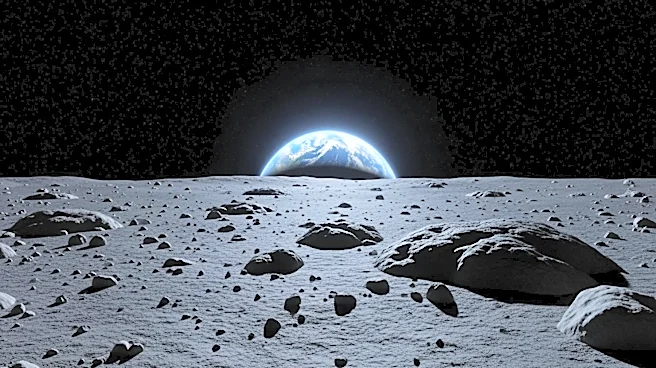
NASA's Artemis II mission has captured a stunning image of Earth setting behind the Moon, known as Earthset, drawing comparisons to the iconic Earthrise photo from the Apollo 8 mission in 1968. The new image, taken during a lunar flyby, showcases Earth at
night with enhanced daylight effects, including visible auroras and a crescent of sunlight. The Earthrise image from 1968 was a pivotal moment in space photography, inspiring the environmental movement and changing perceptions of Earth as a fragile oasis in space.
Why It's Important?
The Earthset photo from Artemis II highlights the advancements in space photography and the continued fascination with Earth's imagery from space. Such images have historically played a significant role in raising awareness about environmental issues and fostering a sense of global unity. The comparison with the 1968 Earthrise image underscores the enduring impact of space exploration on cultural and environmental consciousness. As climate change remains a pressing global issue, the Earthset image may serve as a reminder of the planet's fragility and the need for sustainable practices.
Beyond the Headlines
The release of the Earthset image may reignite discussions about the role of space exploration in addressing environmental challenges. The visual impact of such images can influence public opinion and policy decisions related to climate change and conservation efforts. Additionally, the technological advancements in capturing and processing space imagery reflect the progress in scientific research and exploration capabilities. The continued exploration of space and the production of iconic images may inspire future generations to prioritize environmental stewardship and innovation.