




What's Happening?
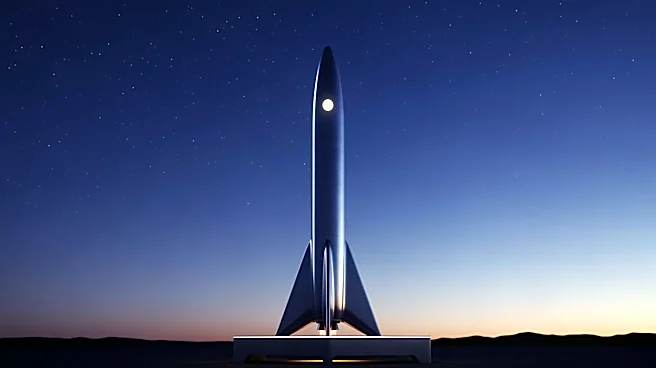
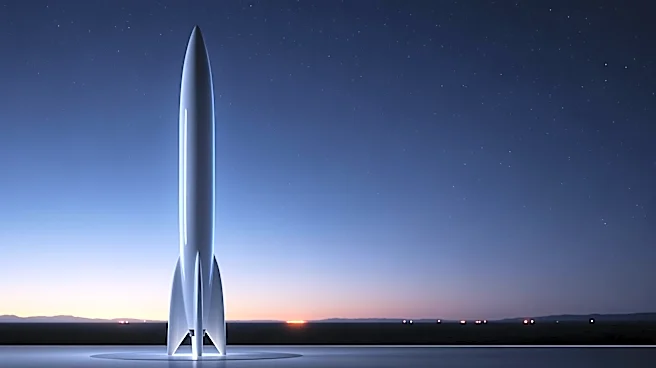
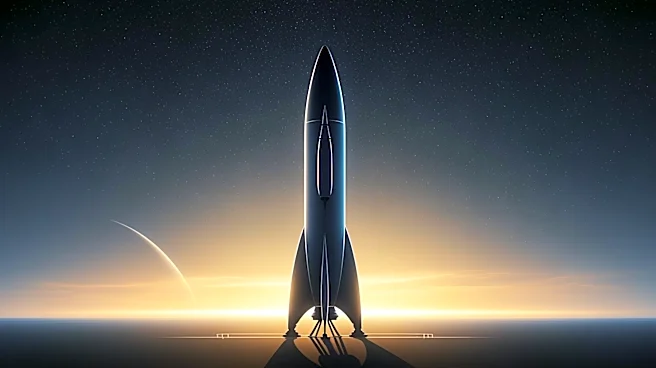
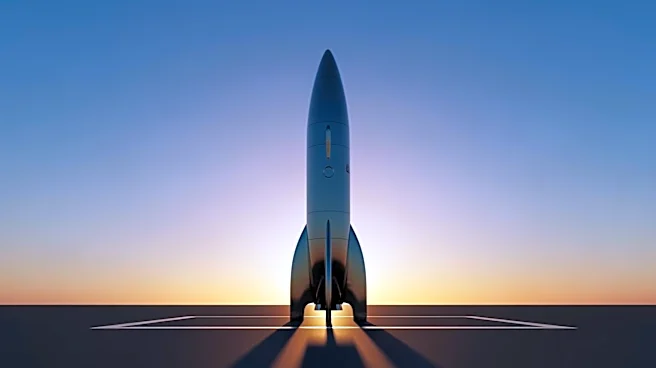
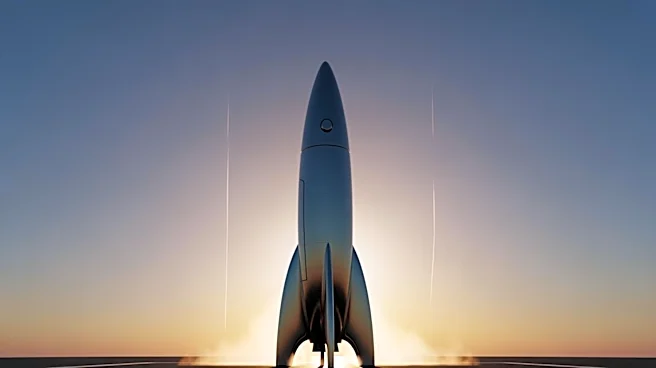
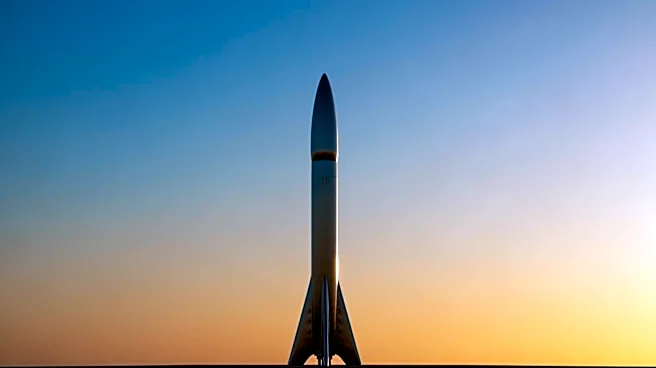
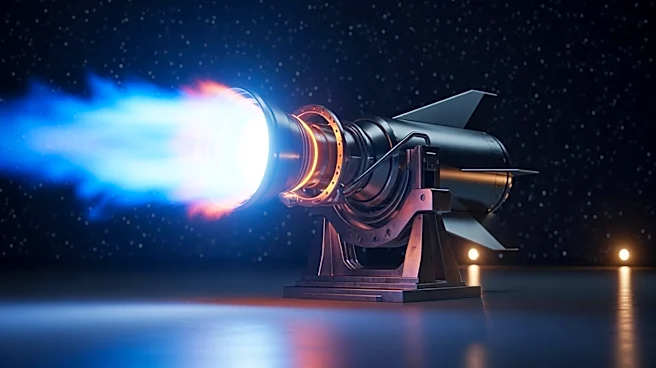
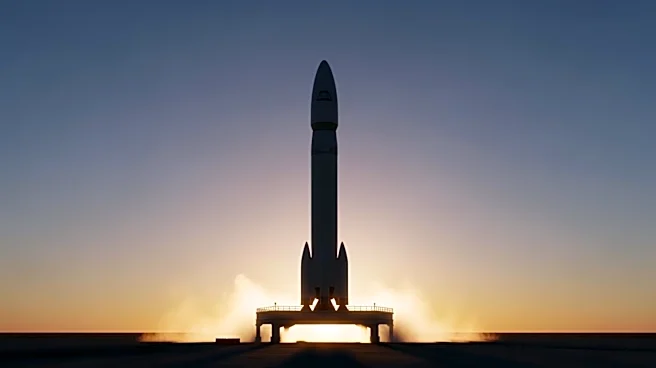
SpaceX is on the verge of launching its Starship V3 from South Texas on May 19, 2026. This launch will feature the new Raptor 3 engines, which are touted as the most advanced rocket engines ever built. The Starship V3 stands at 408 feet, making it the tallest
rocket in history. The primary objective of this test flight is to demonstrate in-orbit refueling, a critical capability for future missions to the Moon and Mars. The launch will take place from a newly constructed facility at SpaceX's Starbase, marking a significant step forward in the company's space exploration efforts.
Why It's Important?
The success of the Starship V3 launch is crucial for the future of space exploration. The ability to refuel in orbit is essential for long-duration missions, allowing spacecraft to carry more payload and travel further. This capability is particularly important for NASA's Artemis program, which aims to return humans to the Moon and eventually send them to Mars. The Raptor 3 engines represent a significant advancement in rocket technology, offering increased efficiency and reliability. A successful launch would validate SpaceX's approach to rapid development and testing, potentially accelerating the timeline for human exploration of the Moon and Mars.
What's Next?
Following the launch, SpaceX will assess the performance of the Starship V3 and its Raptor 3 engines. If successful, the company will continue to refine the design and conduct further tests to ensure its readiness for crewed missions. The outcome of this launch will also influence NASA's plans for the Artemis program, as the agency relies on commercial partners like SpaceX to develop the technology needed for lunar and Mars missions. The world will be watching to see if SpaceX can achieve its ambitious goals and pave the way for a new era of space exploration.