





What's Happening?
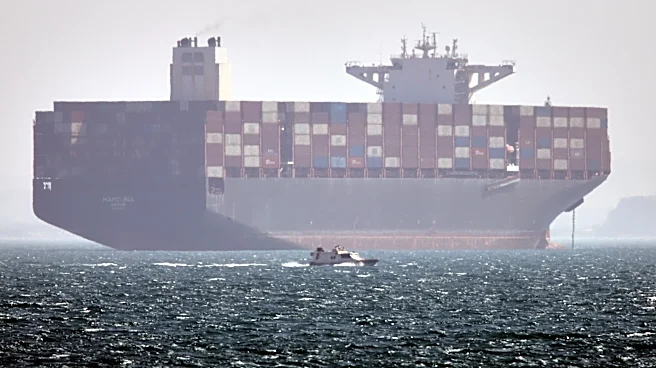
President Trump is expected to make a decision regarding an agreement with Iran that could potentially extend a ceasefire between the U.S. and Iran. This decision is also significant as it may lead to the opening of the Strait of Hormuz, a crucial maritime
passage for global oil shipments. The anticipation surrounding this decision highlights the ongoing geopolitical tensions and the strategic importance of the region. The outcome of this decision could have far-reaching implications for international relations and global energy markets.
Why It's Important?
The decision by President Trump on the U.S.-Iran agreement is critical as it could influence the stability of the Middle East region. The Strait of Hormuz is a vital channel for oil transportation, and its opening could ease tensions and stabilize oil prices, benefiting global markets. Conversely, a failure to reach an agreement could exacerbate tensions, potentially leading to disruptions in oil supply and increased geopolitical instability. This decision is closely watched by international stakeholders, including governments and energy companies, due to its potential impact on global economic and security dynamics.
What's Next?
Following President Trump's decision, there may be diplomatic responses from Iran and other countries involved in the region. If the agreement is extended, it could pave the way for further negotiations and potential easing of sanctions. However, if the decision leads to increased tensions, there could be a need for international mediation to prevent escalation. The U.S. administration may also face domestic political reactions depending on the outcome, influencing future foreign policy directions.