




What's Happening?
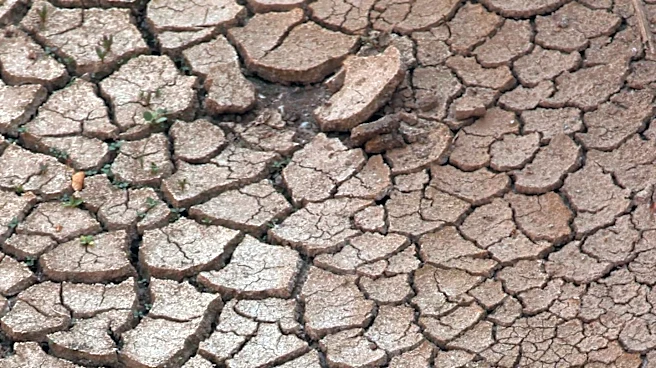
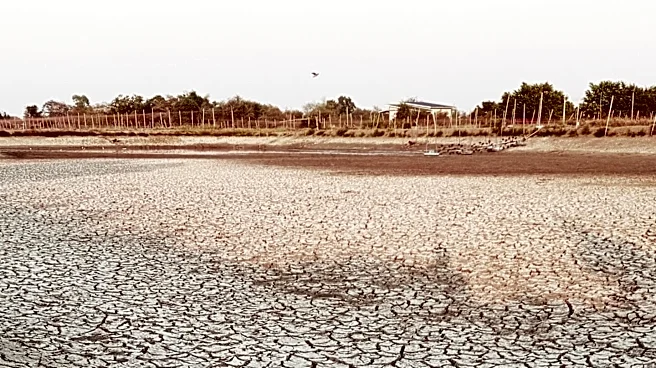
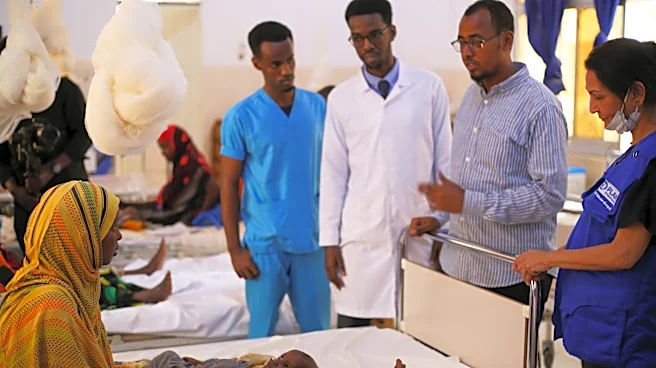
In Somalia, prolonged drought conditions have forced millions of people to flee their homes and seek refuge in displacement camps. The city of Baidoa has become a major hub for those escaping the harsh conditions, with about 1.6 million people, nearly
half of them displaced, now residing there. The drought, which has persisted for four consecutive years, has decimated crops and livestock, leaving families with little to no resources. Humanitarian organizations, including Plan International, are calling for increased international assistance as the crisis is expected to worsen with the potential development of El Nino conditions later this year. These conditions could lead to severe flooding, further exacerbating the already dire situation.
Why It's Important?
The situation in Somalia highlights the severe impact of climate change and environmental degradation on vulnerable populations. The ongoing drought and potential for flooding threaten to worsen food insecurity and malnutrition, particularly among children. The crisis underscores the urgent need for international aid and sustainable solutions to address the root causes of such humanitarian emergencies. The displacement of millions not only strains local resources but also poses significant challenges for global humanitarian efforts. The international community's response will be crucial in mitigating the impact and preventing further deterioration of living conditions for those affected.
What's Next?
As the situation develops, humanitarian organizations and the Somali government are likely to intensify their calls for international support. The potential onset of El Nino conditions could lead to increased flooding, necessitating further emergency response efforts. Aid agencies may need to adapt their strategies to address both immediate needs and long-term recovery plans. The international community's engagement will be critical in providing the necessary resources and support to prevent a full-scale humanitarian disaster.