






What's Happening?
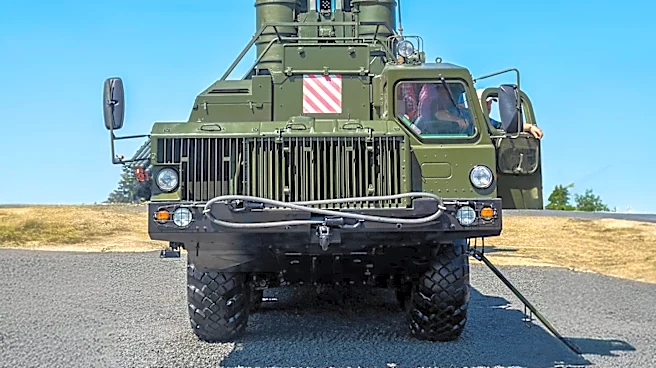
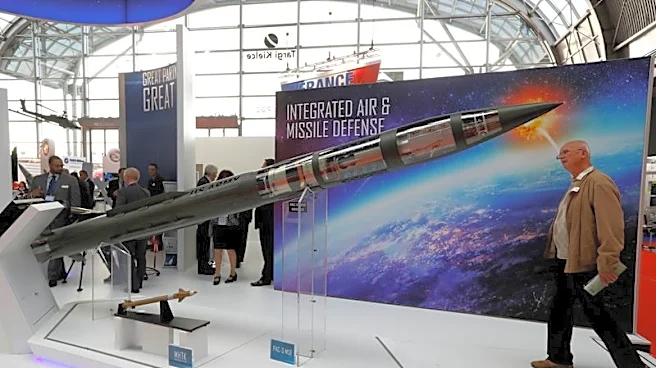
The U.S. Air Force is actively seeking a new air defense missile system to protect its installations from threats posed by cruise missiles and drones. This initiative is outlined in a Request for Information (RFI) aimed at identifying industry partners
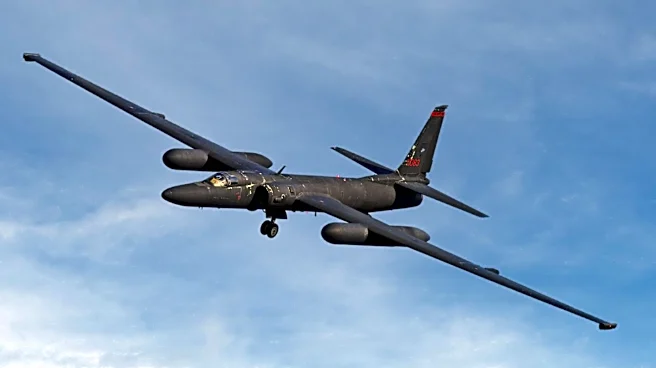
capable of providing a Ground-Based Launcher solution. The system is expected to intercept a range of threats, from small kamikaze drones to large UAVs like the Global Hawk. The urgency of this request is underscored by recent attacks on U.S. and allied military bases in the Middle East, where Iranian drones and missiles have caused significant damage, including the destruction of a U.S. E-3 Sentry AWACS and damage to multiple KC-135 tankers. The Air Force is looking for a self-contained, easily transportable system with integrated sensing capabilities and a laser illuminator for fire control.
Why It's Important?
The development and deployment of a new air defense system are crucial for enhancing the security of U.S. military bases, particularly in regions prone to drone and missile attacks. The current reliance on the Army for airfield defense has been criticized, highlighting the need for the Air Force to bolster its own capabilities. A robust defense system would not only protect valuable assets but also ensure operational readiness and safety for personnel stationed at these bases. The ability to counter a wide range of aerial threats is increasingly important as adversaries continue to develop and deploy advanced drone and missile technologies. This initiative could lead to significant advancements in air defense technology and strengthen the U.S. military's strategic position globally.
What's Next?
The Air Force's RFI has set a response deadline of August 6, indicating a swift timeline for identifying potential industry partners. Once partners are selected, the development and testing phases will likely follow, with the goal of deploying the new system as soon as possible. The Air Force may also engage in further collaboration with other branches of the military to integrate the new system into existing defense frameworks. Additionally, there may be increased scrutiny and debate over defense spending and resource allocation as the Air Force seeks to enhance its air defense capabilities independently.