






What's Happening?
An outbreak of Legionnaires' disease is currently affecting the Upper East Side, with dozens of confirmed cases reported. According to CBS News, 22 individuals have been hospitalized due to the outbreak. Legionnaires' disease is a severe form of pneumonia
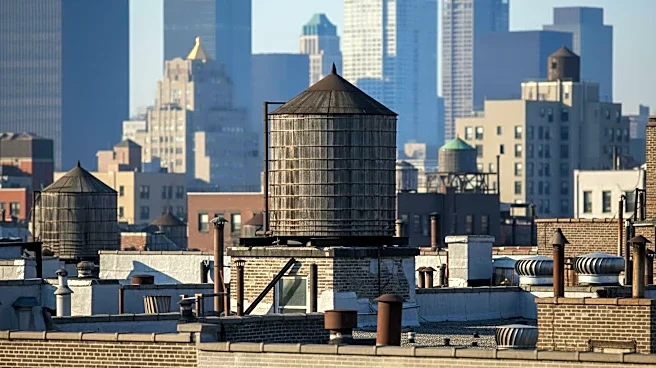
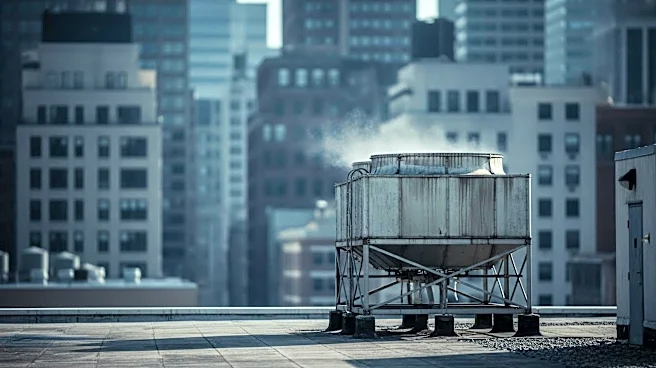
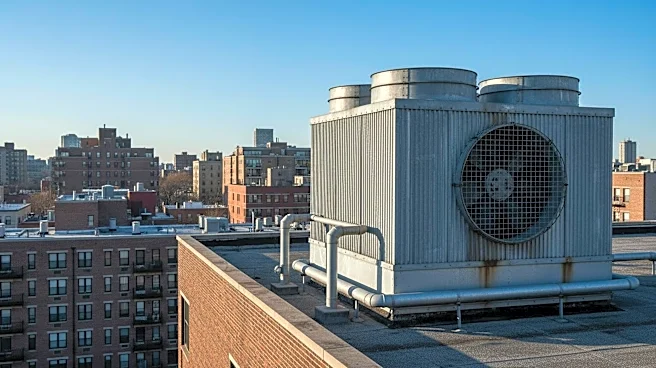
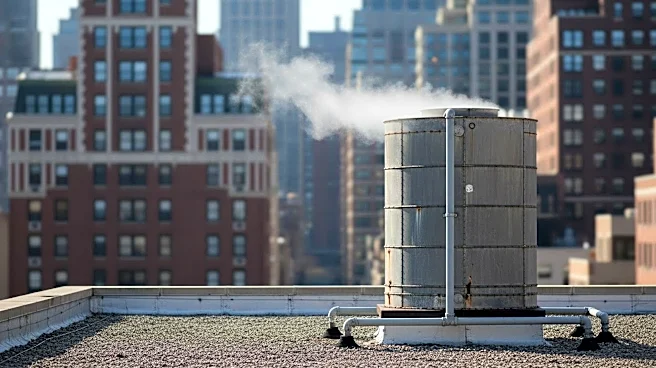
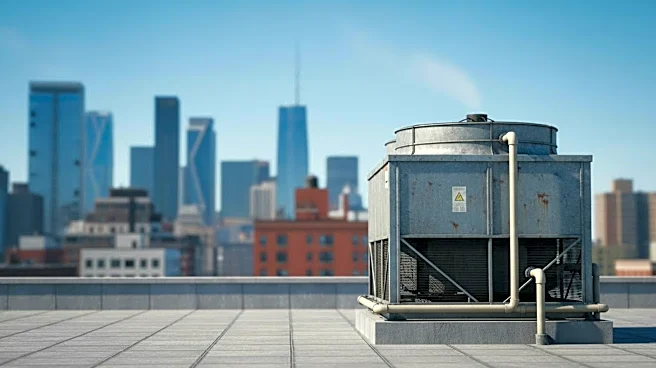
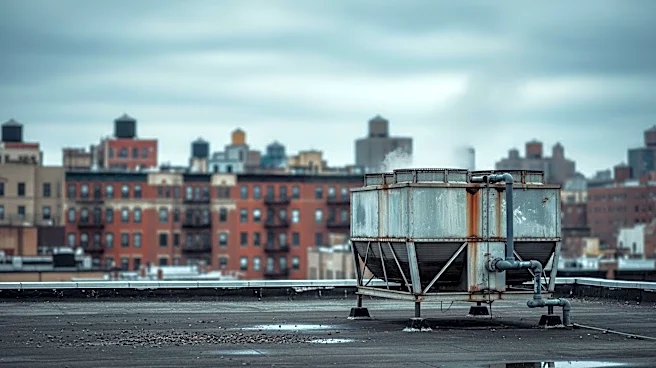
caused by the Legionella bacteria, which can be found in water systems such as cooling towers, hot tubs, and large plumbing systems. The disease is not spread from person to person but through inhalation of contaminated water droplets. Health officials are actively investigating the source of the outbreak and are working to contain its spread.
Why It's Important?
The outbreak of Legionnaires' disease on the Upper East Side is significant due to its potential impact on public health and safety. With 22 hospitalizations, the situation underscores the importance of maintaining and monitoring water systems to prevent such outbreaks. The disease can be particularly dangerous for older adults, smokers, and individuals with weakened immune systems. The outbreak highlights the need for public awareness and prompt action by health authorities to identify and mitigate sources of contamination. It also raises concerns about the infrastructure and maintenance of water systems in urban areas.
What's Next?
Health officials are expected to continue their investigation to pinpoint the exact source of the Legionella bacteria. They may implement measures such as testing and disinfecting water systems in the affected area. Public health advisories and updates will likely be issued to inform residents about safety precautions and symptoms to watch for. The situation may prompt a review of water system regulations and maintenance practices to prevent future outbreaks. Community meetings or public forums could be organized to address residents' concerns and provide information on preventive measures.