

What's Happening?
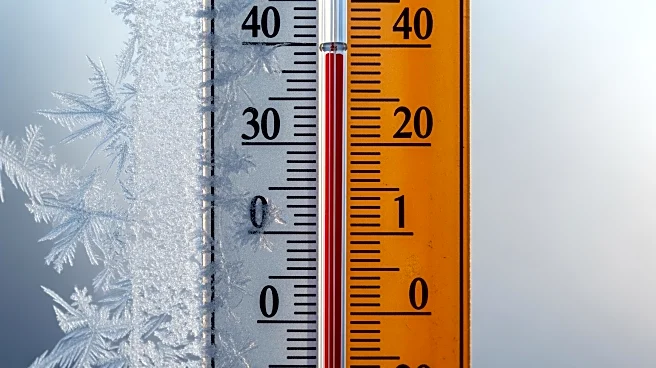
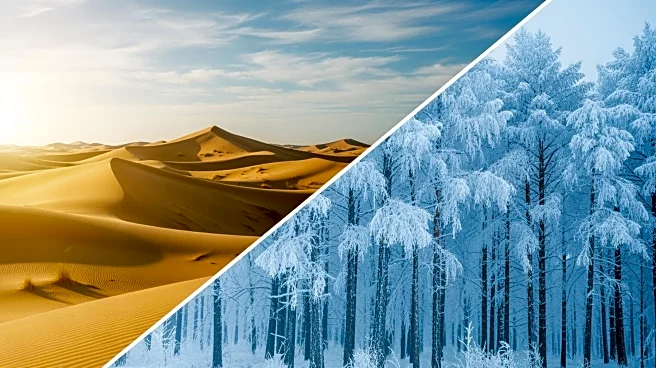
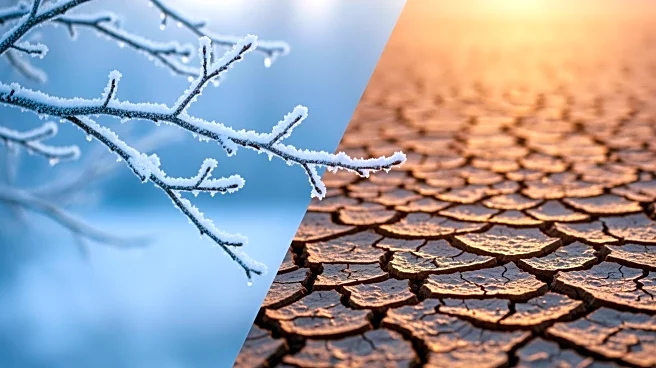
The United States has experienced a winter marked by a stark contrast between record warmth in the West and frigid cold in the East. This unusual pattern has resulted in the second-warmest winter on record for the contiguous U.S., according to preliminary
data. While the Western states, including cities like Salt Lake City and Phoenix, recorded their warmest winters, the Eastern states faced severe cold and snow. Meteorologist Jonathan Martin from the University of Wisconsin-Madison noted that the cold pool, a key indicator of winter temperatures, was the smallest on record, highlighting the effects of climate change.
Why It's Important?
This winter's temperature extremes underscore the ongoing impact of climate change on weather patterns. The shrinking cold pool and record warmth in the West suggest a trend towards milder winters, which could have significant implications for water resources, agriculture, and wildfire risks. The disparity between the East and West also highlights the challenges in preparing for and adapting to climate variability. As winters continue to warm, regions may face increased pressure to develop strategies for managing water scarcity and mitigating the risk of wildfires.
What's Next?
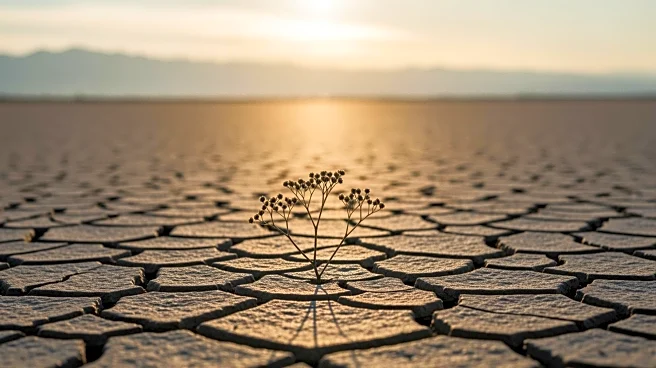
Looking ahead, the Western U.S. may face a challenging summer with potential drought and heightened wildfire risks due to the lack of snow cover. Policymakers and communities will need to consider adaptive measures to address these challenges, including water conservation efforts and enhanced fire management strategies. The ongoing monitoring of climate indicators like the cold pool will be crucial in understanding and responding to future climate trends.
Beyond the Headlines
The record-setting winter temperatures also raise questions about the long-term cultural and economic impacts of climate change. As traditional winter activities and industries face disruption, there may be shifts in tourism patterns and economic opportunities. Additionally, the changing climate could influence migration patterns as regions become more or less habitable due to temperature extremes.