



What's Happening?
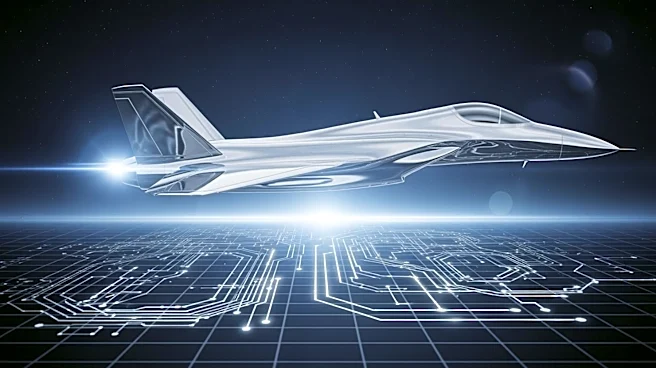
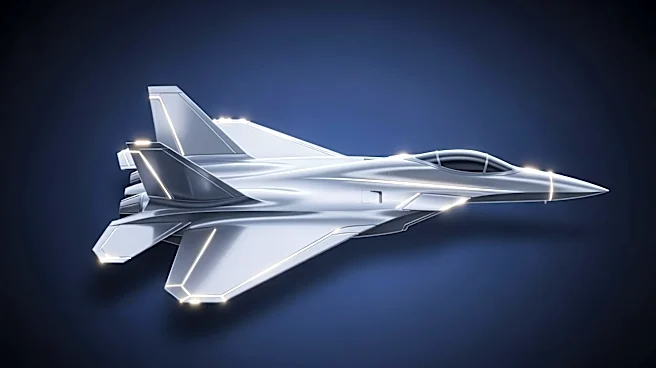
The Global Combat Air Programme (GCAP), a collaborative effort between Italy, Japan, and the UK, has secured a significant contract valued at £686 million ($904 million) to advance the development of a sixth-generation combat aircraft. The contract, awarded
to Edgewing, a joint venture involving BAE Systems, Leonardo, and Japan Aircraft Industrial Enhancement, marks a pivotal step in the program's progression. Announced on April 2, the contract will fund key design and engineering activities, enabling the trilateral partnership to accelerate the pace of delivery. The GCAP aims to have the aircraft ready for operational use by 2035. This contract represents a shift from previous activities funded by individual nations to a fully integrated international program, as noted by GCAP Agency chief executive Masami Oka. Edgewing, established in June 2025, is now positioned as the industrial lead to drive the program forward.
Why It's Important?
The advancement of the GCAP is significant for the defense sectors of Italy, Japan, and the UK, as it represents a major step in developing next-generation military capabilities. The sixth-generation fighter is expected to enhance the strategic defense posture of these nations, providing advanced technological capabilities and strengthening their military alliances. The contract's international nature underscores the importance of collaborative defense initiatives in addressing modern security challenges. For the defense industry, this development could lead to increased innovation and technological advancements, potentially influencing global defense markets. The program's success could also set a precedent for future international defense collaborations, highlighting the benefits of shared resources and expertise.
What's Next?
With the contract in place, Edgewing and the GCAP Agency will focus on meeting planned milestones and ramping up operations according to projections. The program will continue to develop the aircraft's design and engineering aspects, with work funded until June 30, 2026. As the project progresses, stakeholders will likely monitor its impact on defense strategies and international relations. The successful development and deployment of the sixth-generation fighter could influence defense policies and procurement strategies in other nations, potentially leading to further collaborations or competitive responses in the global defense industry.