




What's Happening?
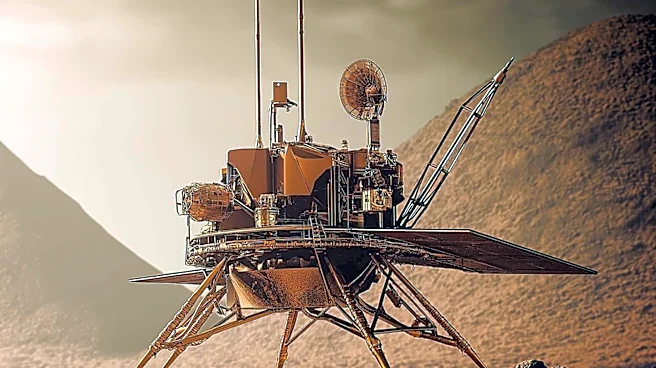
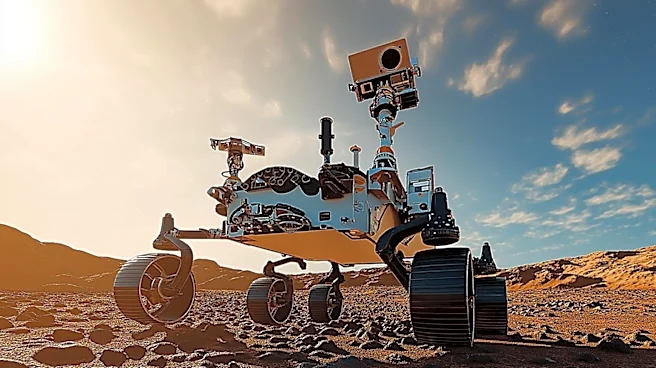
NASA's Curiosity rover, which has been exploring Mars for 14 years, is showing signs of aging, particularly with its wheels exhibiting extensive wear. The harsh Martian terrain, characterized by sharp rocks and uneven surfaces, has significantly damaged
the rover's aluminum wheels. Despite these challenges, engineers have adjusted driving strategies to minimize further damage, allowing Curiosity to continue its mission. The rover, powered by a radioisotope generator system, has been instrumental in transforming scientists' understanding of Mars, particularly by discovering evidence that Gale Crater once had conditions suitable for microbial life. The rover's condition is monitored using multiple cameras and scientific instruments, including the Mars Hand Lens Imager (MAHLI), which recently captured images of the damaged wheels.
Why It's Important?
The continued operation of the Curiosity rover is crucial for ongoing Mars exploration and research. Its findings have provided significant insights into the planet's history and potential for past life, which are vital for future missions and the broader understanding of Mars. The wear and tear on the rover highlight the challenges of long-term robotic exploration in harsh environments, emphasizing the need for durable engineering solutions. The data collected by Curiosity supports NASA's broader goals of understanding Mars' geology and climate, which are essential for planning future manned missions to the planet. The rover's ability to continue functioning despite its aging components demonstrates the resilience and adaptability of NASA's engineering and mission planning.