


What's Happening?
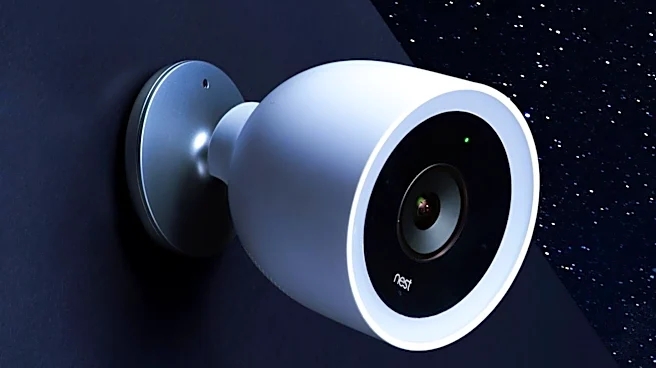
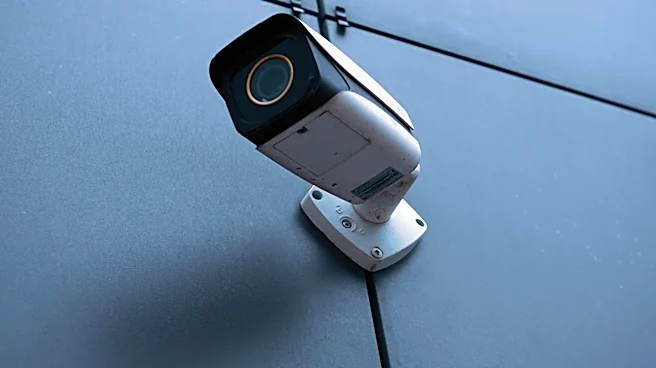
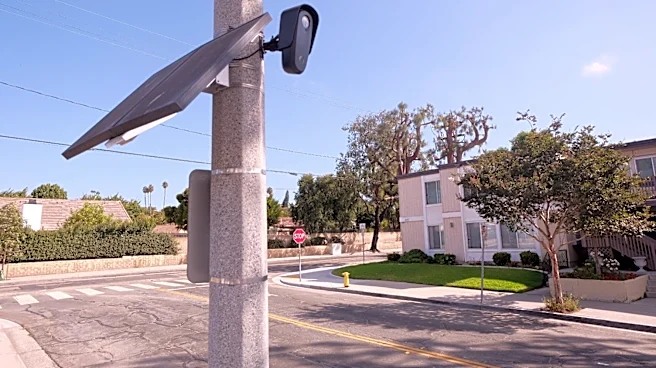
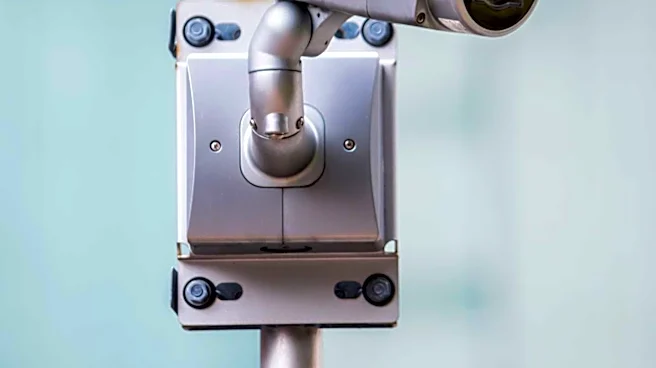
In Winona, Minnesota, the local police department is investigating the theft of eight Flock license plate reader cameras. These AI-powered devices, which record vehicle license plates and characteristics, were discovered missing after an officer noticed
a lack of new activity logs on August 1. The poles holding the cameras were found cut down, with the cameras themselves missing. The thefts are believed to have occurred between July 29 and August 1. Replacing the cameras and poles is estimated to cost $3,000 per site, excluding service fees. This incident is part of a broader backlash against Flock's surveillance technology, which has faced criticism for privacy concerns. Similar incidents of vandalism and theft have been reported in other Minnesota cities and across the country.
Why It's Important?
The theft of Flock cameras in Winona highlights growing public resistance to surveillance technologies perceived as invasive. Critics argue that such systems contribute to an 'unhealthy surveillance state,' raising constitutional concerns. The backlash is not isolated to Winona; cities nationwide are reevaluating their use of Flock cameras. For instance, the Los Angeles Police Department recently ended its contract with Flock after an audit revealed a significant error rate in flagging vehicles as stolen. This trend reflects a broader societal debate over privacy rights versus security needs, with potential implications for law enforcement practices and public policy.
What's Next?
The Winona Police Department is seeking public assistance in identifying those responsible for the thefts. Meanwhile, the broader debate over surveillance technology is likely to continue, with potential legal and policy ramifications. Cities may reconsider their contracts with Flock, influenced by public opinion and privacy advocacy. The outcome of ongoing legal cases, such as that of Jeffrey Scott Sovern, who is charged with vandalizing Flock cameras, could also impact future use and regulation of such technologies.
Beyond the Headlines
The controversy surrounding Flock cameras underscores a deeper societal tension between technological advancement and civil liberties. As surveillance technologies become more sophisticated, the ethical implications of their use become increasingly complex. The debate touches on issues of trust in law enforcement, the balance of power between state and citizen, and the evolving definition of privacy in the digital age. These discussions may lead to new legal frameworks and societal norms regarding surveillance and data privacy.