








What's Happening?
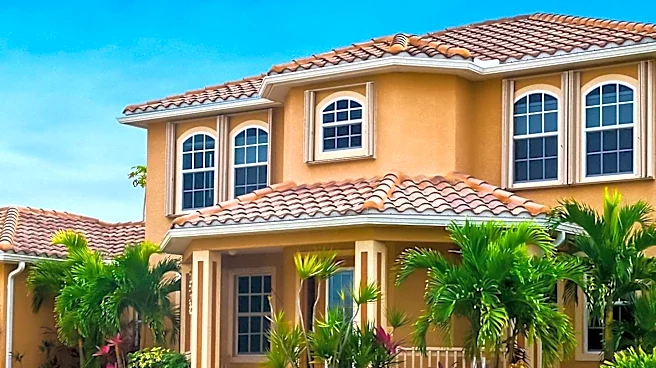
Insurance companies in Florida have adjusted their policies to require roof replacements when roofs reach 15 years of age, rather than the previous standard of 20 years. This change primarily affects asphalt or composition shingle roofs, which are considered
more vulnerable to Florida's harsh weather conditions. Metal roofs, however, are viewed more favorably and can be insured for up to 40 years. The shift has led to increased costs for homeowners, who are now pressured to replace their roofs sooner to maintain insurance coverage and avoid higher premiums. Homeowners like Kelly Hagen from Vero Beach are experiencing difficulties in finding affordable insurance due to the age of their roofs. Despite these challenges, state leaders and insurance experts suggest that the market for homeowners insurance is improving as new companies enter the state and rates begin to decline.
Why It's Important?
This policy change by insurance companies in Florida has significant financial implications for homeowners, who may face increased costs due to the need for earlier roof replacements. The decision reflects broader trends in the insurance industry, where companies are adjusting policies in response to increased risks from severe weather events. This move could lead to higher out-of-pocket expenses for homeowners and may influence the real estate market as potential buyers consider the additional costs of maintaining insurance coverage. The change also highlights the ongoing challenges in the insurance sector, where companies must balance risk management with customer affordability.
What's Next?
Homeowners in Florida may need to explore alternative insurance options or consider investing in more durable roofing materials to mitigate future costs. The insurance industry might continue to evolve its policies in response to climate change and increased weather-related risks. Additionally, there could be legislative or regulatory responses aimed at protecting consumers from sudden policy changes that lead to financial strain. Stakeholders, including insurance companies, homeowners, and policymakers, will need to engage in discussions to find sustainable solutions that address both risk management and consumer protection.