





What's Happening?
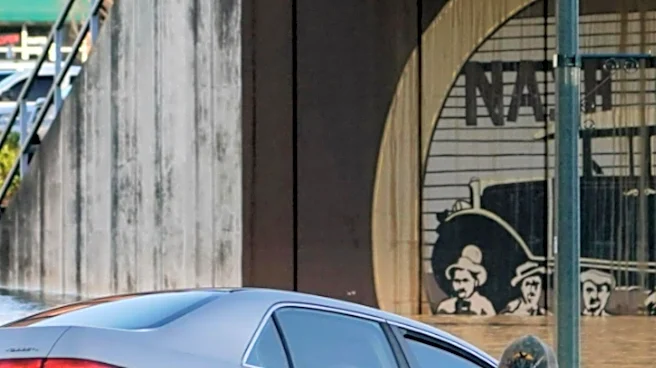
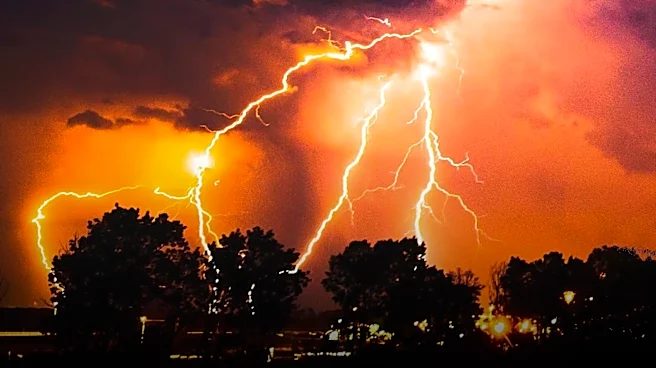
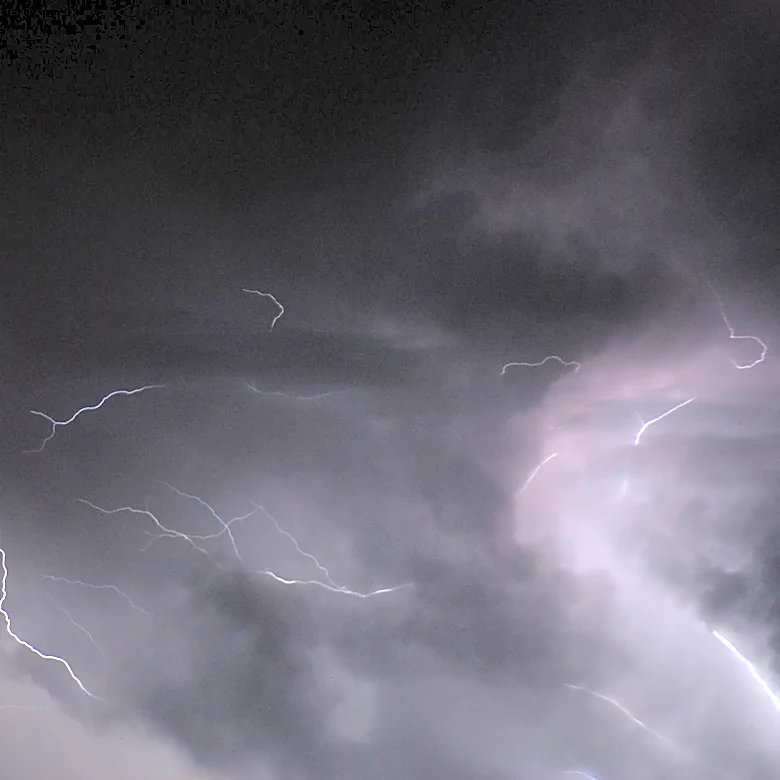
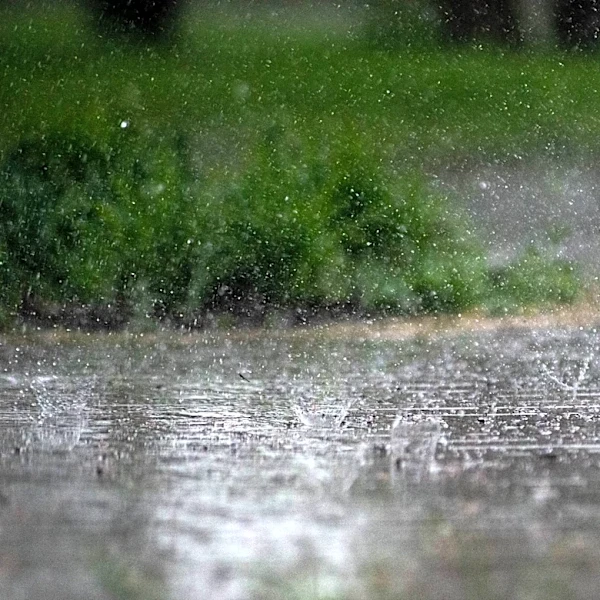
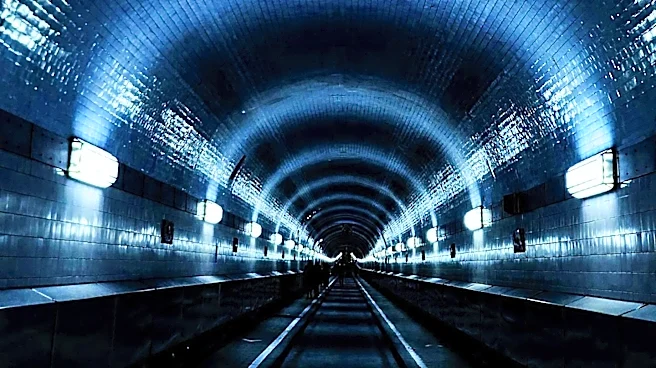
The Thornton Reservoir in the Chicago area is nearly full following a series of heavy storms over the weekend. The reservoir, which is the largest combined sewer reservoir in the world, reached 94% capacity as it collected runoff from the severe weather.
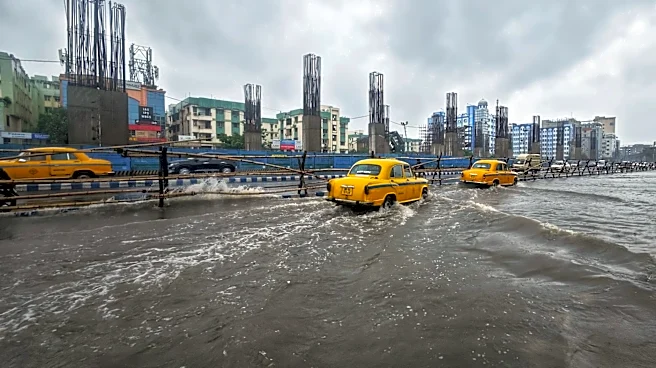
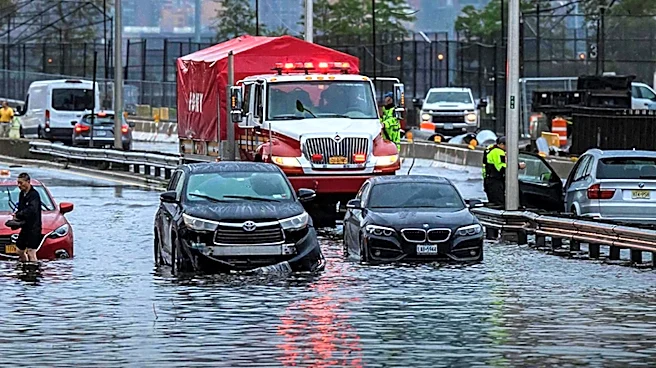
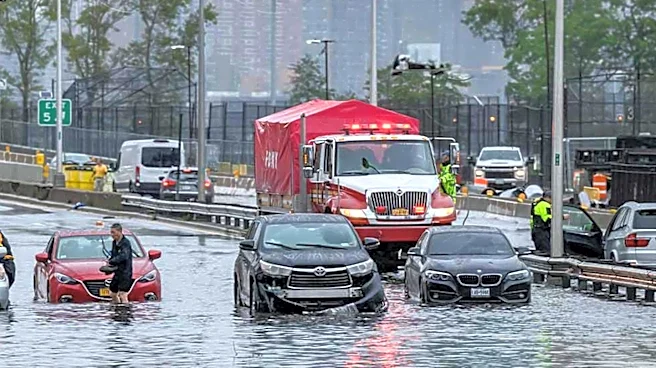
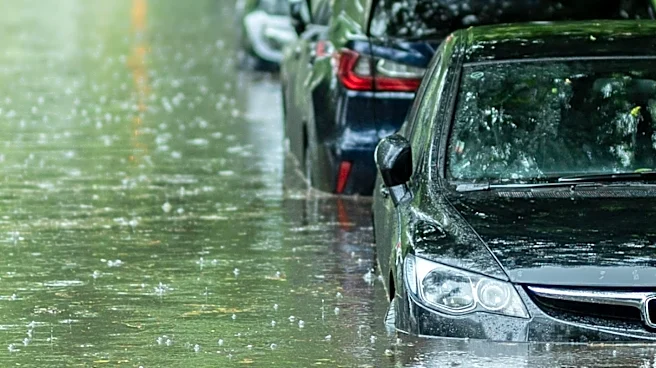
The storms caused significant flooding in several communities, leading to property damage and disruptions. Local authorities are working to manage the water levels and prevent further flooding, while residents deal with the aftermath of the storms.
Why It's Important?
The near-capacity status of the Thornton Reservoir highlights the challenges faced by urban areas in managing stormwater and preventing flooding. The situation underscores the importance of maintaining and upgrading infrastructure to handle extreme weather events, which are becoming more frequent due to climate change. The flooding has economic implications, as it can lead to costly repairs and impact local businesses. It also raises concerns about the adequacy of current flood management systems and the need for investment in more resilient infrastructure.
What's Next?
Efforts are underway to manage the water levels in the Thornton Reservoir and prevent further flooding. Authorities are monitoring the situation closely and may implement additional measures to protect vulnerable areas. In the long term, there may be discussions on improving stormwater management systems and investing in infrastructure upgrades to better handle future weather events. Residents are advised to stay informed and take precautions to protect their property from potential flooding.