




What's Happening?
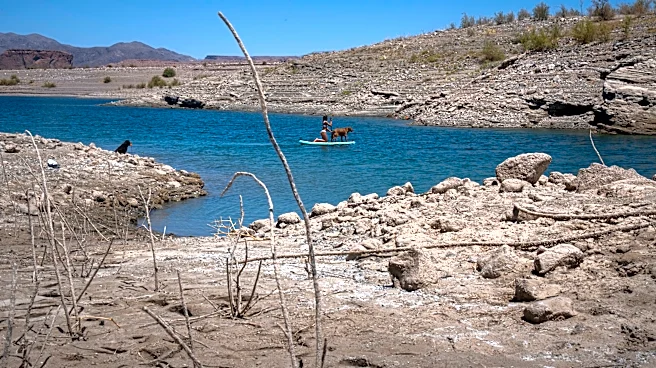
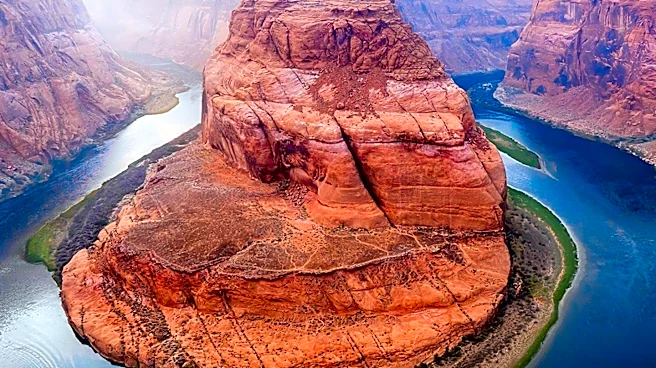
The Trump administration has released a plan to manage the Colorado River, affecting water distribution among seven U.S. states. The plan requires Arizona, California, and Nevada to reduce water usage by up to 3 million acre-feet, while Utah and other
Upper Basin states are spared from mandatory cuts. The proposal aims to address the river's declining water levels due to overuse and climate change. It includes conservation targets and encourages states to develop their own management agreements.
Why It's Important?
The Colorado River is a critical water source for millions of people and industries across the western United States. The new management plan seeks to balance water distribution amid decreasing supply, impacting agricultural, municipal, and industrial stakeholders. Utah's exemption from mandatory cuts provides temporary relief but underscores the need for long-term sustainable water management solutions. The plan's implementation could influence future negotiations and legal disputes over water rights in the region.
What's Next?
The plan sets the stage for continued negotiations among the states to reach a long-term agreement. Utah leaders have expressed readiness to defend their water rights, and discussions may involve innovative solutions like desalination projects. The proposal's success will depend on collaborative efforts to address the river's challenges and ensure equitable water distribution.