






What's Happening?
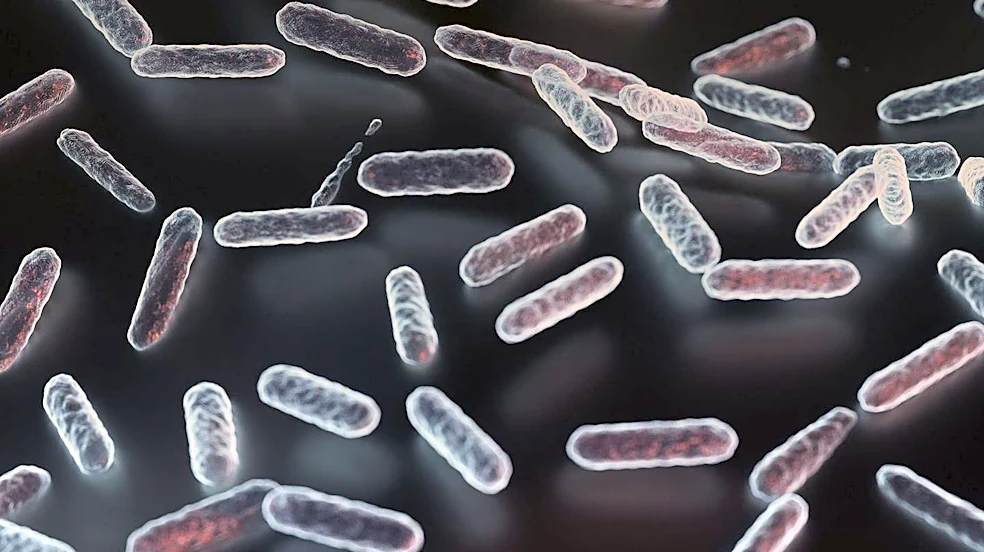
Recent discussions in gut health science are highlighting postbiotics, which are functional compounds produced by beneficial bacteria (probiotics) as they consume prebiotic fibers. Unlike probiotics, which are live bacteria, postbiotics are non-viable
bacterial products or metabolites, including short-chain fatty acids (SCFAs) like butyrate, acetate, and propionate, as well as enzymes, vitamins, peptides, and cell wall components. This distinction is crucial because postbiotics are more stable and do not need to survive the harsh digestive environment to exert health benefits. They are gaining attention as a direct way to deliver beneficial metabolites, bypassing the need for live bacteria to ferment inside the body. While probiotics introduce live beneficial bacteria, and prebiotics feed them, postbiotics are the beneficial 'exhaust' of this process. The production of postbiotics occurs naturally in the gut when dietary fiber is fermented by probiotic bacteria, primarily producing SCFAs that act as signaling molecules with widespread effects.
Why It's Important?
The emergence of postbiotic supplements offers a new avenue for individuals seeking to improve gut health, particularly those who may not tolerate live probiotics due to compromised immune systems or specific gut issues. Postbiotics, especially SCFAs, play a vital role in maintaining the integrity of the gut lining, preventing conditions like 'leaky gut,' and supporting immune function. They also exhibit anti-inflammatory effects, which are crucial given the link between chronic low-grade inflammation and various chronic diseases. Furthermore, some postbiotics may influence blood sugar regulation and weight management, offering potential benefits for metabolic health. This development provides a more stable and targeted approach to delivering gut-beneficial compounds, potentially expanding options for personalized gut health strategies and reducing reliance on live bacterial supplements that can be sensitive to digestion and storage conditions.
What's Next?
The field of postbiotic research is still evolving, with ongoing studies exploring their long-term effects and optimal applications. Consumers can expect to see a continued increase in the availability of postbiotic supplements, including various forms like butyrate supplements, heat-killed probiotics, and bacterial lysates. The focus will likely shift towards more targeted formulations designed to address specific health goals, such as gut barrier support or immune modulation. For individuals, the emphasis will be on making informed choices, prioritizing products with third-party testing and transparent labeling. Healthcare providers may increasingly incorporate postbiotic recommendations into personalized health plans, especially for those with specific digestive or immune challenges. The integration of microbiome testing will also become more prevalent, allowing for a tailored approach to postbiotic supplementation based on an individual's unique gut profile.
Beyond the Headlines
The rise of postbiotics signifies a deeper understanding of the complex interplay within the gut microbiome and its systemic impact on health. This shift from solely focusing on live bacteria to recognizing the importance of their metabolic byproducts highlights a more nuanced approach to gut health. Ethically, the stability and non-viable nature of postbiotics make them a safer option for vulnerable populations, such as immunocompromised individuals, who might face risks from live probiotic consumption. Culturally, this trend reinforces the growing public awareness of gut health as a cornerstone of overall well-being, moving beyond simplistic 'good bacteria' narratives to a more sophisticated appreciation of microbial biochemistry. The challenge lies in ensuring that marketing claims are backed by robust scientific evidence, preventing consumer confusion, and promoting a balanced approach that still emphasizes the foundational role of a fiber-rich diet and fermented foods in naturally fostering postbiotic production.