







What's Happening?
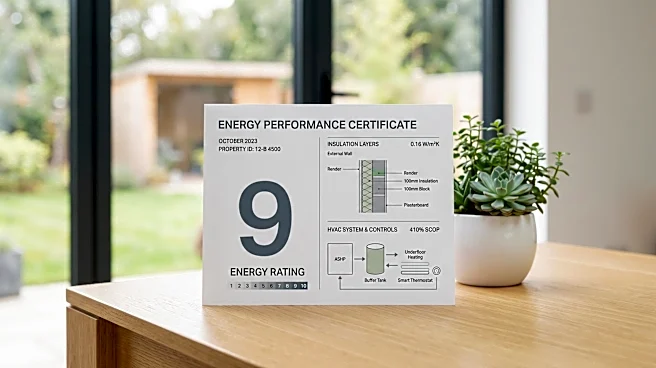
The Eugene City Council has adopted a new policy requiring homeowners to disclose their home's energy score when selling their property. Passed in a 6-1 vote, the policy mandates that sellers hire a certified assessor to evaluate their home's energy performance,
with the resulting score, ranging from 1 (least efficient) to 10 (most efficient), to be included in all real estate listings. This assessment, which is expected to cost between $150 and $250, will cover physical and mechanical features such as insulation, windows, and heating/cooling systems. The policy is set to take effect on April 28, 2027. The city plans to contract with Earth Advantage to train additional assessors to meet the anticipated demand. This initiative aligns with Eugene's broader climate goal of reducing community emissions by half by 2030, building on an 11% reduction observed between 2010 and 2025.
Why It's Important?
This policy is a significant step for Eugene in addressing its climate and energy efficiency goals, particularly concerning its existing housing stock, where approximately 65% of residential units were built before 1990 and often lack modern insulation and efficient systems. By requiring energy score disclosure, the city aims to better inform homebuyers about potential energy costs and encourage energy-efficient home improvements. This could lead to a gradual increase in the energy efficiency of homes over time, reducing utility bills for residents and lowering greenhouse gas emissions. While proponents argue it's a common-sense measure with little impact on the selling process or price, some real estate professionals and Councilor Mike Clark express concerns about adding another cost to an already expensive housing market, potentially burdening sellers, especially those on fixed incomes. The policy also seeks to improve affordability and quality of life by promoting more efficient homes.
What's Next?
The city of Eugene still needs to finalize administrative rules for the policy, including enforcement penalties and the establishment of a financial assistance program for low-income sellers. This program is intended to cover the cost of energy assessments for homeowners earning up to 80% of the area median income, with an estimated annual budget of $5,000. City staff anticipate administering the program with existing resources and personnel, without the need for additional hires. The policy will officially commence on April 28, 2027. Discussions regarding funding allocations for the assistance program may be revisited during future budget processes. The success of the policy will depend on the effective implementation of these administrative details and the city's ability to mitigate concerns about added costs for sellers.
Beyond the Headlines
The Eugene home energy score policy reflects a growing trend in U.S. cities to integrate environmental sustainability into real estate transactions. This move could set a precedent for other municipalities looking to achieve climate targets through building efficiency. Beyond the immediate impact on sellers and buyers, the policy could stimulate the local green building and energy assessment industries, creating new jobs and expertise. It also raises broader questions about the role of local government in regulating private property for public good, balancing individual property rights with collective environmental goals. The emphasis on transparency in energy consumption could shift consumer behavior, making energy efficiency a more prominent factor in home valuation and purchasing decisions, potentially influencing long-term housing market dynamics and investment in sustainable home improvements.