



What's Happening?
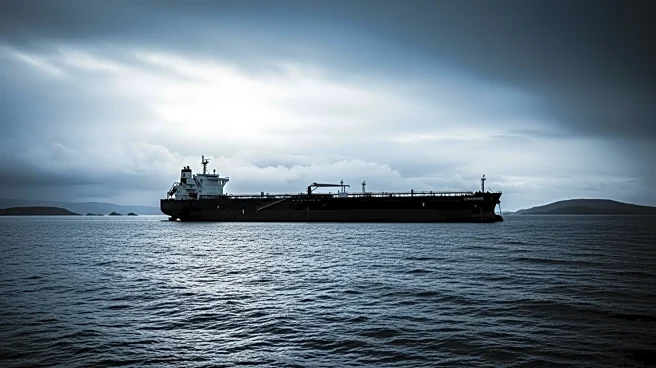
The United States has intercepted an oil tanker off the coast of Venezuela in international waters, as confirmed by U.S. Homeland Security Secretary Kristi Noem. This action follows President Trump's recent announcement of a blockade on all sanctioned
oil tankers entering and leaving Venezuela. The intercepted vessel, believed to be part of Venezuela's 'shadow fleet,' was carrying sanctioned oil intended to fund the Maduro regime, which the U.S. accuses of narco-terrorism. The Venezuelan government has condemned the interception as an act of international piracy and plans to report the incident to the United Nations Security Council. This interception is part of a broader U.S. strategy to pressure Venezuelan President Nicolas Maduro, which includes a significant military presence in the region.
Why It's Important?
The interception of the oil tanker is a significant escalation in the U.S.'s ongoing pressure campaign against Venezuela. By targeting the 'shadow fleet' of tankers, the U.S. aims to disrupt the flow of Venezuelan oil, which is a critical source of revenue for the Maduro regime. This move could further strain U.S.-Venezuela relations and impact global oil markets, particularly if the blockade leads to a sustained reduction in Venezuelan crude exports. The action also underscores the U.S.'s commitment to enforcing sanctions and combating what it perceives as narco-terrorism in the region. The situation could lead to increased tensions between the U.S. and countries that continue to engage in oil trade with Venezuela, such as China.
What's Next?
The Venezuelan government has indicated it will bring the issue to international forums, potentially escalating diplomatic tensions. The U.S. may continue to enforce its blockade, leading to further interceptions of vessels associated with Venezuela's oil trade. This could result in retaliatory measures from Venezuela or its allies. Additionally, the situation may prompt discussions within the United Nations regarding the legality and implications of such maritime actions. The global oil market may also react to these developments, particularly if the blockade significantly impacts oil supply and prices.