

What's Happening?
Researchers at MIT's Computer Science and Artificial Intelligence Laboratory (CSAIL) and Tsinghua University have developed a new AI pre-training approach called 'GeoPT' to enhance the simulation of real-world physics scenarios. This method allows AI models
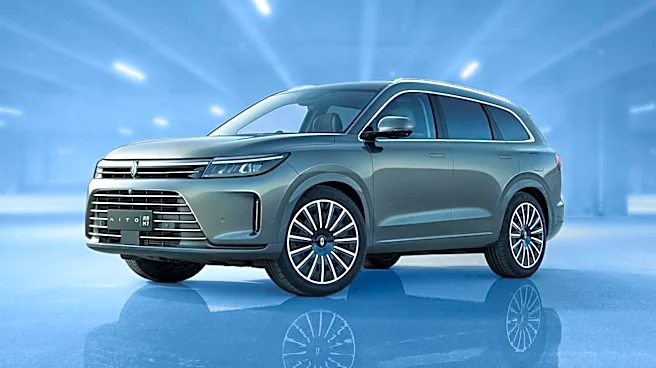
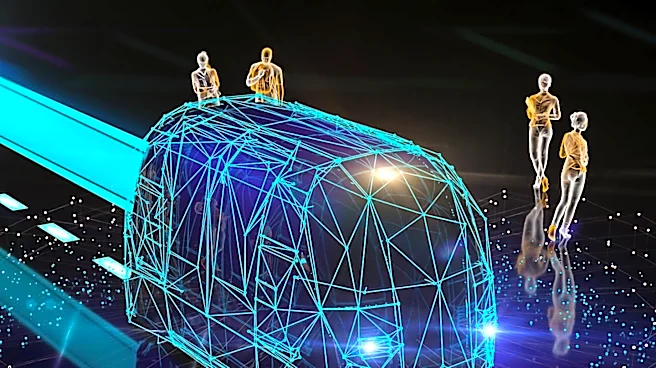
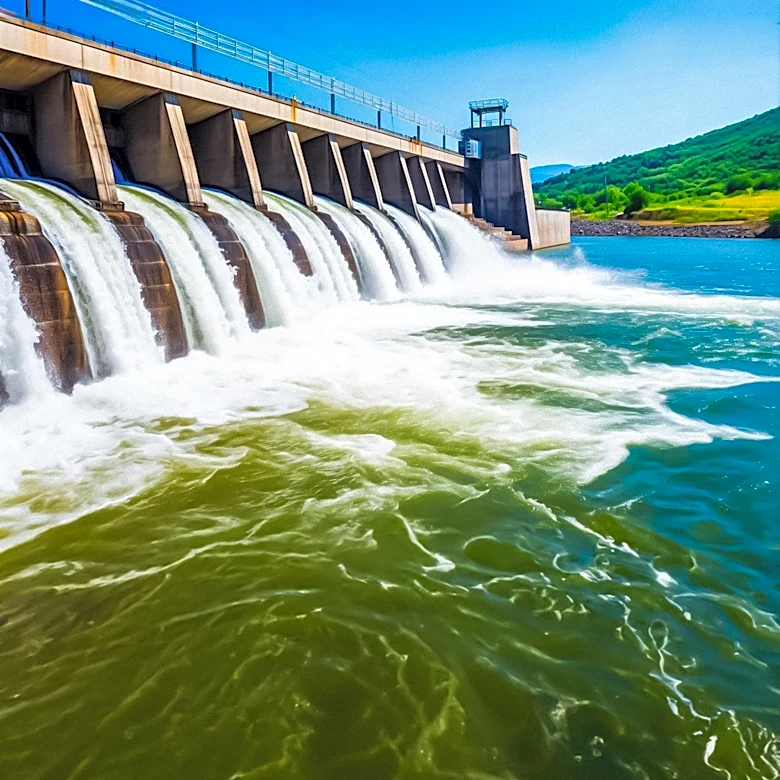
to understand and simulate physical interactions, such as how objects respond to wind and water, more efficiently and accurately. GeoPT enables models to learn physics in a broader way, reducing the data required for training by up to 60% and achieving peak performance twice as fast as leading models. This advancement could significantly improve the ability of AI to predict how vehicles, everyday items, and robots respond to various physical elements.
Why It's Important?
The development of GeoPT represents a significant advancement in AI's ability to simulate physical scenarios, which has broad implications for industries reliant on accurate modeling, such as automotive, aerospace, and robotics. By reducing the data and time required for training, this approach can accelerate the design and testing processes, leading to faster innovation and development cycles. The ability to simulate complex physical interactions accurately can also enhance safety and efficiency in product design, potentially reducing costs and improving performance across various sectors.
What's Next?
The researchers aim to scale up their system to train on more shapes and simulate more complex physical phenomena. This could include modeling weather patterns, testing different materials, and generating realistic videos. The continued development of GeoPT and similar models could lead to the creation of a comprehensive physics foundation model, further enhancing AI's ability to generalize across different tasks and applications. This progress may drive further collaboration between academia and industry to explore new applications and refine the technology.