


What's Happening?
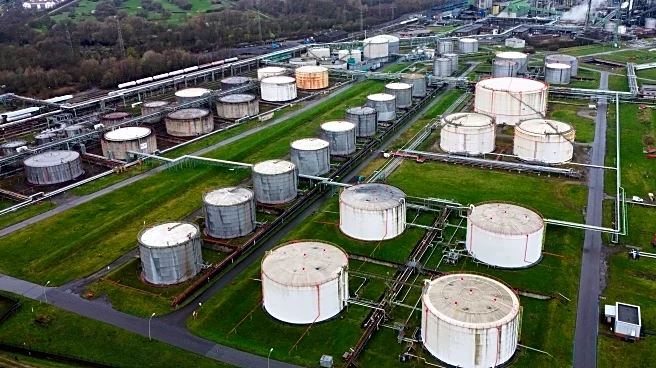
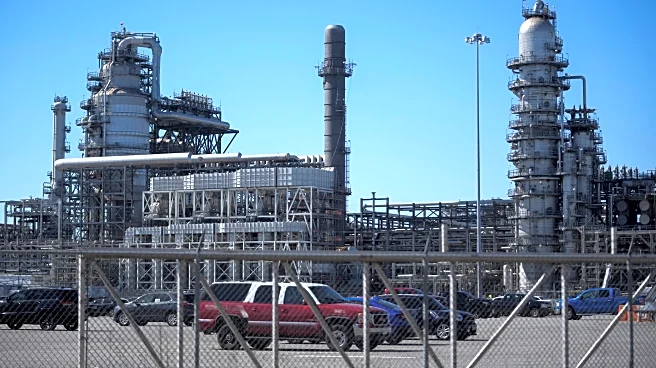
The International Energy Agency (IEA) has announced a unanimous decision by its member countries to release 400 million barrels of oil from their reserves. This move aims to mitigate the soaring energy prices caused by the ongoing conflict involving Iran.
The war has significantly disrupted oil and liquefied natural gas supplies, particularly through the Strait of Hormuz, a critical waterway for global oil transit. Since the conflict began, U.S. crude oil prices have surged by over 30%, and retail gas prices have increased by more than 50 cents per gallon. The IEA's decision represents the largest coordinated release of oil reserves in its history, involving 32 member countries, including the United States, United Kingdom, Japan, and Germany. However, the agency has not specified when the release will commence, indicating that further details will be provided in due course.
Why It's Important?
The release of oil reserves by the IEA is a significant attempt to stabilize global energy markets amid geopolitical tensions. The disruption in the Strait of Hormuz has led to a substantial shortfall in oil supply, affecting global energy prices and economic stability. The U.S. and other IEA member countries are leveraging their strategic reserves to provide temporary relief to the market. However, the effectiveness of this measure depends on the ability to ensure safe passage through the Strait of Hormuz, as the current blockade has created a significant supply gap. The decision underscores the interconnectedness of global energy markets and the potential for geopolitical conflicts to impact economic conditions worldwide. Stakeholders in the energy sector, including oil companies and consumers, are closely monitoring the situation for potential price relief.
What's Next?
The IEA has yet to outline a specific timeline for the release of the oil reserves, which means that immediate relief in energy prices may not be forthcoming. The mobilization of these reserves will require logistical coordination, and it typically takes time for the oil to reach the market. Analysts suggest that while the release could provide initial relief, it may not fully address the supply shortfall unless the blockade in the Strait of Hormuz is resolved. The situation remains fluid, with potential implications for future energy policies and international relations. The global community will be watching for any diplomatic efforts to de-escalate the conflict and restore stability to the region.