







What's Happening?
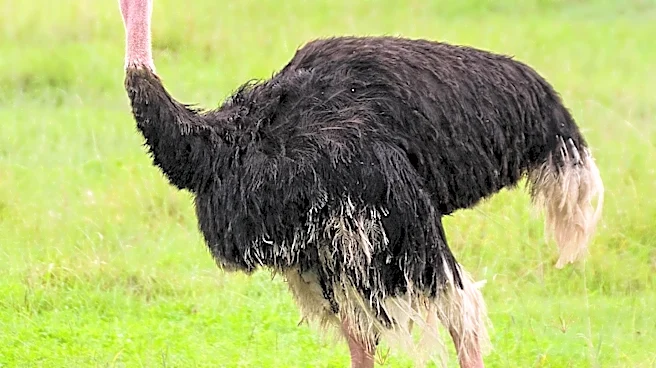
Brent Williams, a Kentucky resident suffering from alpha-gal syndrome, a severe allergy to red meat triggered by tick bites, has co-founded Alpha Roost Farms, an ostrich farm in Danville, Kentucky. Williams developed the allergy seven years ago after
a tick bite caused his immune system to react to alpha-gal sugar found in most mammal meat. This condition makes consumption of red meat, and even exposure to its fumes, life-threatening. Ostrich meat, which is red and high in iron, does not contain alpha-gal and offers a viable alternative for those with the allergy, tasting similar to beef. The farm, which currently has over 400 birds, plans to expand its herd to 700 by next year to meet growing demand. Alpha-gal syndrome, first linked to tick bites in 2011, is on the rise, with an estimated 100,000 to half a million sufferers in the U.S.
Why It's Important?
The rise of alpha-gal syndrome presents a significant challenge for individuals affected, drastically altering their dietary habits and quality of life. The emergence of specialized farms like Alpha Roost Farms highlights an innovative entrepreneurial response to a growing public health issue. This development provides a crucial dietary solution for those who can no longer consume traditional red meat, offering a sense of normalcy and satisfaction through a familiar taste and texture. The increasing demand for ostrich meat, reflected in its price point of over $20 per pound for ground meat and over $40 for choice cuts, indicates a burgeoning niche market. This trend could stimulate agricultural diversification and create new economic opportunities in regions affected by the spread of tick-borne illnesses, while also raising awareness about the broader implications of tick populations on human health.
What's Next?
Alpha Roost Farms plans to nearly double its ostrich herd by next year, aiming for 700 birds, to keep pace with increasing demand from individuals with alpha-gal syndrome. Other large ostrich farms, such as Clark Ostrich Farm in Texas, are also planning significant expansions, with an expected 50% increase in their 1,200-bird herd. This expansion suggests a growing market for ostrich meat as awareness of alpha-gal syndrome spreads and more people seek alternatives to mammal meat. Restaurants and small stores across the country are increasingly inquiring about stocking ostrich meat, indicating a potential shift in consumer preferences and broader market acceptance. The American Ostrich Association notes that current producers have a better understanding of ostrich farming compared to the industry's previous boom and bust in the 1990s, suggesting a more sustainable growth trajectory for the industry.
Beyond the Headlines
The increasing prevalence of alpha-gal syndrome underscores a broader ecological and public health concern related to tick populations and their expanding geographical range, potentially influenced by environmental factors. This situation highlights the intricate connection between human health, wildlife, and agricultural practices. The development of niche markets, such as ostrich farming for allergy sufferers, illustrates how specific health challenges can drive innovation and economic adaptation within the food industry. Furthermore, the story brings to light the often-overlooked impact of less common allergies on daily life, prompting a reevaluation of dietary norms and the availability of alternative food sources. It also emphasizes the importance of ongoing medical research into tick-borne illnesses and their long-term effects on human health.