








What's Happening?
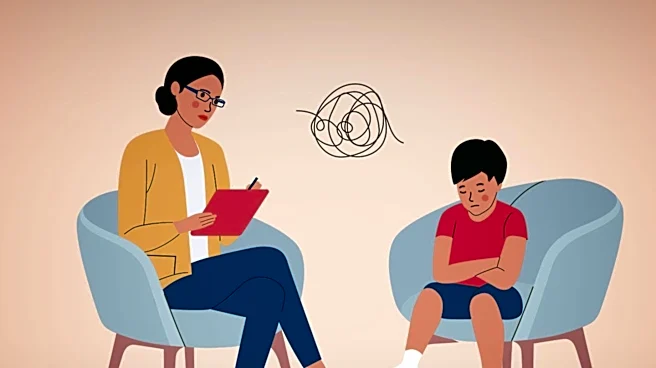
For individuals seeking effective treatment for social anxiety disorder, evidence-based approaches primarily point to cognitive-behavioral therapy (CBT) and certain prescribed medications. Decades of research, including hundreds of peer-reviewed studies,
consistently demonstrate that CBT produces lasting and statistically significant improvements, even when accounting for placebo effects. These studies, often randomized controlled trials (RCTs), are considered the 'gold standard' in healthcare research. In contrast, many popular interventions promoted online or through testimonials, such as 'manifestation,' 'thought stopping,' or advice from 'social coaches,' lack empirical support and often fail to account for the placebo effect or undergo expert scrutiny. Thought stopping, for instance, has been shown to be ineffective and can even strengthen anxious thoughts.
Why It's Important?
This distinction between evidence-based and non-evidence-based treatments is crucial for public health and individual well-being. Relying on unproven methods can delay effective treatment, prolong suffering, and potentially exacerbate symptoms, leading to wasted time, effort, and financial resources. The emphasis on CBT and specific medications provides a clear, scientifically validated path for individuals struggling with social anxiety, ensuring they receive care that has been rigorously tested for efficacy. This information empowers patients to make informed decisions about their mental health care and helps mental health professionals adhere to best practices. It also highlights the importance of critical thinking when evaluating health claims, especially in an era of widespread misinformation online.
What's Next?
Moving forward, mental health professionals will continue to advocate for and implement evidence-based treatments like CBT and appropriate pharmacotherapy for social anxiety disorder. There will likely be ongoing efforts to educate the public about the importance of seeking treatments supported by scientific research and to identify red flags associated with unproven interventions. Research will continue to refine existing treatments and explore new avenues, always adhering to rigorous scientific methodologies. Additionally, regulatory bodies and professional organizations may increase their efforts to counter misleading health claims, particularly those disseminated through social media, to protect vulnerable individuals seeking help for mental health conditions.
Beyond the Headlines
The discussion around evidence-based treatments for social anxiety disorder extends beyond clinical efficacy to broader issues of scientific literacy and consumer protection in healthcare. The proliferation of unproven 'cures' online underscores a societal challenge in distinguishing credible information from misinformation, particularly in the sensitive realm of mental health. This situation highlights the ethical responsibility of platforms that host such content and the need for greater public education on how to critically evaluate health claims. Furthermore, it points to the potential for exploitation of individuals seeking relief from distressing conditions, emphasizing the importance of professional standards and ethical guidelines in mental health care. Ultimately, it reinforces the value of scientific rigor as a cornerstone for effective and responsible health interventions.