




What's Happening?
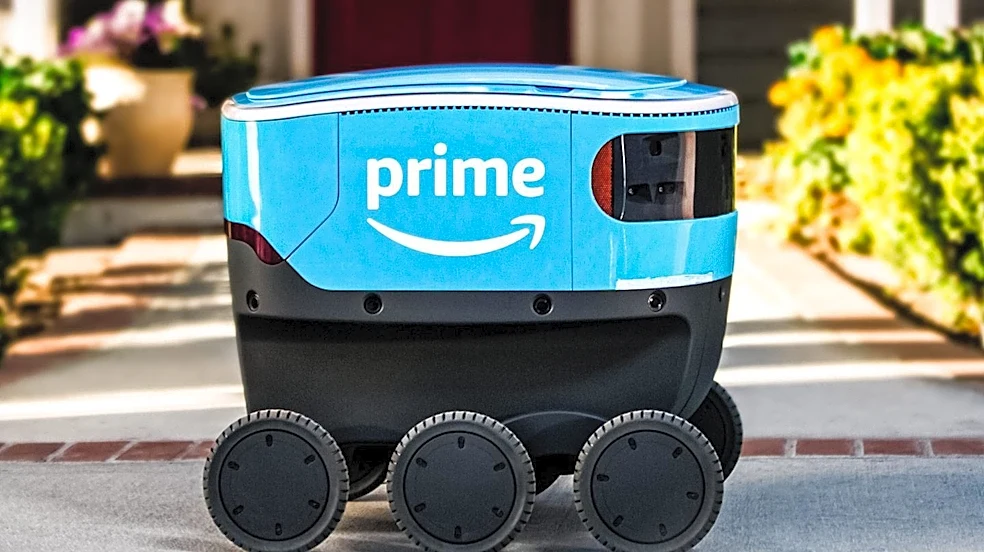
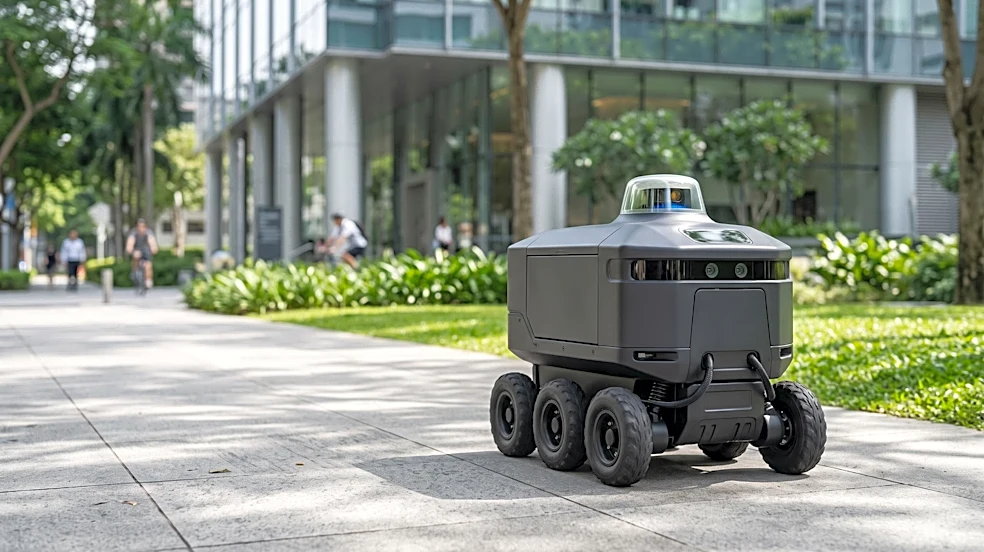
Two lawsuits have been filed in Cook County, Illinois, against food delivery robot companies Coco and Serve Robotics. The lawsuits allege that these companies' robots collect biometric data, specifically hand and facial data, from individuals without
their consent. This collection reportedly occurs from both customers and pedestrians on sidewalks. Serve Robotics has stated that its robots utilize cameras and sensors for navigation on Chicago sidewalks but claims it does not use this data to identify individuals. Similarly, Coco Robotics asserts that it has not collected biometric data in Chicago and that its technology complies with Illinois law. Carl Hansen, head of Government Relations at Coco Robotics, described the lawsuit as fundamentally misunderstanding their technology and expressed confidence it would be dismissed. Both companies maintain that privacy and compliance with privacy laws are top priorities.
Why It's Important?
These lawsuits highlight the growing legal and ethical concerns surrounding the collection of biometric data by emerging technologies in public spaces. The Illinois Biometric Privacy Act (BIPA) is one of the strictest laws of its kind in the U.S., requiring explicit consent before collecting, storing, or disseminating biometric information. If the allegations are proven true, these cases could set precedents for how autonomous delivery services and other AI-powered technologies operate within states with stringent privacy laws. The outcome could impact the operational models of companies relying on visual data for navigation and interaction, potentially leading to increased compliance costs or restrictions on their deployment. It also underscores the public's increasing awareness and demand for control over their personal biometric information, influencing future legislative efforts nationwide.
What's Next?
Both Coco and Serve Robotics are expected to defend against these lawsuits, asserting their compliance with existing privacy laws and denying the collection of biometric data for identification purposes. The legal proceedings will likely involve detailed examinations of the robots' technological capabilities and data handling practices. The courts will need to determine whether the data collected by the robots, even if used for navigation, constitutes 'biometric data' under Illinois law and if consent was adequately obtained. The outcome could lead to either a dismissal of the lawsuits, a settlement, or a ruling that could force these companies to alter their technology or operational procedures in Illinois and potentially other states considering similar privacy legislation. This could also prompt other states to review and potentially strengthen their own biometric privacy laws.
Beyond the Headlines
The legal challenges against food delivery robot companies extend beyond immediate privacy concerns, touching upon broader societal implications of ubiquitous surveillance and data collection. As autonomous systems become more integrated into daily life, the line between necessary operational data and personal biometric information becomes increasingly blurred. These cases could spark a wider debate on the definition of 'public space' in the age of AI and the extent to which individuals retain privacy rights in such environments. Furthermore, the lawsuits could influence the development of industry standards for AI ethics and data governance, pushing companies to adopt privacy-by-design principles from the outset. The tension between technological innovation and individual privacy rights will likely continue to be a significant area of legal and public discourse.