


What's Happening?
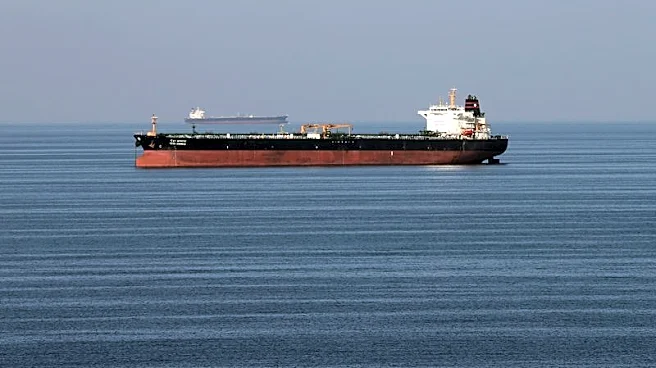
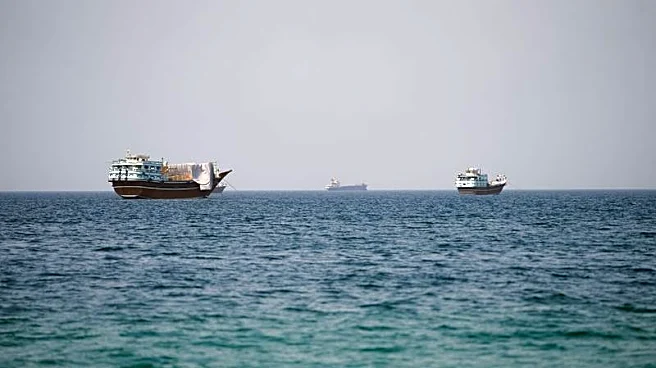
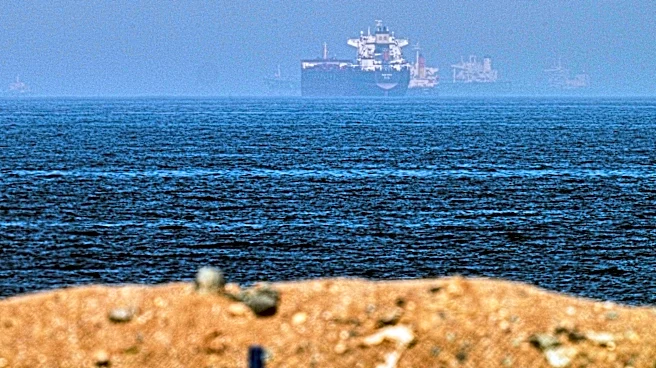
Oil prices have surged following reports of Iran attacking targets in the Strait of Hormuz, a critical waterway for global oil transport. The attacks, which occurred near Qeshm Island, have heightened tensions in the region, with Iran seeking to restrict
US and Israeli ships from the strait. West Texas Intermediate crude traded near $78 a barrel, while Brent crude settled above $82. The geopolitical tensions have reversed earlier declines in oil prices, as the potential for disruptions in energy flows from the Persian Gulf looms large.
Why It's Important?
The Strait of Hormuz is a vital chokepoint for global oil shipments, and any disruptions can have significant implications for global energy markets. The recent attacks by Iran have increased uncertainty and volatility in oil prices, affecting energy costs worldwide. This situation underscores the geopolitical risks inherent in the global oil supply chain and the potential for conflicts to impact economic stability. The developments may lead to increased scrutiny and strategic planning by governments and energy companies to mitigate risks associated with such geopolitical tensions.
What's Next?
The situation in the Strait of Hormuz remains fluid, with potential for further escalation or diplomatic resolutions. The international community, including major oil-importing countries, will likely engage in diplomatic efforts to stabilize the region and ensure the free flow of oil. Energy companies may also adjust their strategies to account for potential supply disruptions. The ongoing tensions will be closely monitored by market analysts and policymakers, as any changes could have far-reaching effects on global energy markets and economic conditions.