






What's Happening?
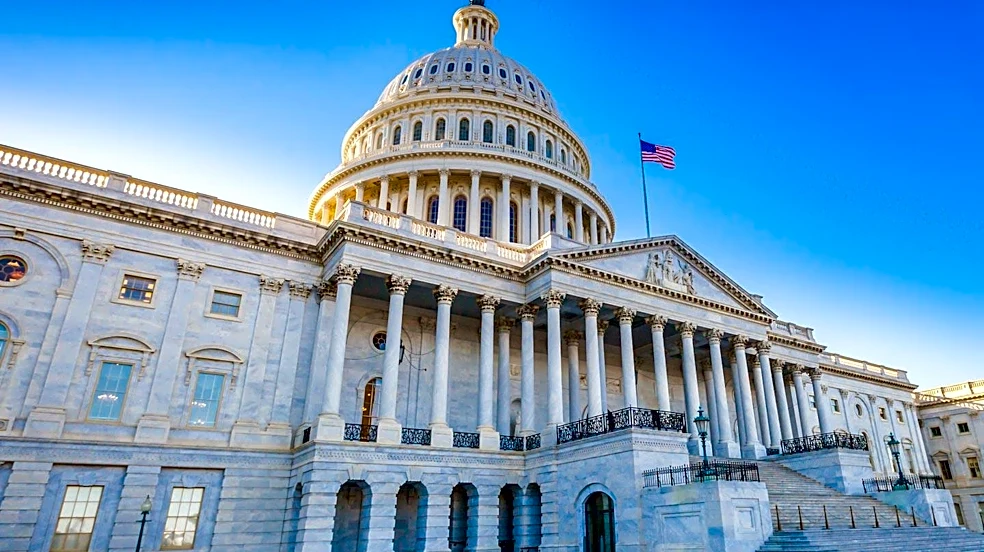
Representative Laurel Lee, alongside Representative Maxwell Frost, is championing the newly introduced Stopping Legalized Organized Trafficking and Harm to Sloths (SLOTHS) Act. This legislation aims to prohibit the importation of sloths into the United
States, with limited exceptions. The exceptions include deceased animals for scientific research and sloths already in captivity being transferred to accredited zoological facilities under conservation-focused programs. The bill also establishes penalties for violations to ensure meaningful consequences for those who do not comply. The International Fund for Animal Welfare (IFAW) is supporting this act, highlighting that the deaths of sloths in Orlando exposed a gap in protections for these animals entering the U.S. The legislation seeks to address the commercial demand for sloths as exotic pets and tourist attractions, which often leads to their removal from the wild and immense suffering.
Why It's Important?
The SLOTHS Act is important for protecting biodiversity and regulating climate, as sloths play a vital role in the intricate ecosystems of Central and South America's tropical forests. The commercial exploitation of sloths for profit undermines natural systems and causes suffering to individual animals. By restricting the importation of sloths, the legislation aims to reduce the incentive for their removal from natural habitats, thereby contributing to conservation efforts. This act also highlights a broader issue of wildlife trade and its impact on animal welfare and ecosystem health. The involvement of U.S. lawmakers like Representative Lee underscores a growing recognition of the need for stricter regulations to combat wildlife trafficking and ensure responsible animal care, distinguishing it from exploitation.
What's Next?
The next step for the SLOTHS Act involves gaining more support to move the legislation forward through Congress. Organizations like IFAW are urging U.S. residents to contact their Representatives to advocate for the bill's passage. If enacted, the legislation would significantly alter the landscape of sloth importation into the U.S., potentially reducing the number of sloths subjected to the stresses of transport, captivity, and public encounters. The establishment of penalties for violations would provide a legal framework to enforce these protections. The act's success could also set a precedent for future legislation aimed at protecting other vulnerable species from commercial exploitation and illegal wildlife trade.
Beyond the Headlines
The SLOTHS Act touches upon deeper ethical and cultural dimensions concerning human interaction with wildlife. The demand for exotic pets and tourist attractions often stems from a lack of understanding about the complex needs of wild animals and the ecological consequences of their removal from natural habitats. This legislation encourages a shift towards responsible conservation practices and emphasizes the role of accredited zoological facilities in animal care, rather than commercial exploitation. It also brings to light the legal and ethical responsibilities of nations in regulating wildlife trade to prevent animal cruelty and preserve global biodiversity. The act serves as a reminder that legislative action can be a powerful tool in addressing environmental and animal welfare concerns, fostering a more respectful relationship between humans and the natural world.