

What's Happening?
A new Pulse survey, commissioned by the Greater Spokane economic development agency, indicates that Spokane County residents continue to identify homelessness and public safety as their primary concerns. This marks the fifth such poll conducted by the organization
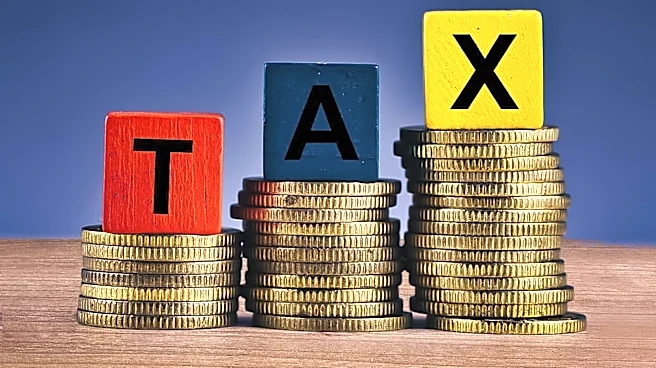
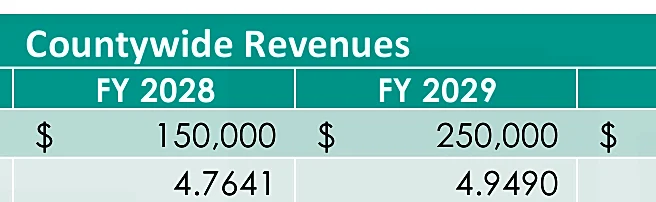
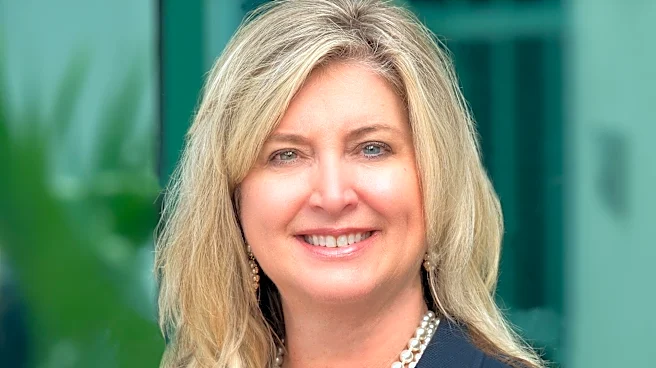
in the past two years, consistently showing these issues at the forefront. In response to public safety concerns and a county deficit, the Spokane County Commission has approved a 0.1% sales tax increase, which will take effect next year. This tax, permissible by state law without voter approval if allocated to criminal justice programs, will apply to purchases made across all 13 municipalities and towns within Spokane County. Commissioner Amber Waldref noted the county's deficit despite cost-cutting efforts, while Commissioner Josh Kerns was the sole dissenting vote.
Why It's Important?
The consistent prioritization of homelessness and public safety by Spokane County residents, as revealed by the Pulse survey, highlights persistent societal challenges that impact the quality of life and economic stability of the region. The approval of a sales tax increase specifically for criminal justice programs reflects a direct governmental response to these public concerns, aiming to bolster law enforcement and related services. This decision is significant as it demonstrates how local governments can leverage state laws to address critical issues without direct voter mandates, potentially leading to quicker implementation of solutions but also raising questions about public consent and fiscal policy. The tax increase will affect all consumers within Spokane County, potentially impacting household budgets and local businesses, while also providing a dedicated funding stream for an essential public service. This move could serve as a model or a point of contention for other counties facing similar challenges and funding shortfalls.
What's Next?
The 0.1% sales tax increase for criminal justice programs in Spokane County is set to take effect next year. This will lead to an increase in the cost of goods and services for residents and visitors within the county. The Spokane City Council is also expected to vote on a similar tax on October 14, which could further increase sales tax for city residents. The additional revenue generated from this tax will be directed towards criminal justice initiatives, potentially leading to expanded programs, increased staffing, or improved infrastructure for law enforcement and related services. The ongoing public concern regarding homelessness will likely continue to be a focus for local government and community organizations, with potential for new strategies or collaborations to address the issue. The long-term effectiveness of the sales tax increase in improving public safety and addressing homelessness will be closely monitored by residents and local officials.
Beyond the Headlines
The decision to implement a sales tax increase for criminal justice, bypassing voter approval, delves into the complexities of local governance and fiscal responsibility. While addressing pressing public concerns, it also highlights the tension between immediate governmental action and democratic processes. This approach could set a precedent for how local authorities fund essential services, potentially influencing future policy decisions on taxation and public spending. Furthermore, the persistent issues of homelessness and public safety are often intertwined with broader socio-economic factors, such as affordable housing, mental health services, and economic opportunity. The sales tax increase, while targeting criminal justice, may only address symptoms rather than root causes, necessitating a more holistic and collaborative approach involving various sectors. The public's continued focus on these issues suggests a demand for comprehensive solutions that extend beyond law enforcement, prompting deeper discussions about community well-being and social equity.