



What's Happening?
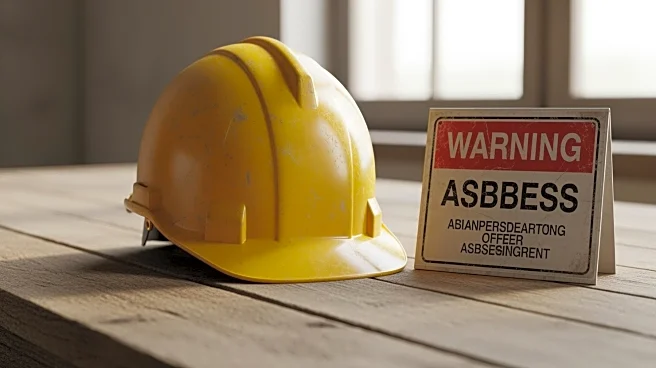
McGrath Building & Joinery Contracts Ltd, a construction firm based in Belcoo, County Fermanagh, Northern Ireland, has been fined £500 by the Health and Safety Executive for Northern Ireland (HSENI) for failing to ensure the safe removal of asbestos during
a refurbishment project at Sacred Heart Chapel in Boho. The HSENI investigation revealed that the company, as the principal contractor, did not adequately plan, manage, or monitor health and safety measures during the construction phase. Specifically, the firm failed to identify and safely remove licensed asbestos material, which is a significant health risk. The HSENI emphasized the importance of engaging competent subcontractors and ensuring they have proper risk assessments and method statements in place. The case was prosecuted with the assistance of the Public Prosecution Service for Northern Ireland.
Why It's Important?
This incident underscores the critical importance of adhering to health and safety regulations in the construction industry, particularly concerning hazardous materials like asbestos. Asbestos exposure remains the leading occupational disease risk for construction workers, making compliance with safety standards essential to protect workers' health. The fine serves as a reminder to construction firms of their legal obligations to ensure safe working environments. Failure to comply not only endangers workers but can also result in legal and financial repercussions for companies. This case highlights the need for rigorous oversight and competent subcontractor engagement to prevent similar violations and protect public health.
What's Next?
Following this ruling, construction firms in Northern Ireland and beyond may face increased scrutiny regarding their health and safety practices, particularly in projects involving hazardous materials. Companies might need to review and enhance their compliance protocols to avoid similar penalties. The HSENI is likely to continue its enforcement efforts, potentially leading to more inspections and fines for non-compliance. This could prompt industry-wide improvements in safety standards and subcontractor management practices, ultimately aiming to reduce occupational health risks.
Beyond the Headlines
The case also raises broader questions about the effectiveness of current regulatory frameworks in ensuring construction safety. It highlights the potential need for more stringent regulations or enhanced enforcement mechanisms to ensure compliance. Additionally, it may prompt discussions about the adequacy of training and resources available to contractors and subcontractors in managing hazardous materials safely. The incident could lead to increased advocacy for worker safety rights and more robust industry standards.