





What's Happening?
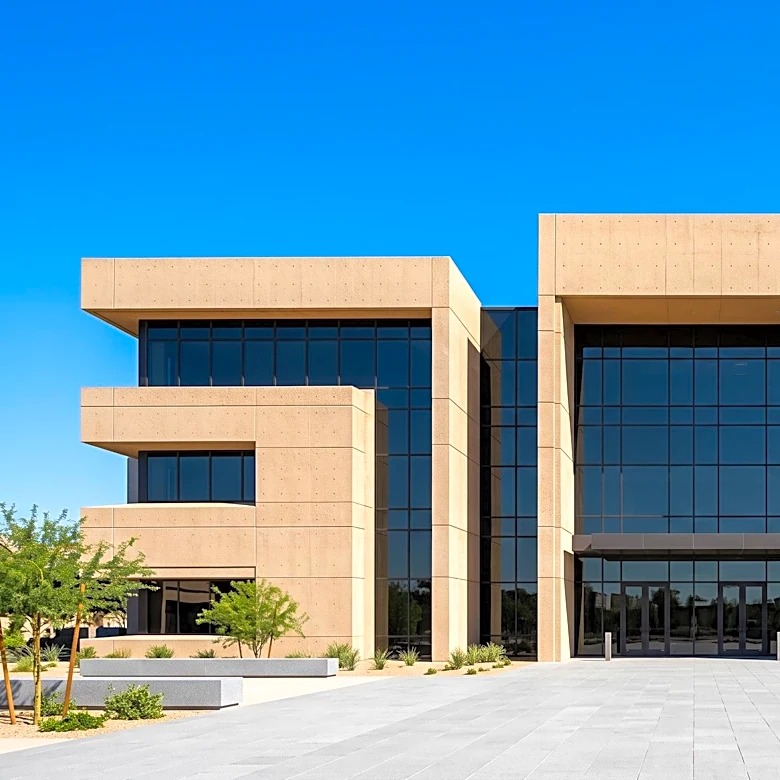
The Ocean City Fire Department has replaced its outdated Station 3 with a new two-story facility designed to enhance access, visibility, and emergency response capabilities. Located on a city-owned site, the station prioritizes firefighter wellness and long-term
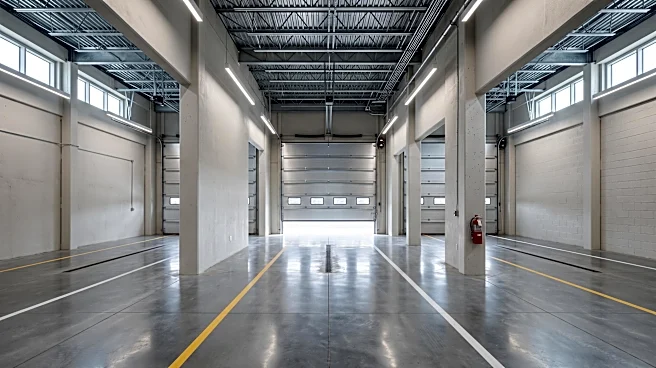
resiliency, especially given Ocean City's high seasonal traffic and constant influx of visitors. The first floor features four double-deep, drive-through apparatus bays for rapid, obstruction-free response and easy return from Route 1. Each bay connects directly to an independently ventilated turnout gear room, a multi-tier decontamination zone, and fire gear storage. The design minimizes travel distances between key operational spaces through a clear circulation spine and intuitive flow from bunkrooms to apparatus bays. The second floor emphasizes recovery, collaboration, and mental health, including a communal kitchen and dining room, and a multipurpose room for community meetings, internal training, and other departmental activities. Natural light is maximized through clerestory windows and full-height glazing. The facility is constructed with durable, corrosion-resistant materials to withstand coastal conditions and exceeds structural performance standards to remain operational during extreme weather events, including winds up to 140 mph.
Why It's Important?
This new fire station represents a significant investment in public safety and emergency response infrastructure for Ocean City, Maryland. Its design directly addresses the unique challenges of a coastal city with fluctuating populations, ensuring that emergency services can operate efficiently and effectively under various conditions. The emphasis on firefighter wellness, including dedicated spaces for recovery and mental health, acknowledges the demanding nature of the profession and aims to support the long-term well-being of personnel. By minimizing response times and providing state-of-the-art facilities, the station enhances the safety of both residents and visitors. The use of resilient construction materials also ensures the facility's longevity and operational continuity during severe weather events, which are increasingly critical for coastal communities facing climate change impacts. This project serves as a model for other municipalities looking to upgrade their emergency services infrastructure with a holistic approach to operational efficiency and personnel welfare.
What's Next?
The new Station 3 is now operational, providing enhanced emergency services to Ocean City. The department will continue to utilize the facility for its daily operations, including emergency responses, community engagement, and internal training. The multipurpose room is expected to host various community meetings and departmental activities, fostering greater interaction between the fire department and the public. The advanced design and durable construction will likely lead to reduced maintenance needs and increased operational efficiency for years to come. Other fire departments and municipalities may look to Ocean City's Station 3 as an example of best practices in designing modern, resilient, and firefighter-centric emergency facilities, potentially influencing future infrastructure projects across the U.S. The station's integration into the community is anticipated to strengthen public safety and preparedness in the region.
Beyond the Headlines
The design of Ocean City's Station 3 reflects a broader trend in public infrastructure development that integrates advanced functionality with considerations for human well-being and environmental resilience. Beyond its immediate role in emergency response, the station's focus on firefighter mental health and recovery highlights a growing recognition of the psychological toll on first responders. This proactive approach to wellness can lead to improved retention rates, reduced burnout, and a more effective emergency workforce. Furthermore, the selection of materials and structural design to withstand extreme coastal weather underscores the increasing importance of climate resilience in urban planning and construction. This facility is not just a building; it's a critical piece of community infrastructure designed to adapt to future challenges, ensuring continuous service in an era of unpredictable environmental conditions and evolving societal needs. It sets a precedent for how essential services can be designed to be both highly functional and deeply supportive of their personnel.