





What's Happening?
Chiricahua National Monument, located in southeastern Arizona, has officially been designated as a new national park. The Chiricahua National Park Act, enacted on October 20, elevated the status of this significant land. The area holds deep historical
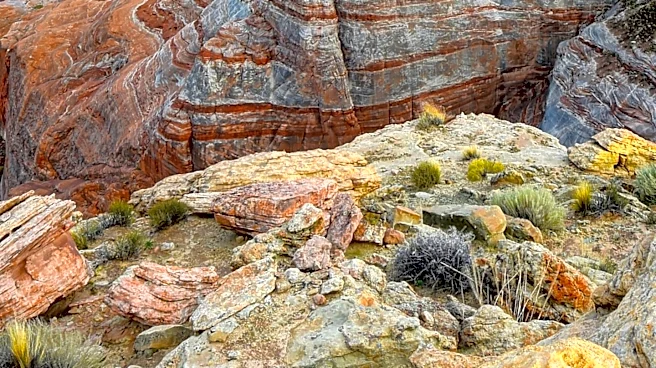
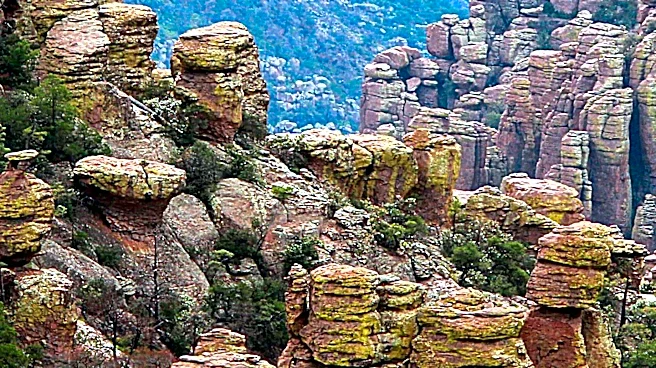
and cultural importance as the homeland of the Chiricahua Apache Native Americans. Its unique landscape was formed approximately 27 million years ago by a volcanic eruption, with subsequent erosion shaping the volcanic ash into distinctive rock formations known as hoodoos, which visitors can explore through hiking trails. The park boasts diverse ecosystems, ranging from desert to forest and grassland, supporting a variety of wildlife including bears, birds, and mountain lions. Originally protected as a national monument in 1924, its upgrade to a national park recognizes its enhanced importance and conservation value. U.S. Secretary of the Interior Doug Burgum praised Chiricahua as 'one of America’s most extraordinary landscapes,' highlighting its towering rock spires, rich Apache heritage, and remarkable biodiversity.
Why It's Important?
The designation of Chiricahua as a national park signifies a heightened level of protection and recognition for its unique geological features, ecological diversity, and cultural heritage. This upgrade typically leads to increased federal funding for infrastructure, conservation efforts, and visitor services, which can enhance the park's ability to preserve its natural and cultural resources for future generations. For the surrounding region, national park status often translates into increased tourism, bringing economic benefits through visitor spending on lodging, food, and local businesses. It also elevates the park's profile on a national and international scale, attracting more visitors and potentially fostering greater public awareness and appreciation for its unique attributes. Furthermore, the recognition of its 'rich Apache heritage' underscores the importance of acknowledging and preserving the cultural history intertwined with natural landscapes, potentially leading to more collaborative management with Indigenous communities.
What's Next?
With its new national park status, Chiricahua can expect a review and potential update of its management plans to align with the broader mission and increased visitation associated with national parks. This may involve developing new visitor facilities, expanding educational programs, and implementing enhanced conservation strategies. The National Park Service will likely focus on managing increased visitor traffic while ensuring the preservation of the park's delicate ecosystems and geological formations. Local communities and businesses will likely prepare for an anticipated increase in tourism, potentially leading to new economic opportunities and development. Additionally, there may be further efforts to collaborate with the Chiricahua Apache Nation to interpret and present the park's cultural history in a more comprehensive and respectful manner, ensuring their heritage is accurately represented and honored within the park's narrative.
Beyond the Headlines
The elevation of Chiricahua to a national park reflects a broader national commitment to preserving significant natural and cultural landscapes. This designation not only protects a unique geological wonder but also formally acknowledges the deep historical ties of the Chiricahua Apache to this land, contributing to a more inclusive narrative of American heritage. Such designations often spark renewed interest in the geological processes that shaped these landscapes, fostering scientific research and public education about Earth's history. Culturally, it reinforces the importance of recognizing Indigenous homelands and their enduring legacy within protected areas. The creation of new national parks also plays a role in the ongoing national conversation about conservation, public access to nature, and the economic benefits of ecotourism, highlighting the multifaceted value of these protected spaces in American society and their role in shaping national identity.