




What's Happening?
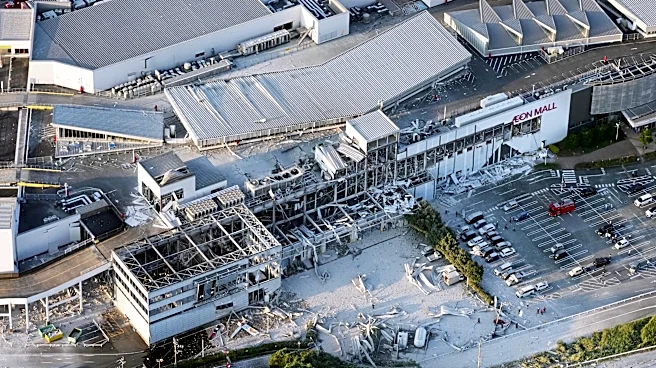
A series of earthquakes, including a 6.8 magnitude tremor, struck Japan's Kyushu island, particularly affecting Kumamoto Prefecture. The main earthquake occurred just before 4:30 p.m. local time, with an epicenter about 6 miles beneath the surface. The Japan Meteorological
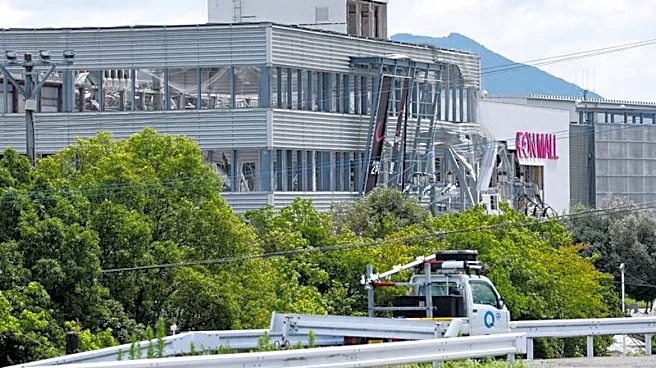
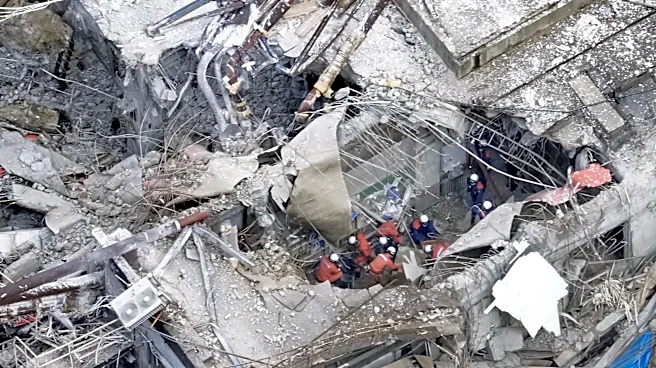
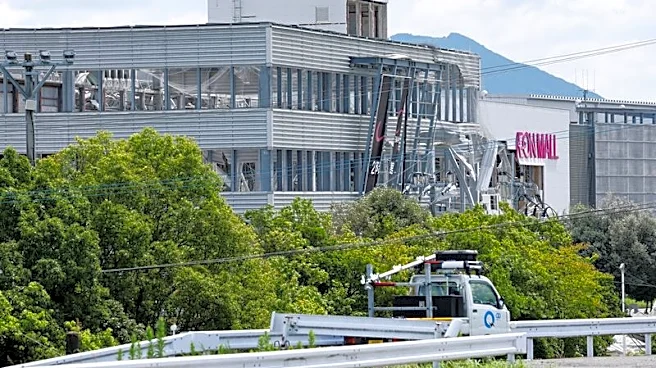
Agency issued a tsunami advisory for parts of Kyushu, warning of waves up to 3 feet, which was later lifted. The earthquakes resulted in nearly a dozen fires and a partial building collapse, leading to hundreds of emergency calls. The Sendai Nuclear Power Plant reported no abnormalities, and Kumamoto Airport was closed due to the earthquake's effects.
Why It's Important?
Japan is located on the Pacific Ring of Fire, making it prone to frequent seismic activity. The country's strict building codes and regular earthquake drills have historically helped reduce casualties. However, the recent earthquakes have caused significant destruction, highlighting the ongoing vulnerability of even well-prepared regions. The impact on infrastructure, such as the closure of Kumamoto Airport and the temporary tsunami advisory, underscores the potential for widespread disruption in daily life and economic activities.
What's Next?
Authorities have established an emergency task force to manage the situation and are urging the public to prepare for strong aftershocks. Rescue operations are ongoing, with firefighters and emergency services responding to fires and structural damages. The government and local agencies will likely continue to assess the damage and provide updates on recovery efforts. The situation remains fluid, with potential for further seismic activity in the coming days.