



What's Happening?
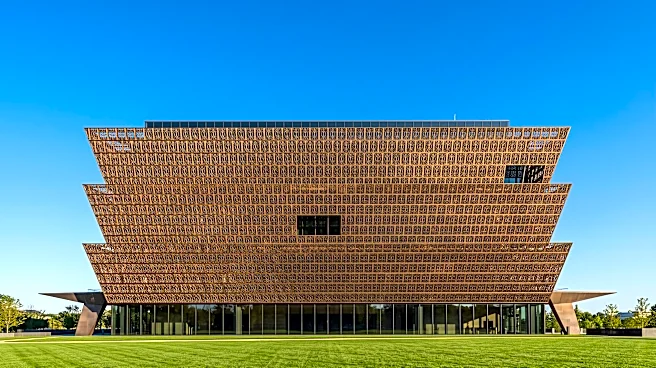
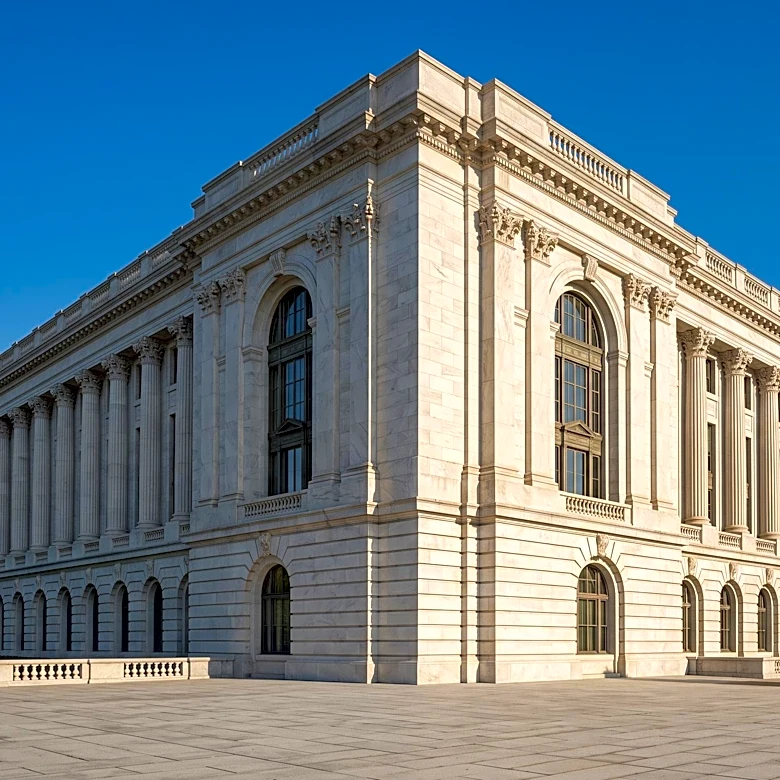
The Smithsonian's National Museum of African American History and Culture is celebrating its 10th anniversary with events at its National Mall location and The Wharf. This milestone occurs while the museum, affectionately known as the 'Blacksonian,' has
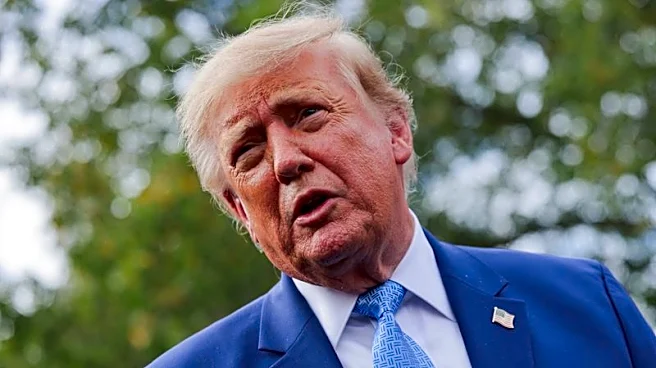
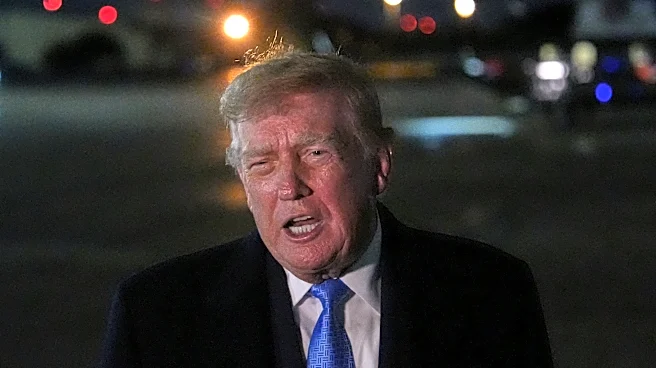
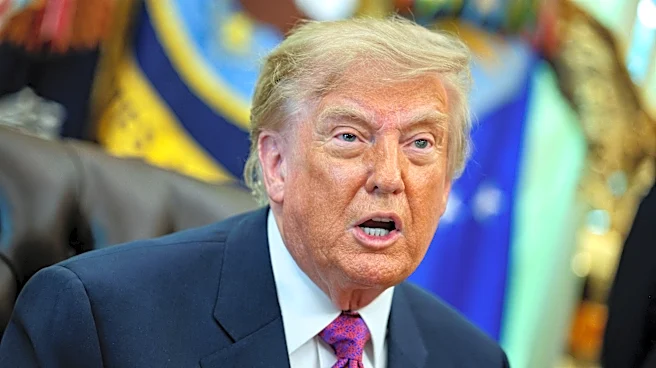
faced significant pressure and 'outright hostility' from President Trump's administration. The administration has sought to influence the content of federally supported museums and landmarks, with President Trump ordering signs to be placed in front of some Smithsonian buildings, warning visitors about potentially 'inaccurate' portrayals of American history. Despite these pressures, the museum's leadership asserts that its curatorial vision, focused on presenting the 'unvarnished truth of African American history and culture,' remains unchanged. The Smithsonian's funding structure, which combines federal and private sources, along with its complex governance involving a board with bipartisan lawmakers, private donors, and Supreme Court Chief Justice John Roberts, has made direct administrative influence challenging. Shanita Brackett, the museum's acting director, confirmed that no exhibits have been altered to appease administrative concerns, emphasizing that 'Black history is a part of American history' and the museum's role is to ensure understanding of African American contributions.
Why It's Important?
This situation highlights a significant tension between governmental influence and the independence of cultural institutions in the U.S. The Smithsonian Institution, a federally chartered entity, is designed to be a non-partisan source of education and cultural preservation. The administration's attempts to label certain historical narratives as 'inaccurate' or to influence curatorial decisions could set a precedent for political interference in educational and cultural programming. This is particularly important for institutions like the National Museum of African American History and Culture, which plays a crucial role in presenting a comprehensive and often challenging history of African Americans. The museum's resilience in maintaining its original vision underscores the importance of academic freedom and scholarly integrity in historical interpretation. The public's trust in museums as nonpartisan educational sources, as indicated by various studies, could be eroded if political pressures are perceived to compromise their content. This struggle also reflects broader societal debates about how American history, particularly its more complex and painful aspects, should be presented and understood by the public.
What's Next?
The Smithsonian's National Museum of African American History and Culture plans to continue its mission of sharing African American history and culture, with acting director Shanita Brackett stating they are already planning exhibitions for the next 10 to 20 years. The museum's leadership will likely continue to navigate the balance between its federal funding and its commitment to independent scholarship, potentially setting a model for other cultural institutions facing similar pressures. The ongoing celebrations of its 10th anniversary will serve as a platform to reaffirm its dedication to its founding principles. The broader implications of the administration's actions on other federally supported museums and landmarks will also be closely watched, as the precedent set by the Smithsonian's resistance could influence future interactions between government and cultural institutions. The retirement of Smithsonian Secretary Lonnie G. Bunch III, the museum's founding director, also signals a leadership transition that could bring new dynamics to these ongoing discussions.
Beyond the Headlines
The conflict between the Trump administration and the Smithsonian's National Museum of African American History and Culture delves into fundamental questions about historical truth, national identity, and the role of cultural institutions in a democratic society. The administration's push to control historical narratives, particularly those concerning race and social justice, reflects a broader cultural war over how the U.S. understands its past. The museum's steadfast commitment to presenting an 'unvarnished truth' challenges attempts to sanitize or selectively interpret history, emphasizing that a complete understanding of American history must include the experiences and contributions of all its people, including those who have been marginalized. This struggle highlights the ethical responsibility of museums to serve as custodians of collective memory and sites for critical reflection, rather than as instruments of political agendas. The long-term impact could shape how future generations engage with historical narratives and the degree to which public institutions can resist political pressures to maintain their intellectual independence.