





What's Happening?
Global warming, driven by human emissions of greenhouse gases, is causing significant sea level rise as the atmosphere traps more heat, warming the oceans. According to NASA scientist Benjamin Hamlington, the rate of sea level rise is akin to 'putting
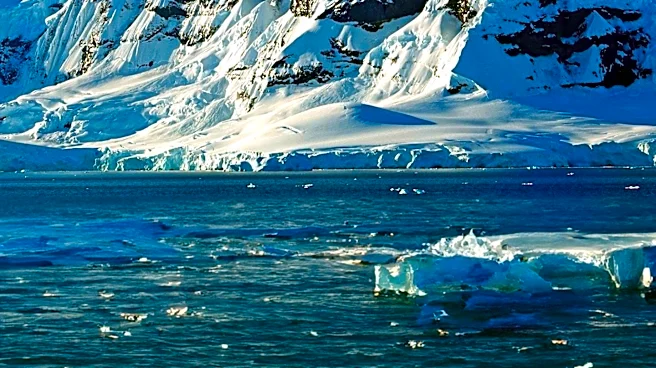
our foot on the gas pedal.' Since 1880, the global average sea level has risen by approximately eight to nine inches, with projections indicating an additional six to seven inches by 2050. This rise is exacerbated by the melting of glaciers and ice sheets, particularly in Greenland and Antarctica, which threatens biodiversity and coastal ecosystems. The National Oceanic & Atmospheric Administration (NOAA) notes that while natural climate cycles contribute to sea level changes, human activities are a significant factor in the current acceleration.
Why It's Important?
The rising sea levels pose a threat to coastal communities, increasing the risk of high-tide flooding and storm surges. This environmental change could lead to significant economic and social challenges, as infrastructure and ecosystems are put under pressure. The loss of ice in polar regions also impacts wildlife, such as polar bears, which depend on sea ice for survival. Addressing these issues requires global efforts to reduce emissions and transition to clean energy, which could mitigate long-term damage and support adaptation strategies for affected communities.
What's Next?
Efforts to combat sea level rise will likely focus on reducing greenhouse gas emissions and enhancing coastal resilience. This includes transitioning to renewable energy sources, improving energy efficiency, and protecting ecosystems that can absorb carbon. Coastal communities may need to invest in infrastructure to manage the impacts of rising seas, such as building sea walls or restoring natural barriers like mangroves. Advocacy for emission reductions and support for affected communities will be crucial in mitigating the impacts of climate change.