




What's Happening?
Several generals have raised concerns that a major military conflict could leave U.S. states with insufficient National Guard troops to respond to domestic disasters and emergencies. This issue, termed 'simultaneity' by Army leaders, highlights the potential
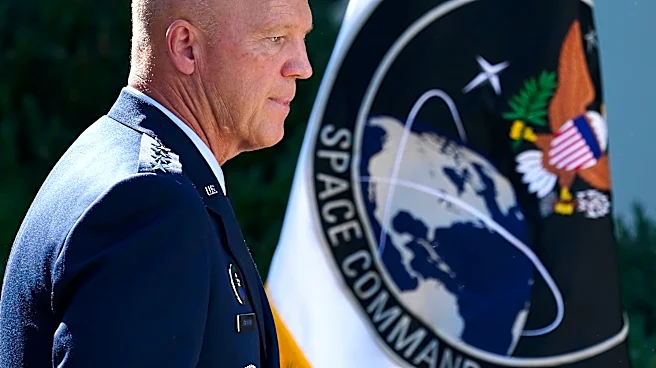
for enormous demands for troops overseas to coincide with intensifying threats to the homeland. The National Guard, unique in its dual role, serves both state governors for emergencies and as a combat reserve for the federal military. Historically, the Guard has faced competing demands, with significant deployments to Iraq and Afghanistan between 2001 and 2015, and current deployments to the U.S. southern border and Washington D.C. for anti-crime initiatives. Lt. Gen. Jonathan Stubbs, director of the Army National Guard, emphasized that 'Hurricanes will not take a break for great power war,' underscoring the continuous need for domestic response capabilities.
Why It's Important?
The potential shortfall in National Guard troops during a major conflict carries significant implications for U.S. homeland security and disaster response. If large numbers of Guard personnel are mobilized for overseas combat, states could be left vulnerable to natural disasters, infrastructure protection challenges, and other domestic threats. Maj. Gen. Larry Muennich, Indiana's adjutant general, questioned the capabilities governors would retain in such a scenario. This situation could strain civilian emergency response systems and potentially lead to increased casualties and economic damage from domestic crises. The dilemma also presents a strategic vulnerability, as Maj. Gen. Brey Hopkins warned that adversaries are closely observing the U.S.'s mobilization speed and its handling of critical missions, suggesting that any perceived weakness in domestic response could be exploited.
What's Next?
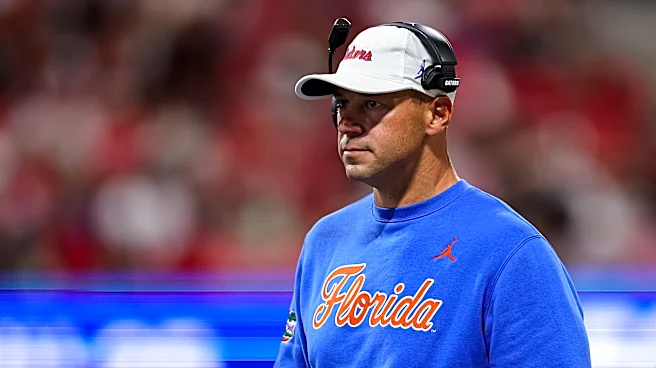
Some states are already taking proactive measures to address the potential troop shortfall. Florida, for instance, has revived its State Guard, a separate, state-controlled volunteer force capable of including up to 1,500 volunteers, to fill potential gaps left by federal mobilizations. Other generals have suggested establishing clearer processes to resolve competing demands for troops between state and federal authorities. Additionally, improving civilian emergency response capabilities and streamlining administrative processes for home-defense missions are being considered. These discussions indicate a growing recognition of the need for robust domestic preparedness strategies that account for the National Guard's dual responsibilities and the increasing complexity of global and domestic threats.
Beyond the Headlines
The 'simultaneity' challenge facing the National Guard highlights a deeper tension between federal and state authorities regarding military resource allocation. While the Guard's federal role as a combat reserve is crucial for national defense, its state role is vital for local safety and stability. This situation raises questions about the optimal balance of these responsibilities and the need for a comprehensive national strategy that ensures both are adequately met. The revival of state-controlled forces, like Florida's State Guard, could represent a broader trend towards states developing independent capabilities to mitigate federal mobilization impacts, potentially altering the traditional relationship between state and federal emergency response mechanisms. This could also lead to increased investment in civilian emergency services to reduce reliance on military personnel for domestic incidents.