






What's Happening?
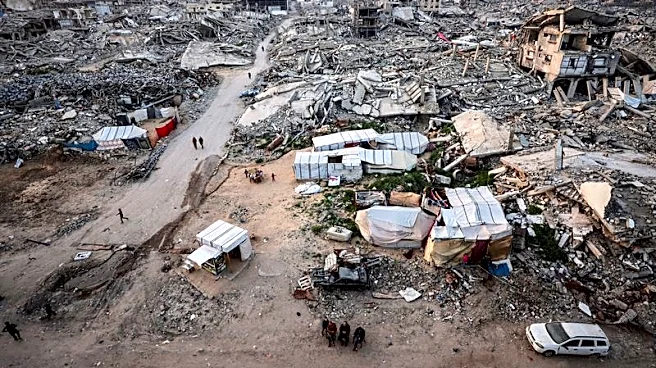
Israel is re-evaluating its security strategy following the October 7 massacre, which highlighted the dangers of maintaining the status quo with Hamas in Gaza. The previous approach involved periodic flare-ups followed by ceasefires and economic concessions,
creating an illusion of security. However, this strategy allowed adversaries to prepare for future conflicts. The status quo has also led to imbalances in military service and religious practices, prompting calls for change. Israel is now considering creating buffer zones and pushing threats further from its borders to enhance security.
Why It's Important?
The reassessment of Israel's security strategy is crucial for addressing long-standing issues that have threatened national stability. The previous status quo, while seemingly stable, masked underlying vulnerabilities that adversaries could exploit. By rethinking its approach, Israel aims to strengthen its security and address societal imbalances, such as the exemption of ultra-Orthodox men from military service. These changes could lead to a more equitable distribution of responsibilities and a more robust defense posture, impacting both domestic cohesion and regional security dynamics.
What's Next?
Israel's shift in strategy may involve significant policy changes, including military reforms and adjustments to religious practices. These changes could face resistance from various political, religious, and institutional actors who benefit from the current arrangements. However, addressing these issues is seen as necessary to prevent future security breaches and societal divisions. The upcoming election cycle may further influence these developments, as political leaders debate the best path forward for ensuring Israel's security and social cohesion.