








What's Happening?
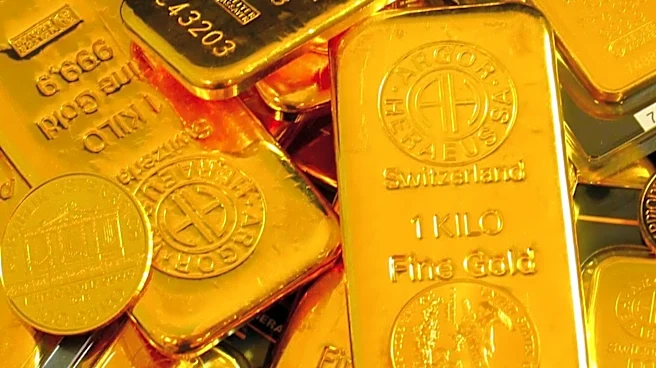
Iraqi authorities have seized over 825 pounds of gold and millions in cash in a sweeping anti-corruption operation. The crackdown led to the arrest of at least 21 individuals, including government officials and members of parliament. The operation is
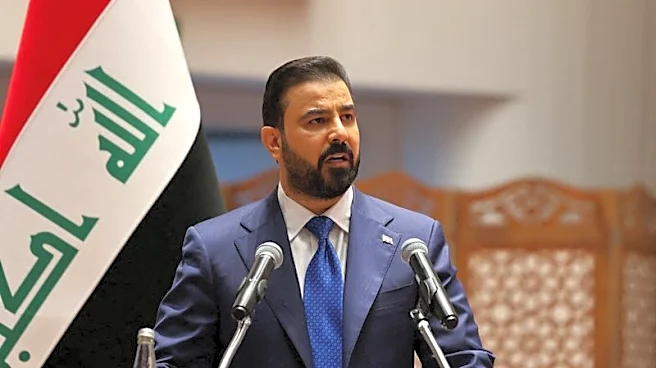
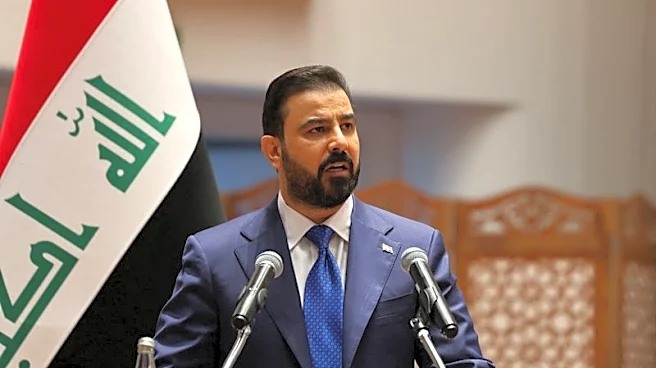
linked to the arrest of former deputy oil minister Adnan Al-Jumaili on corruption charges. Prime Minister Ali Al-Zaidi, who assumed office in May, has pledged to tackle corruption, a pervasive issue in Iraq. The seized assets, including gold, cash, vehicles, and real estate, highlight the scale of corruption within the country's oil sector.
Why It's Important?
The anti-corruption crackdown in Iraq is a significant step towards addressing systemic corruption that has plagued the country for years. The operation demonstrates the new government's commitment to reform and accountability, which could improve public trust and international relations. The crackdown may also impact Iraq's oil industry, as it targets corruption within this critical sector. The success of these efforts could lead to increased foreign investment and economic stability, benefiting the Iraqi economy and its citizens.
What's Next?
Iraq's government may continue its anti-corruption efforts, potentially expanding investigations into other sectors. The international community may support these initiatives, offering assistance and expertise. The crackdown could lead to legal reforms and stronger anti-corruption measures, enhancing transparency and governance. The situation may also influence Iraq's political landscape, as officials implicated in corruption face legal consequences.