






What's Happening?
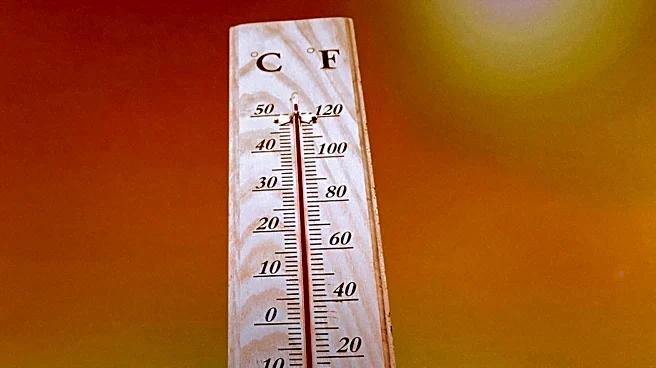
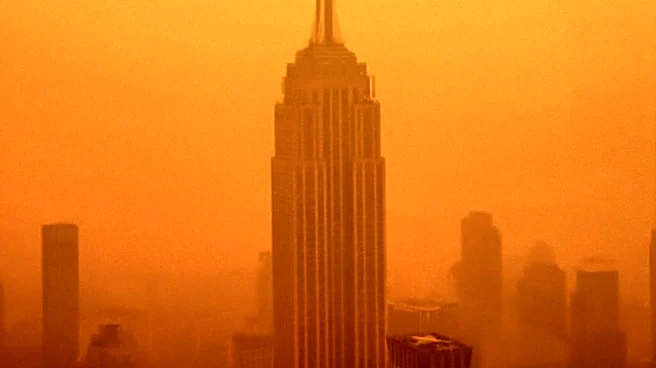
Global warming is significantly exacerbating human health risks, leading to a rise in heat-related illnesses, the spread of mosquito-borne diseases, and increased vulnerability to waterborne diseases. Heatwaves are causing heatstroke, kidney problems,
and fatalities, particularly among vulnerable populations like the elderly, outdoor workers, and the urban poor. Warmer temperatures and altered rainfall patterns are expanding the range and breeding seasons of mosquitoes such as Aedes aegypti and Anopheles, which transmit dengue, chikungunya, Zika, yellow fever, and malaria. Floods and warm water also contribute to the spread of cholera and other waterborne diseases. Additionally, crop losses due to climate change are worsening malnutrition. While distinct from global warming, ozone depletion continues to increase exposure to ultraviolet-B radiation, raising the risk of skin cancer, cataracts, and weakened immunity. These health impacts are direct consequences of a changing climate, affecting various aspects of human well-being.
Why It's Important?
The escalating health crisis driven by global warming has profound implications for public health infrastructure and economic stability in the U.S. The increased incidence of diseases like dengue and malaria, traditionally confined to tropical regions, could strain healthcare systems in new areas, requiring significant investments in surveillance, vector control, and treatment. Heat-related illnesses will lead to higher healthcare costs, reduced productivity among outdoor workers, and increased mortality rates, particularly in urban centers and agricultural regions. The disruption of agricultural cycles due to extreme weather events could impact food security and prices, affecting consumers and the agricultural industry. Furthermore, the indirect effects on air quality and mental health from climate-related disasters will add to the societal burden, necessitating comprehensive public health strategies and adaptation measures to protect vulnerable communities and maintain economic output.
What's Next?
Addressing the health impacts of global warming will require a multi-faceted approach, including enhanced public health surveillance, early warning systems for heatwaves and disease outbreaks, and robust vector control programs. Investment in resilient infrastructure, such as improved drainage and water sanitation, will be crucial to mitigate waterborne disease risks. Healthcare systems will need to adapt to a changing disease landscape, potentially through increased training for medical professionals on climate-sensitive health issues and the development of new vaccines or treatments. Public policy will likely focus on implementing heat action plans, establishing cooling shelters, and promoting occupational health guidelines for outdoor workers. Continued research into the links between climate change and health will be essential to inform these strategies and develop effective interventions to protect public health.
Beyond the Headlines
The health crisis fueled by global warming extends beyond immediate medical concerns, touching upon ethical and social justice issues. Vulnerable populations, including low-income communities, the elderly, and outdoor workers, disproportionately bear the brunt of climate-related health impacts, highlighting existing inequalities. The spread of diseases into new geographical areas could also lead to social disruption and economic strain on communities unprepared for such challenges. Furthermore, the long-term psychological toll of climate-induced disasters and chronic health conditions could have profound effects on mental health and community resilience. Addressing these deeper implications will require not only medical and scientific solutions but also comprehensive social policies that prioritize equity, adaptation, and community support in the face of an evolving climate crisis.