





What's Happening?
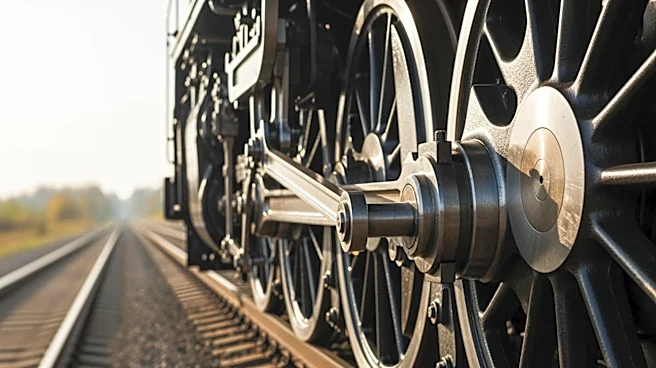
The historic Big Boy No. 4014, one of the largest steam locomotives ever built, is set to roll into the Chicago area as part of a nationwide tour. This tour marks the first time the locomotive will cross the Mississippi River and enter the Ohio Valley
since its construction in Schenectady, New York. The eastern leg of the tour begins on May 25 in Cheyenne, Wyoming, following a western portion that started in Sacramento. The locomotive will make several public appearances, including a stop in West Chicago on June 3, where it will be displayed at the Union Pacific Training Center. The tour will also include stops in Omaha, Buffalo, Scranton, Philadelphia, Altoona, Fostoria, and St. Louis. The locomotive will be accompanied by historical passenger cars from Union Pacific’s Heritage Fleet and two commemorative locomotives.
Why It's Important?
The tour of Big Boy No. 4014 is significant as it celebrates a piece of American industrial history, drawing train enthusiasts and the general public alike. The locomotive, originally built to handle the steep grades of Utah's Wasatch Mountain Range during World War II, is the only one of its kind still in operation. Its journey across the country not only serves as a nostalgic reminder of the past but also highlights the engineering feats of the era. The tour is expected to attract large crowds, providing an economic boost to the cities it visits through tourism and related activities. Additionally, it offers educational opportunities for younger generations to learn about the history of rail transportation in the United States.
What's Next?
As the tour progresses, cities along the route are preparing for the influx of visitors eager to see the historic locomotive. Local authorities and event organizers are coordinating logistics to accommodate spectators, including transportation options like Metra in Chicago, as parking will not be available at the display site. The tour will continue through July, with the locomotive making stops in various cities, culminating in a final display in St. Louis on July 19. The success of this tour could lead to future events featuring other historical trains, further promoting the preservation and appreciation of railway heritage.