
What's Happening?
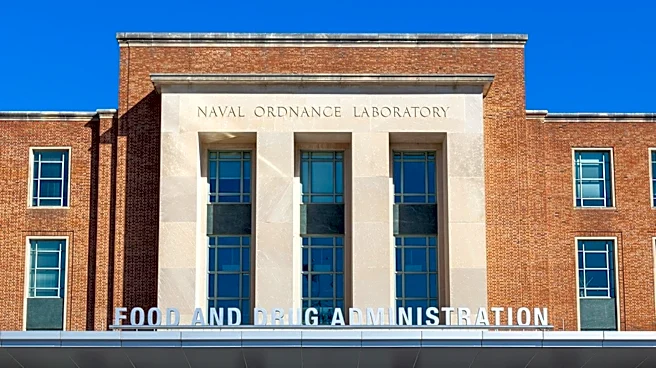
A panel of federal health advisers has recommended that the Food and Drug Administration (FDA) ease restrictions on several peptides, including BPC-157, TB-500, and KPV. These peptides are popular among
wellness influencers and celebrities, despite warnings from FDA scientists about their safety and efficacy. The panel's decision, which is not binding, suggests adding these peptides to the FDA's list of substances considered safe for pharmacy compounding. This move could lead to increased marketing of these chemicals for wellness and cosmetic uses. The panel's vote was close, with an 8-6 outcome and one abstention, reflecting the panel's unusual composition, which included several members with ties to the peptide industry.
Why It's Important?
The panel's recommendation could significantly impact the regulation and availability of peptides in the U.S. If the FDA follows the panel's advice, it could lead to a broader acceptance and use of these substances, despite the lack of substantial clinical evidence supporting their safety and effectiveness. This decision could benefit telehealth companies and pharmacies that compound these peptides, potentially increasing their market share. However, it also raises concerns about patient safety and the potential for unregulated use of these substances, which could lead to adverse health effects.
What's Next?
The FDA will review the panel's recommendations and public comments before making a final decision on the peptides. The agency is not required to follow the panel's advice, but it often does. If the FDA decides to ease restrictions, it may implement a temporary policy to reassure pharmacies about compounding these peptides. However, formally placing them on the FDA's list of safe substances for compounding would require new regulations, which could take months or years to draft.