



What's Happening?
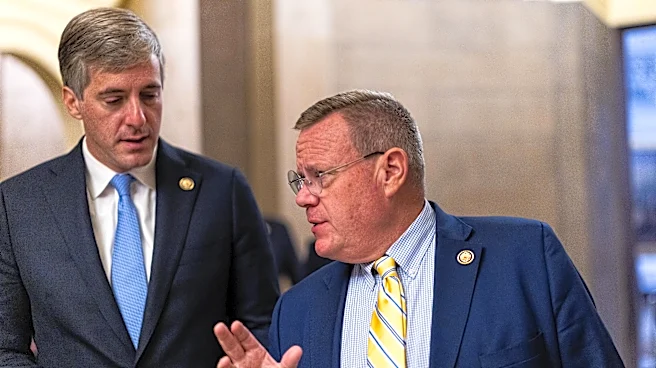
U.S. Representative Jack Bergman, joined by fellow Michigan U.S. Representatives John Moolenaar, Hillary Scholten, Debbie Dingell, Tim Walberg, Lisa McClain, Bill Huizenga, Tom Barrett, John James, and Rashida Tlaib, has initiated efforts to establish
a veterans cemetery in Michigan's Upper Peninsula. On Veterans Day, Representative Bergman announced two coordinated actions: the introduction of the Veterans Cemetery Access Modernization Act and a letter sent to VA Undersecretary for Memorial Affairs Sam Brown. The legislation aims to reform how the National Cemetery Administration (NCA) funds veterans cemeteries by requiring evaluations based on actual driving distances rather than straight-line measurements and considering geographic challenges. The letter urges the NCA to exercise flexibility in its current criteria to allow an Upper Peninsula site to receive federal funding for a state or county veterans cemetery. Currently, veterans in the Upper Peninsula face significant travel distances, with the nearest options being approximately 160 miles away in Wisconsin or 400 miles within Michigan, due to the NCA's population-centric and straight-line distance measurement criteria.
Why It's Important?
This initiative is crucial for addressing a long-standing disparity in burial access for veterans and their families in Michigan's Upper Peninsula. The current NCA criteria, which prioritize population density over geographic reality and measure distances in a straight line, disproportionately disadvantage rural and geographically isolated communities. This situation forces veterans' families to undertake extensive travel, adding emotional and logistical burdens during a difficult time. The proposed legislation and direct appeal to the VA aim to rectify this by ensuring that accessibility is measured practically and that geographic isolation is a key factor in funding decisions. Success in these efforts would establish a precedent for how federal resources are allocated for veterans' services, potentially influencing policy changes for other rural areas across the U.S. that face similar challenges in accessing essential services due to rigid federal guidelines. It underscores a broader debate about equitable access to federal benefits for all veterans, regardless of their location.
What's Next?
The Veterans Cemetery Access Modernization Act will proceed through the legislative process, requiring committee review and votes in both the House and Senate. Concurrently, the letter to VA Undersecretary Sam Brown seeks immediate administrative flexibility from the NCA. The VA's response to this request will be a critical next step, as it could lead to an exception for Michigan's Upper Peninsula under existing rules, potentially fast-tracking the establishment of a cemetery. If the NCA grants flexibility, Michigan would then need to bring forward a specific site proposal for federal funding consideration. Stakeholders, including veterans' advocacy groups and local Michigan communities, will likely monitor these developments closely and continue to advocate for the proposed changes. The outcome could set a precedent for how the NCA evaluates future cemetery locations in other rural or geographically challenging regions across the United States.
Beyond the Headlines
The efforts to establish a veterans cemetery in Michigan's Upper Peninsula highlight a deeper systemic issue within federal service provision: the challenge of applying standardized criteria to diverse geographic and demographic realities. The NCA's current approach, while perhaps efficient in densely populated areas, inadvertently creates significant inequities for rural populations. This situation brings to light the ethical imperative of ensuring that national benefits, particularly those honoring military service, are genuinely accessible to all who have earned them, regardless of where they reside. Beyond the immediate goal of a cemetery, this initiative could spark broader discussions about how federal agencies define 'access' and 'underserved areas,' potentially leading to a re-evaluation of policies across various sectors to better accommodate the unique needs of rural communities nationwide. It also underscores the power of congressional advocacy in addressing specific regional disparities and pushing for more nuanced, equitable policy implementations.