




What's Happening?
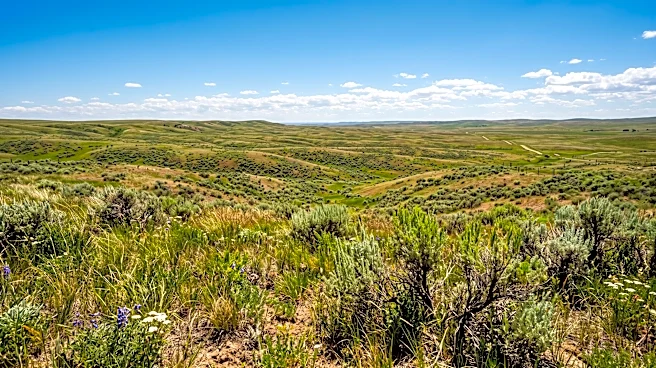
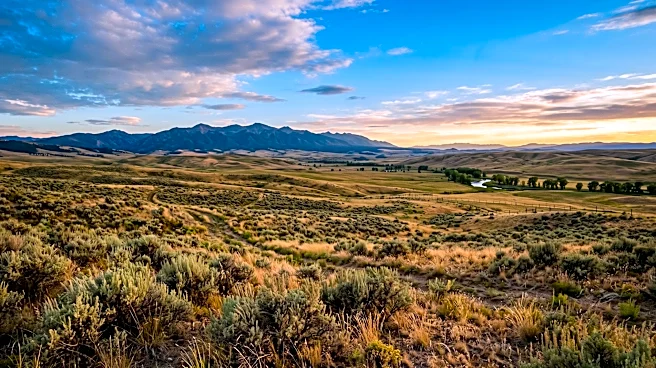
Interior Secretary Doug Burgum has signed an order establishing the Rangeland Health Initiative, a new federal program aimed at expanding grazing access on public lands. This initiative identifies more public land for grazing, restores suspended grazing allotments,
and streamlines the permitting process for ranchers. The order also mandates that federal agencies review policies that currently restrict ranchers' ability to protect their livestock from predators. Cattle groups, including the National Cattlemen’s Beef Association and the Public Lands Council, have welcomed this initiative. They assert that the program will assist ranchers in rebuilding their herds while simultaneously contributing to the reduction of catastrophic wildfires. The initiative is expected to have a significant impact on the management of public lands and the operations of cattle ranchers across the U.S.
Why It's Important?
The Rangeland Health Initiative is significant for several reasons, primarily impacting the U.S. agricultural sector and environmental management. By expanding grazing access and simplifying permitting, the initiative aims to provide much-needed support to ranchers, who often face challenges related to land access and regulatory hurdles. This could lead to increased herd sizes and economic stability for many ranching operations. Furthermore, the initiative's focus on reviewing predator protection policies addresses a long-standing concern for livestock producers, potentially reducing losses due to wildlife. From an environmental perspective, the initiative's proponents argue that managed grazing can play a role in reducing the risk of catastrophic wildfires by controlling vegetation. However, environmental groups may raise concerns about the potential ecological impacts of increased grazing on public lands, including effects on biodiversity and sensitive ecosystems. The initiative represents a shift in federal land management policy, prioritizing agricultural use and wildfire mitigation through grazing.
What's Next?
Following the signing of the order, federal agencies will begin the process of implementing the Rangeland Health Initiative. This will involve identifying specific public lands for expanded grazing, reviewing and restoring suspended allotments, and developing new, expedited permitting processes. Agencies will also be tasked with reviewing and potentially revising policies related to predator control for livestock. Ranchers and cattle groups will likely engage with federal agencies to ensure the effective and timely implementation of these changes. Environmental organizations, on the other hand, may closely monitor the initiative's progress and its ecological impacts, potentially advocating for safeguards or challenging specific actions. The success of the initiative will depend on the balance struck between supporting ranching operations and ensuring the long-term health and sustainability of public rangelands.
Beyond the Headlines
The Rangeland Health Initiative touches upon a complex and often contentious debate surrounding the use of public lands in the U.S. It highlights the ongoing tension between economic development, particularly in the agricultural sector, and environmental conservation. The initiative's emphasis on managed grazing as a tool for wildfire reduction reflects a growing recognition of the role that land management practices can play in mitigating climate-related risks. However, the effectiveness and ecological consequences of such practices are often subjects of scientific and political debate. This initiative could also reignite discussions about the allocation of public resources, the rights of various land users, and the balance between federal oversight and local control. The long-term implications will involve not only the economic viability of ranching but also the ecological health and biodiversity of vast tracts of public land across the American West.