
What's Happening?
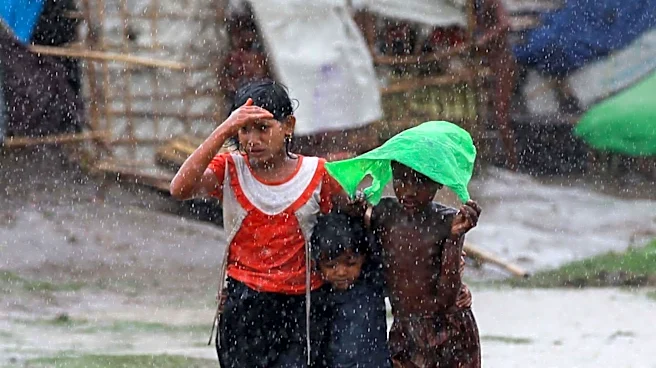
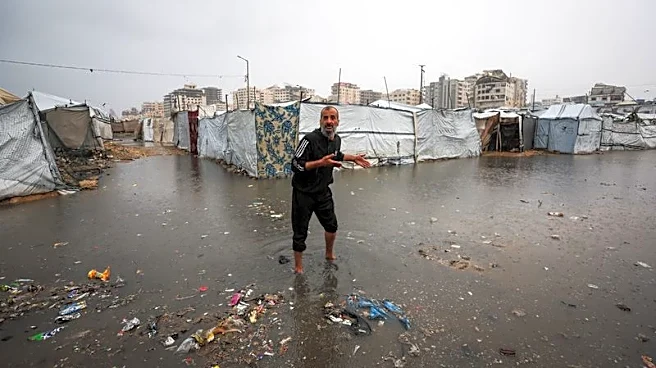
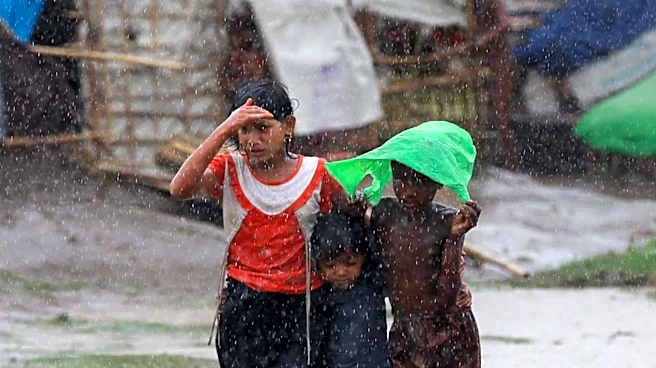
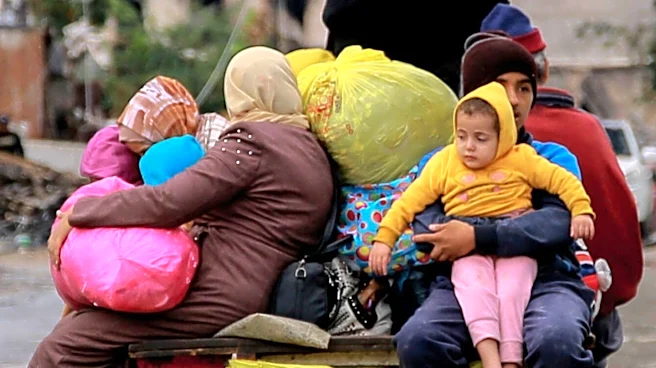
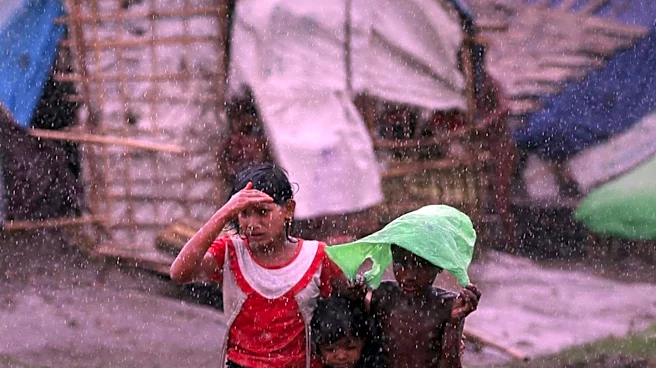
Gaza is currently experiencing a severe humanitarian crisis exacerbated by heavy rains and strong winds, which have flooded or damaged tens of thousands of displacement tents. The storm, which began late Friday, affected approximately 70,000 tents and caused
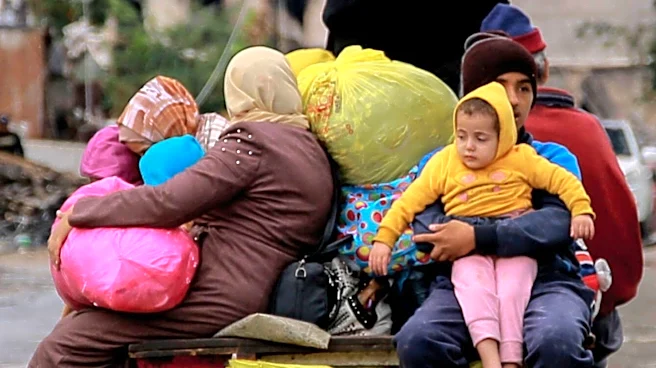
an estimated $3 million in initial losses, according to Gaza’s Government Media Office. Five Palestinians were injured due to collapsing walls previously damaged by Israeli airstrikes. Municipal and emergency crews are struggling to respond with limited equipment and resources, as the city received 60 millimeters of rain in just 12 hours, equivalent to about 15% of its annual rainfall. Hosni Muhanna, Gaza Municipality spokesperson, stated that around one million residents and displaced people are crowded into 30% of Gaza City, further straining infrastructure. The UN agency for Palestinian refugees (UNRWA) reported that 1.98 million people, or 94% of Gaza’s population, need shelter and essential supplies, with 58% facing critical or catastrophic shelter needs. The UN Office for the Coordination of Humanitarian Affairs (OCHA) warned that approximately 950,000 Palestinians are in displacement sites vulnerable to flooding.
Why It's Important?
The ongoing shelter crisis and recent flooding in Gaza highlight the dire humanitarian situation and the significant challenges faced by international aid organizations. The destruction of civilian infrastructure, with roughly 90% damaged or destroyed since October 2023, has left hundreds of thousands of displaced Palestinians without adequate housing. Continued restrictions on the entry of temporary housing, reconstruction materials, and essential supplies by Israel are severely hampering recovery efforts. This situation not only prolongs the suffering of the population but also increases the risk of health crises due to unsanitary conditions and exposure to the elements. The inability of municipal and civil defense crews to effectively respond to emergencies due to limited resources underscores the urgent need for unhindered humanitarian access and a comprehensive international response. The vulnerability of children, who face increased risks of separation from families, waterborne diseases, and gender-based violence, further emphasizes the critical nature of the situation.
What's Next?
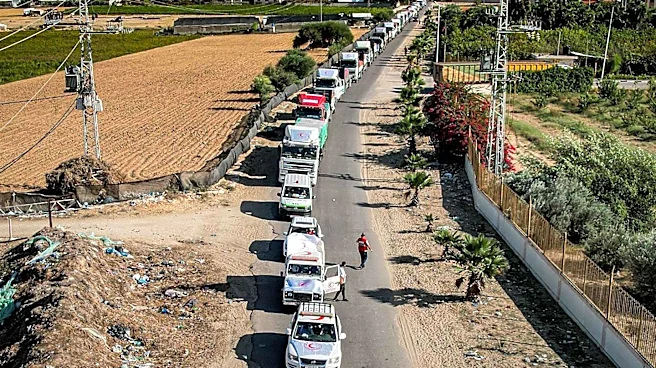
Humanitarian organizations are calling for an urgent surge in relief supplies, including shelter materials, medical equipment, and water, sanitation, and hygiene infrastructure. The full reopening of Gaza’s crossings to allow winter supplies and heavy equipment is crucial for rehabilitation efforts. Without stronger political engagement from European governments and the lifting of blockades on humanitarian supplies, Gaza’s reconstruction and the return of displaced families to safe housing could be delayed for years. Plan International's Country Director for the occupied Palestinian territory, Dr. Unni Krishnan, emphasized the need for immediate access to shelter, protection, and life-saving assistance. The international community will likely continue to advocate for unhindered humanitarian access and increased aid to prevent further deterioration of the crisis, especially as winter conditions set in.
Beyond the Headlines
The persistent humanitarian crisis in Gaza, exacerbated by natural disasters and ongoing restrictions, raises profound ethical and legal questions regarding the protection of civilian populations in conflict zones. The destruction of infrastructure and the severe limitations on reconstruction materials suggest a long-term impact on the region's stability and the well-being of its inhabitants. The situation also highlights the complexities of international aid delivery in politically charged environments, where humanitarian efforts are often intertwined with geopolitical considerations. The long-term psychological trauma on children, who have endured multiple displacements and catastrophic conditions, represents a significant societal challenge that will require sustained support beyond immediate relief efforts. The call for stronger political engagement from European governments underscores the need for a more robust international framework to ensure humanitarian principles are upheld and aid reaches those in desperate need, irrespective of political barriers.