






What's Happening?
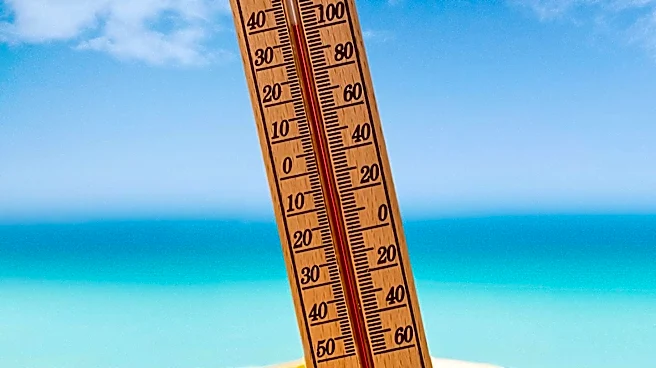
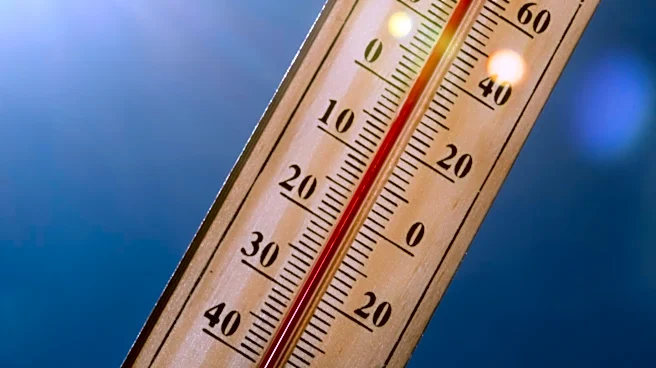
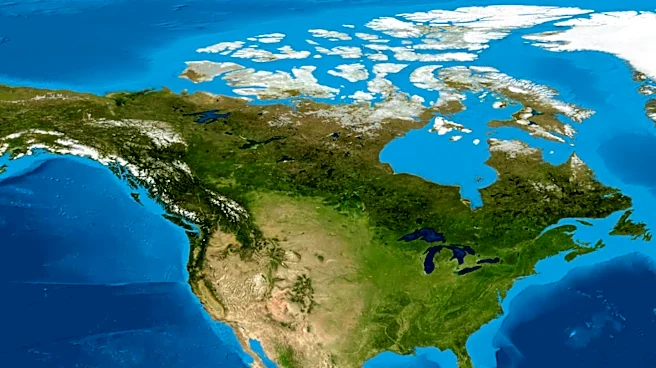
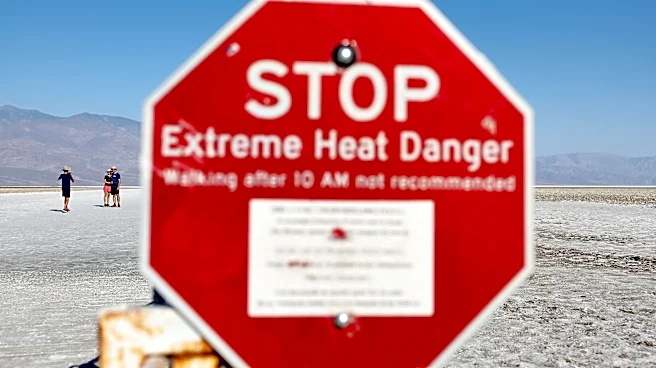
Elizabeth Shackelford, a senior adviser with the Institute for Global Affairs, highlights the severe impact of climate change on the United States and Europe. The U.S. recently experienced a historic heat dome, breaking over 148 records for daily high temperatures,
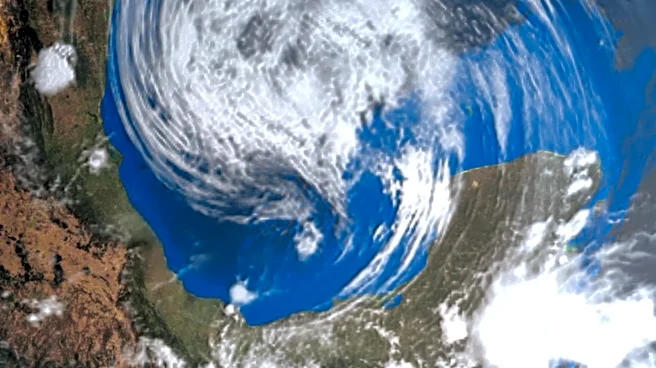
including the hottest Fourth of July on record in Washington, D.C. This extreme heat has led to the cancellation of events and strained power grids. Europe is also facing unprecedented heat waves, with record temperatures causing excess deaths and environmental stress. Shackelford emphasizes the potential collapse of the Atlantic Meridional Overturning Circulation (AMOC), a critical ocean current system, which could have catastrophic global consequences.
Why It's Important?
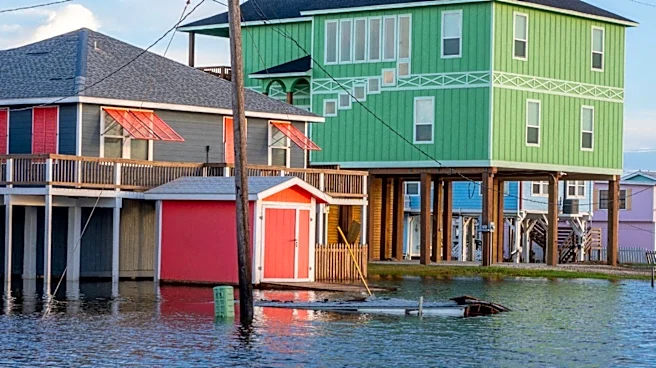
The ongoing climate crisis poses significant threats to both the environment and human society. The potential collapse of AMOC could drastically alter weather patterns, leading to extreme weather events, marine life disruption, and economic challenges. The U.S. government's current stance on climate change, including increased fossil fuel subsidies, exacerbates the problem. Shackelford argues that the reliance on fossil fuels and lack of aggressive climate action could lead to more severe and frequent natural disasters, impacting food security, insurance costs, and overall public safety.
What's Next?
Shackelford calls for urgent action to mitigate climate change effects, suggesting a shift away from fossil fuels towards renewable energy. The U.S. government faces pressure to reconsider its policies and investments in fossil fuels. The international community may also need to collaborate on strategies to address the potential collapse of AMOC and its global implications. Public awareness and advocacy could play a crucial role in driving policy changes and promoting sustainable practices.
Beyond the Headlines
The ethical implications of climate change denial and the influence of the fossil fuel industry on policy-making are significant. Shackelford draws parallels to the tobacco industry's historical denial of health risks, highlighting the need for transparency and accountability. The cultural shift towards recognizing and addressing climate change is crucial for long-term sustainability and environmental justice.