


What's Happening?
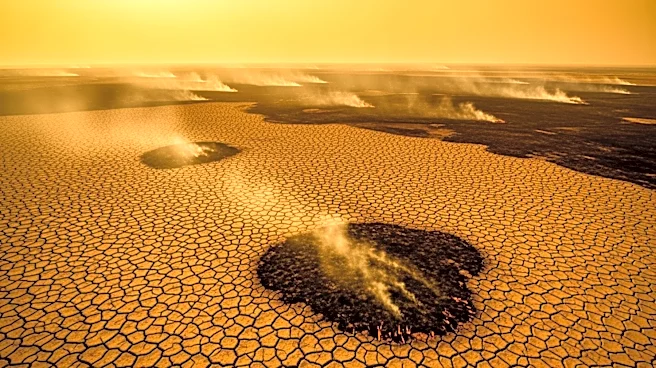
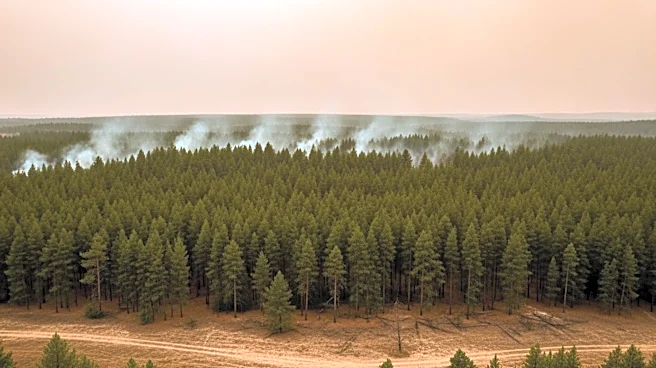
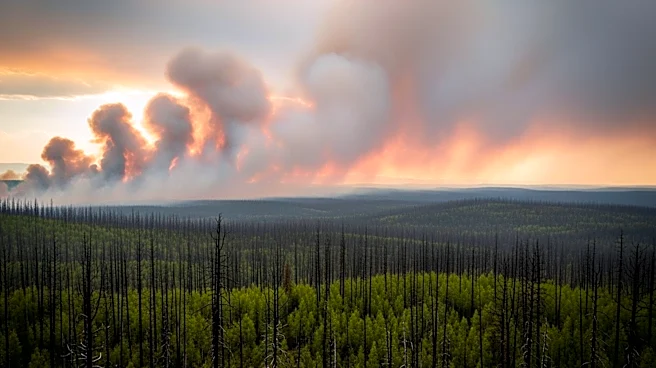
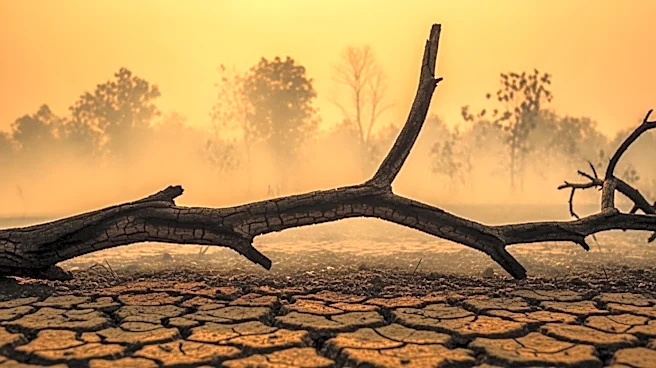
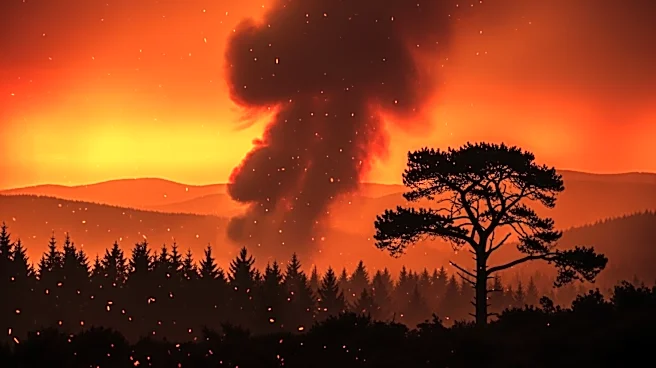
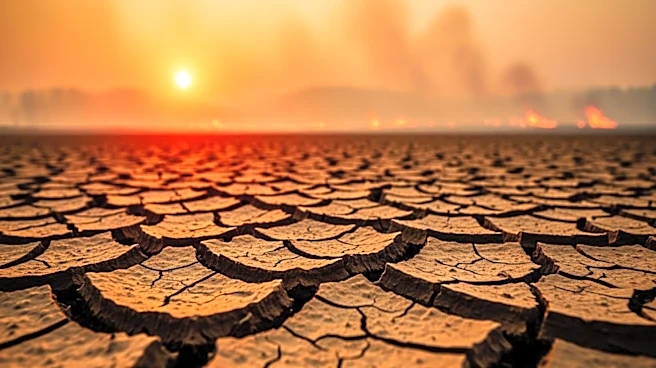
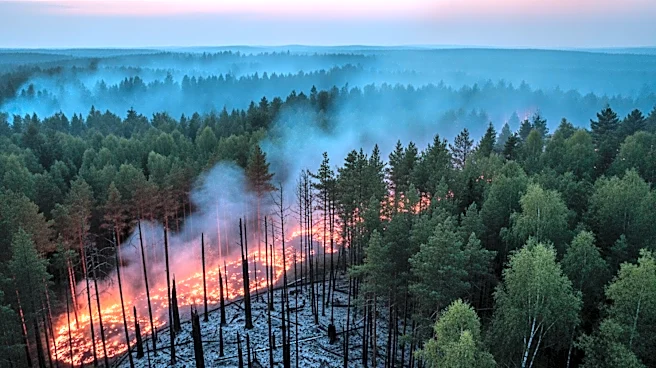
Southern Georgia is experiencing fast-moving wildfires, prompting the Georgia Forestry Commission to enforce burn bans across 91 counties. The wildfires, exacerbated by severe drought conditions and high winds, have led to mandatory evacuations in Clinch
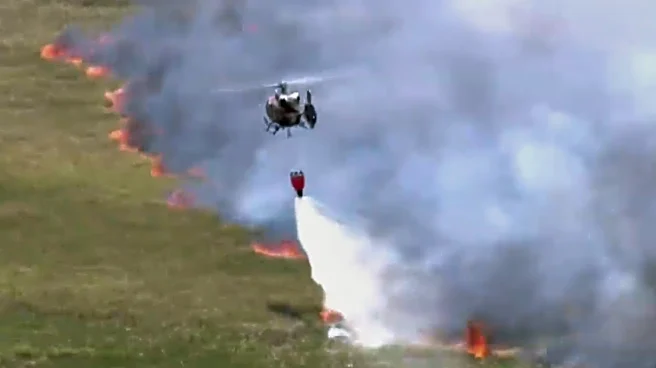
and Echols counties. The Pineland Road Fire, one of the largest, has consumed 17,000 acres and remains only 10% contained. Over 70 firefighters and 40 units of equipment are battling the blaze. The state is urging residents to avoid fire zones to prevent hindering emergency response efforts. The wildfires have also affected air quality, with smoke reaching as far as Atlanta, prompting health advisories for sensitive individuals.
Why It's Important?
The wildfires pose significant risks to public safety, property, and the environment. The burn bans aim to prevent further fires, but the ongoing drought and wind conditions complicate containment efforts. The situation highlights the vulnerability of Georgia's agriculture and forestry sectors to climate-related events. The spread of smoke to urban areas like Atlanta underscores the broader impact on air quality and public health. The state's response, including evacuation orders and burn bans, reflects the urgent need to address the immediate threat while considering long-term strategies for wildfire management and climate adaptation.
What's Next?
The immediate focus is on containing the active wildfires and preventing new ones. The Georgia Forestry Commission's burn ban will remain in effect for the foreseeable future, with enforcement likely to intensify if conditions do not improve. Rainfall is desperately needed to alleviate the drought and assist firefighting efforts. State officials may need to explore additional resources or federal assistance if the situation worsens. Public compliance with safety advisories and burn bans will be crucial in mitigating further risks.