








What's Happening?
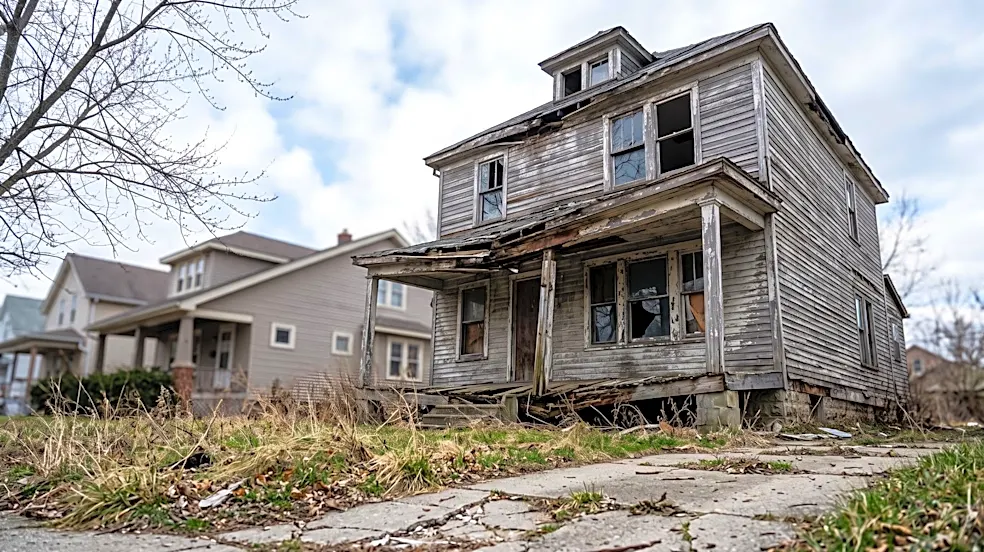
A committee in Macon, Missouri, has officially designated a residential property as a dangerous building. This decision comes after a neighboring homeowner expressed significant concerns regarding the house's deteriorating condition and the potential
risk it poses to adjacent properties. The neighbor has been seeking action on the structure since April, highlighting fears that the house could collapse onto her property. During a Dangerous Building Committee meeting, city officials were questioned about the prolonged delay in addressing the issue. Code enforcement will continue to monitor the property as the demolition process proceeds. The declaration marks a critical step in addressing the safety hazard presented by the collapsing structure, aiming to mitigate risks to the community and surrounding homes.
Why It's Important?
The designation of the Macon house as a dangerous building underscores the critical role of local government in ensuring public safety and property integrity. This action is important for several reasons: it protects neighboring properties from potential damage or collapse, addresses immediate safety hazards for residents, and upholds property values in the community. When structures are left to deteriorate, they can become havens for criminal activity, attract pests, and pose significant health risks. The neighbor's persistent advocacy highlights the importance of citizen engagement in local governance and the need for timely responses from city officials to maintain community standards and safety. This case also sets a precedent for how similar situations might be handled in the future, emphasizing proactive measures over reactive ones.
What's Next?
Following the official designation, the next steps will involve the city's code enforcement department closely monitoring the property as the demolition process moves forward. This typically includes securing the site, obtaining necessary permits, and scheduling the demolition. The city will likely communicate with the property owner to ensure compliance with the dangerous building order, which may involve fines or legal action if the owner fails to act. The neighboring homeowner will likely be kept informed of the progress, as their property is directly affected. This situation may also prompt a review of existing city ordinances and response times for similar complaints to prevent future prolonged hazards.
Beyond the Headlines
This incident in Macon reflects a broader challenge faced by many U.S. municipalities: managing neglected properties and enforcing building codes. Beyond the immediate safety concerns, such properties can contribute to urban blight, depress property values in surrounding areas, and strain city resources. The delay in addressing the Macon house, despite a neighbor's early concerns, points to potential systemic issues in code enforcement or resource allocation. It highlights the tension between property rights and community welfare, where individual property owners' responsibilities intersect with the collective interest in safe and well-maintained neighborhoods. This case could spur discussions on more efficient mechanisms for identifying and remediating dangerous structures, potentially leading to policy changes or increased funding for code enforcement departments.