







What's Happening?
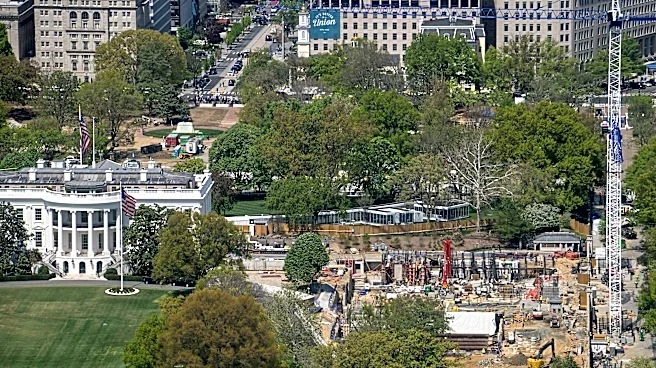
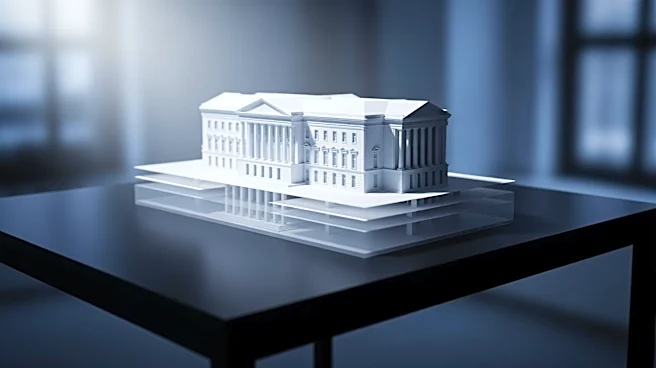
President Donald Trump has expressed strong disapproval of a federal judge's decision to halt the above-ground construction of a $400 million White House ballroom. U.S. District Judge Richard Leon ruled that while the construction of the ballroom is suspended,
below-ground work related to national security can proceed. This decision follows an appeals court's directive to reassess the national security implications of the project. The ballroom, planned to replace the demolished East Wing, has been a point of contention, with the National Trust for Historic Preservation challenging the project. The administration plans to appeal the decision, arguing that the construction includes essential security features. Judge Leon emphasized that national security concerns do not justify bypassing legal procedures.
Why It's Important?
The ruling has significant implications for the Trump administration's plans to enhance the White House's infrastructure. The decision underscores the ongoing tension between development projects and historic preservation efforts. The administration's argument that the ballroom is crucial for national security highlights the complex balance between security needs and legal constraints. The outcome of this legal battle could set a precedent for future federal construction projects, particularly those involving historic sites. The case also reflects broader debates about the use of private versus public funding in government projects, as the ballroom is reportedly funded by private donations, while public funds cover security upgrades.
What's Next?
The Trump administration is expected to seek a review from the U.S. Court of Appeals for the District of Columbia Circuit. The legal proceedings will likely continue to focus on the balance between national security and legal compliance. The administration's appeal could lead to further judicial scrutiny of the project's security claims. Additionally, the National Trust for Historic Preservation and other stakeholders will continue to monitor the situation closely, potentially influencing public opinion and policy regarding federal construction projects. The outcome of the appeal could impact future decisions on similar projects, particularly those involving historic federal properties.