
What's Happening?
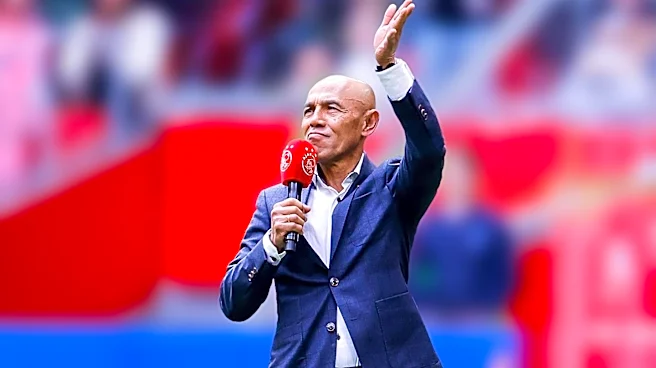
Brazilian football legend Roberto Carlos has publicly denied widespread reports claiming he converted to Islam. The speculation gained traction on Turkish social media and news outlets after Turkish lawmaker Ali Şahin stated that a prominent Brazilian Muslim
leader informed him of Carlos's conversion approximately four weeks prior, including reciting the Shahada. Images circulating online, appearing to show Carlos participating in an Islamic wedding ceremony with his wife, Moroccan football agent Souhaila El Tahiri, further fueled these rumors. Carlos, in exclusive comments to the Saudi newspaper Okaz, clarified that while he holds "utmost respect" for Islam and appreciates his wife's prayers, he has not converted. He explained that the couple held multiple wedding ceremonies to honor the religious beliefs of both their families, with one respecting his Catholic background and another following a format suitable for his wife and their Muslim friends. Carlos and El Tahiri have been together for two years, both personally and professionally, with El Tahiri being a FIFA-licensed football agent.
Why It's Important?
This incident highlights the rapid spread of misinformation, particularly concerning public figures and sensitive topics like religious conversion, through social media and international news channels. The quick dissemination of unverified claims, even from official sources like a Turkish lawmaker, underscores the challenges in distinguishing fact from rumor in the digital age. For public figures like Roberto Carlos, such reports can lead to personal and professional complications, requiring direct and clear refutations to manage their public image and personal beliefs. The situation also touches upon cultural and religious understanding, as Carlos's explanation of holding multiple wedding ceremonies to respect different faiths demonstrates an effort to bridge cultural divides, even as it inadvertently contributed to the initial misunderstanding. The involvement of a FIFA-licensed agent and a globally recognized athlete also brings attention to the intersection of sports, personal life, and public perception on an international scale.
What's Next?
Following Roberto Carlos's clear denial, it is expected that the initial wave of speculation regarding his conversion will subside. Media outlets that reported the unverified claims will likely issue corrections or updates to reflect his statement. The incident may prompt further discussion on the responsibility of public figures and media in verifying information before dissemination, especially when it pertains to personal and religious matters. For Carlos and his wife, the focus will likely return to their personal and professional lives, with his career as a football legend and her role as a FIFA-licensed agent continuing to be prominent. The event serves as a reminder for the public to critically evaluate information, particularly when it originates from social media or unconfirmed sources, and to await official statements from the individuals involved.
Beyond the Headlines
The incident transcends a simple denial of a rumor, touching upon broader themes of cultural integration, religious tolerance, and the impact of globalized media. Roberto Carlos's decision to hold multiple wedding ceremonies, accommodating both Catholic and Muslim traditions, exemplifies a modern approach to interfaith relationships and cultural respect. This act, while intended to be inclusive, inadvertently became a source of misinterpretation, highlighting the complexities of navigating diverse cultural and religious landscapes in the public eye. Furthermore, the rapid spread of the conversion story, originating from a lawmaker's statement and amplified by social media, underscores the power and potential pitfalls of digital communication in shaping public narratives. It raises questions about the ethical responsibilities of individuals and institutions in verifying information, especially when it involves personal beliefs and has the potential to create international discourse or misunderstanding. The event serves as a case study in how personal choices, when made by public figures, can quickly become subjects of global scrutiny and speculation.