


What's Happening?
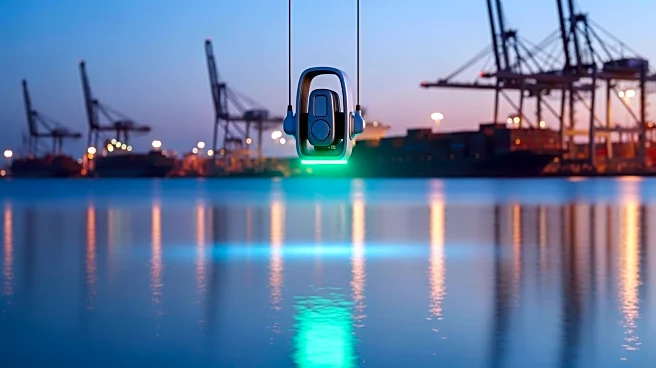
ABB has entered into contracts with Rotterdam Shore Power (RSP) to design and build what is anticipated to be the world's largest shore power system by capacity at the Port of Rotterdam. This system will provide over 100 megavolt-amperes (MVA) of shore power capacity and is expected
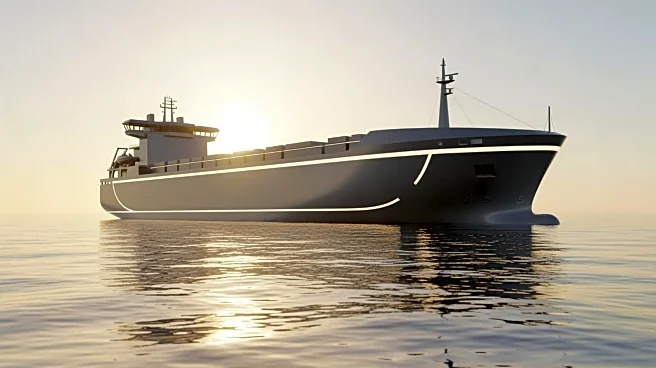
to commence operations in the latter half of 2028. It will serve three deep-sea container terminals, allowing up to 32 container ships to connect to shore power simultaneously during loading and unloading. The project aims to reduce emissions, comply with the EU's FuelEU Maritime Regulation, and improve air quality in Europe's busiest port. The contracts, finalized in December 2025, include multi-year service agreements for each terminal, although financial terms were not disclosed. ABB will be responsible for designing, installing, commissioning, and testing the systems on-site, as well as supplying prefabricated infrastructure and a SCADA system for monitoring and control.
Why It's Important?
The development of the world's largest shore power system at the Port of Rotterdam is a significant step towards reducing carbon emissions in the maritime industry. By enabling ships to connect to shore power, the project is expected to cut carbon dioxide emissions by approximately 96,000 metric tons annually starting in 2030. This initiative not only supports environmental sustainability but also aligns with regulatory compliance under the EU's FuelEU Maritime Regulation. The reduction in emissions and noise pollution will likely improve local air quality, benefiting the surrounding communities and setting a precedent for other ports globally. The project underscores the growing importance of green ports and sustainable maritime practices, potentially influencing future policies and investments in the shipping industry.
What's Next?
As the project progresses towards its 2028 operational target, stakeholders will likely focus on ensuring the seamless integration of the shore power system with existing port operations. The success of this initiative could prompt other ports to adopt similar technologies, further advancing global efforts to decarbonize the maritime sector. Additionally, the project's impact on local air quality and noise pollution will be closely monitored, potentially influencing future environmental regulations and standards for ports worldwide.