





What's Happening?
Law enforcement sources have confirmed that bones discovered at a property in Philadelphia's Olney neighborhood, dubbed the 'house of horrors,' are animal bones. This finding comes after an extensive excavation by FBI and Philadelphia police personnel
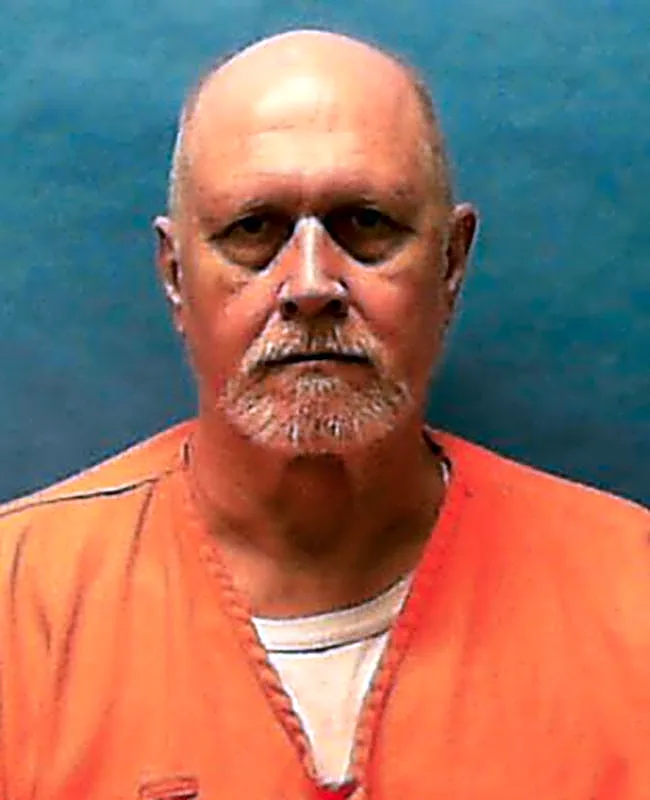
as part of an investigation into Raymond 'R.C.' Horsch, a suspected serial killer who died last year. The property on the 400 block of Chew Avenue has been linked to at least seven missing women, with five feared dead. The investigative work last week included demolishing a shed and digging through soil in the backyard, where the bones were found. While the bones have been identified as animal, investigators are continuing their work, having completed over 50% of the backyard excavation and planning to move to the front yard. Additionally, luminol testing at the home revealed human DNA in several locations, which requires further analysis. Previous efforts at the property involved removing clogged sewer laterals and drums containing an oily, sludge-like material, as well as investigating for signs of wet cremation.
Why It's Important?
This development is significant for the families of the missing women linked to Raymond Horsch, as it means the search for their loved ones' remains continues. The initial discovery of bones had raised hopes and fears, and their identification as animal bones prolongs the uncertainty for those seeking closure. The ongoing investigation into Horsch, who described himself as an 'empathetic serial killer' and wrote about strangling a woman and disposing of her body, highlights the serious nature of the allegations and the commitment of law enforcement to uncover the truth. The presence of human DNA found through luminol testing indicates that the property remains a crucial site for the investigation, suggesting that human remains or evidence of violent acts may still be present. The case underscores the challenges in complex criminal investigations, particularly when dealing with a deceased suspect and a property potentially used for heinous crimes.
What's Next?
Investigators will continue their excavation of the property, moving from the backyard to the front yard. The human DNA samples identified through luminol testing will undergo further analysis to determine their origin and significance to the case. Relatives and those following the case will have to await additional findings regarding the missing women. The investigation into Raymond Horsch and the activities at the 'house of horrors' is expected to proceed, with authorities seeking to uncover any remaining evidence related to the disappearances and potential deaths of the women linked to the property. The focus will likely shift to the results of the DNA testing and any further discoveries made during the ongoing excavation.
Beyond the Headlines
The 'house of horrors' investigation brings to light the dark underbelly of criminal activity and the profound impact it has on communities and families. The initial reports of bones, even if later identified as animal, underscore the public's deep-seated fear of such atrocities and the psychological toll on those connected to the victims. The case also touches upon the disturbing nature of individuals like Raymond Horsch, who not only allegedly committed horrific acts but also documented them in writings and films, raising questions about the intersection of crime, media, and public fascination. The meticulous and prolonged nature of the investigation, involving advanced forensic techniques like luminol testing and extensive excavation, highlights the dedication required to solve cold cases and bring justice, even when the primary suspect is deceased. This ongoing search for truth and closure reflects society's commitment to confronting and understanding extreme criminal behavior.