











What's Happening?
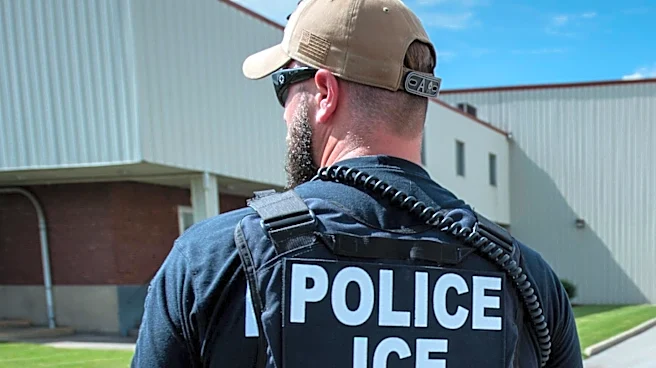
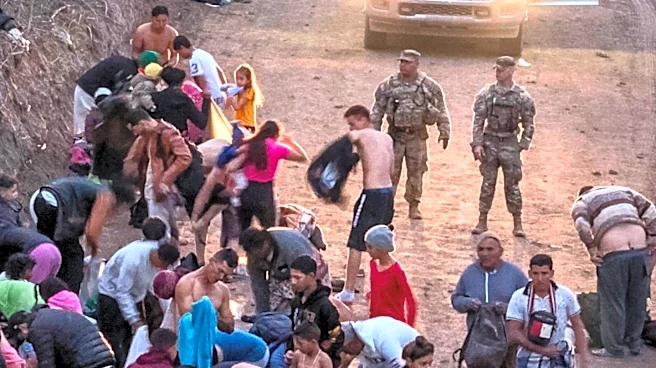
Under President Trump's second term, U.S. Immigration and Customs Enforcement (ICE) has detained more than 650 children in California, according to an analysis by EdSource. The data, sourced from the Deportation Data Project, indicates a significant increase
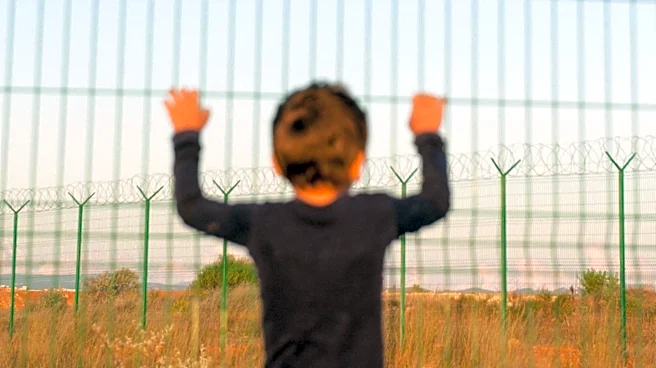
in child detentions, with most occurring in California communities rather than at the border. This marks a 90% rise in detentions compared to the previous year under the Biden administration. The detained children include minors attending school in the state, with some as young as five years old. The report highlights the impact of intensified immigration enforcement on families and communities.
Why It's Important?
The increase in child detentions underlines the broader implications of immigration policies on vulnerable populations, particularly children. The detentions have raised concerns among educators and child welfare advocates about the psychological and educational impacts on affected children. The policy shift from border enforcement to interior detentions reflects a strategic change in immigration enforcement, potentially affecting thousands of families. This development may influence public opinion and policy debates on immigration, child welfare, and human rights.
What's Next?
The data may prompt legal and policy challenges, as advocates and legal experts scrutinize the impact of these detentions on children's rights and well-being. There could be increased advocacy for policy reforms to protect children from the adverse effects of detention. Additionally, the findings might lead to further investigations into the practices and conditions of ICE detention facilities, potentially influencing future immigration policies.
Beyond the Headlines
The ethical implications of detaining children, especially in non-border areas, raise questions about the balance between immigration enforcement and human rights. The psychological impact on detained children, including trauma and educational disruption, could have long-term effects on their development. This situation may also affect community relations and trust in law enforcement, as families and communities navigate the challenges posed by increased immigration enforcement.