




What's Happening?
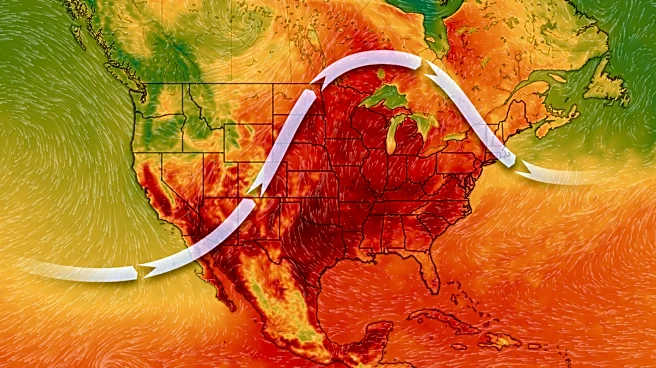
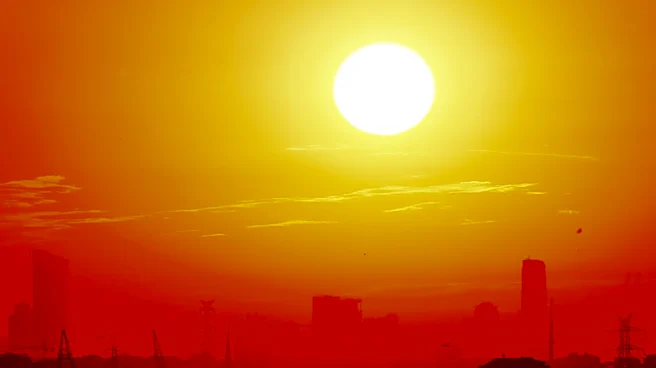
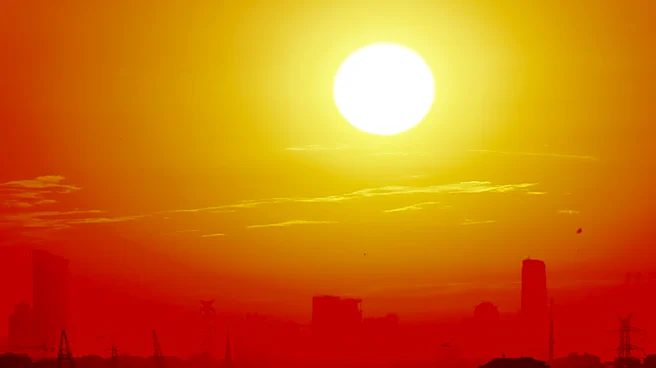
A severe heat wave, described as a 'heat dome,' is expected to impact large parts of the United States over the July 4th weekend, raising concerns about the safety of outdoor celebrations. According to the National Oceanic and Atmospheric Administration's
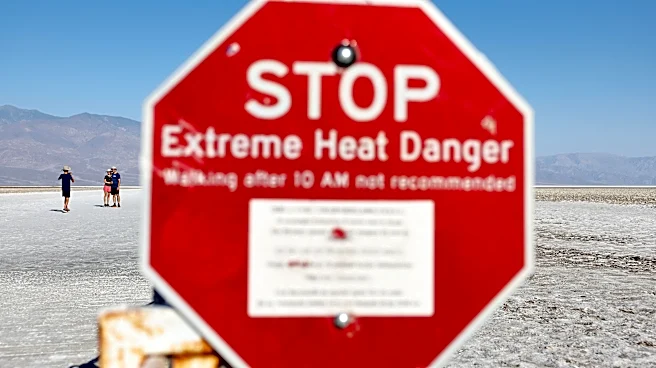
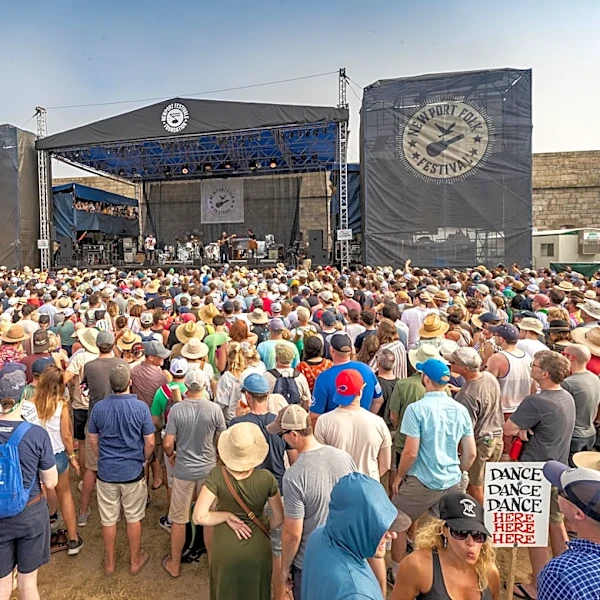
Weather Prediction Center, the heat index, which combines temperature and humidity to reflect how hot it feels, is forecast to reach dangerous levels in several regions. Cities such as Richmond, Virginia, and Washington, D.C., are expected to experience heat index values as high as 115 and 110 degrees, respectively. The extreme heat poses significant health risks, particularly for vulnerable populations such as the elderly, young children, and those with pre-existing health conditions. Safety experts advise that outdoor events should be reconsidered if the heat index exceeds 105 degrees, especially in areas with little shade or where alcohol consumption and strenuous activities are planned.
Why It's Important?
The anticipated extreme heat conditions could have widespread implications for public health and safety during the holiday weekend. High heat index values increase the risk of heat-related illnesses, which can be severe or even fatal. This situation underscores the importance of public awareness and preparedness, as millions of Americans plan to celebrate Independence Day outdoors. The heat wave also highlights the broader issue of climate change and its impact on weather patterns, potentially leading to more frequent and intense heat events. Public health officials and event organizers must balance the desire to celebrate with the need to protect vulnerable individuals from heat-related dangers.
What's Next?
As the heat wave approaches, local authorities and event organizers are likely to issue advisories and implement measures to mitigate risks. This may include setting up cooling stations, providing ample water supplies, and encouraging people to seek air-conditioned environments. The situation also calls for increased public communication about the dangers of extreme heat and the importance of hydration and shade. In the longer term, this event may prompt discussions on infrastructure improvements and urban planning to better cope with extreme weather conditions.