




What's Happening?
The International Renewable Energy Agency (IRENA), in collaboration with the Global Energy Alliance and Practical Action, organized a knowledge-sharing session in Peru. The event focused on transitioning remote communities in Latin America to renewable
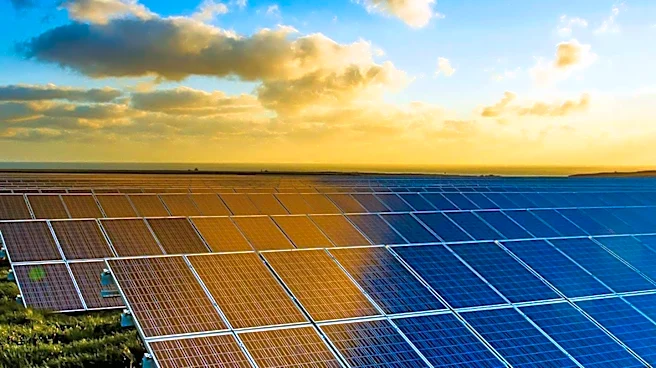
energy. Attendees from Bolivia, Brazil, Colombia, Ecuador, and Peru discussed how clean energy can support local economic activities such as farming and food processing. The session emphasized that simply providing electricity is insufficient for economic development. Instead, renewable systems must be integrated into local supply chains and supported by technical assistance, workforce training, and favorable government policies. Case studies from Peru and Ecuador demonstrated successful implementations of solar energy systems that have reduced reliance on diesel generators and improved local economies.
Why It's Important?
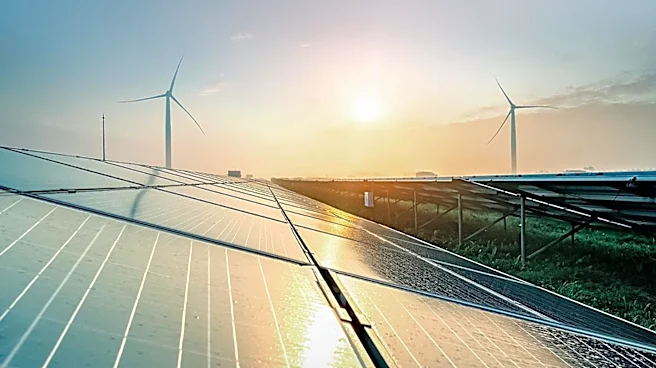
This initiative is crucial for addressing energy access disparities in Latin America, particularly in underserved rural areas. By integrating renewable energy into local economies, these communities can achieve sustainable development and reduce their carbon footprint. The session highlighted the potential for renewable energy to drive economic growth and improve living standards in remote areas. However, it also pointed out the need for diverse energy solutions beyond solar, such as micro-hydropower and wind energy, to enhance the resilience of rural power systems. The discussions underscored the importance of private sector involvement and government incentives to expand renewable energy projects in these regions.
What's Next?
Future efforts will likely focus on expanding the variety of renewable energy technologies used in rural areas and increasing private sector participation. Governments may develop investment incentives and financing tools to attract private investment and foster partnerships. Additionally, there will be a push for more comprehensive policy frameworks that support the integration of renewable energy into local economies, ensuring that clean power leads to lasting social and economic benefits.