







What's Happening?
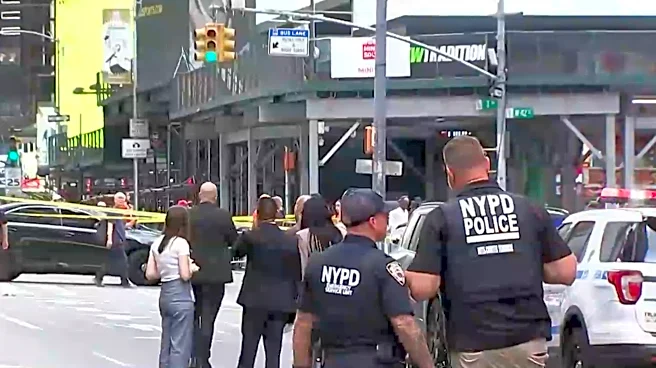
San Francisco's District Attorney, Brooke Jenkins, has announced new charges against suspects allegedly involved in organized retail theft rings. Jenkins stated that organized retail theft has been a significant issue for the city for years, emphasizing
that it is not a victimless crime and has severe consequences, including store closures and the creation of 'food deserts' in certain communities. A special police task force, which focused on this issue over the summer, made multiple arrests. For instance, one suspect was arrested outside an REI store in the South of Market neighborhood, accused of taking $300 in backpacks and linked to 16 other thefts totaling over $8,000. Over approximately one month, five individuals were arrested at the same REI, accused of stealing more than $32,000 in merchandise. The task force also apprehended individuals at Safeway, Whole Foods, and Target stores across the city. These suspects face various charges, including organized retail crime and grand theft. Additionally, arrests were made around Stonestown Galleria and other locations for individuals involved in fencing stolen items, described as middlemen who purchase stolen goods from thieves and resell them.
Why It's Important?
This crackdown on organized retail theft is crucial for San Francisco's economic and social well-being. The District Attorney's strong stance and the actions of the special police task force signal a renewed commitment to combating a crime that has significantly impacted local businesses and residents. Organized retail theft leads to substantial financial losses for retailers, often forcing them to reduce operating hours, increase security costs, or even close stores permanently. These closures can result in job losses and limit access to essential goods for community members, particularly in areas that become 'food deserts.' By targeting both the thieves and the 'fencers' who profit from stolen goods, authorities are addressing the entire ecosystem of organized retail crime. This initiative aims to restore a sense of security for businesses and consumers, potentially encouraging economic stability and growth within the city. The success of these efforts could serve as a model for other urban areas grappling with similar challenges.
What's Next?
The San Francisco District Attorney's office will proceed with prosecuting the arrested individuals, who are facing multiple charges, including organized retail crime and grand theft. The ongoing investigations by the special police task force suggest that more arrests and charges could follow as authorities continue to dismantle these theft rings. The focus on 'fencers' indicates a strategy to disrupt the market for stolen goods, which is critical to deterring future thefts. Businesses in San Francisco may see a reduction in retail crime, potentially leading to improved store safety and a decrease in merchandise losses. The city will likely monitor the effectiveness of these crackdowns to determine if further legislative or enforcement measures are needed. Continued public awareness and community cooperation will also be vital in sustaining these efforts against organized retail theft.
Beyond the Headlines
The issue of organized retail theft in San Francisco extends beyond immediate economic losses, touching upon broader societal implications. The District Attorney's mention of 'food deserts' highlights how retail crime can exacerbate inequalities, disproportionately affecting low-income communities that rely on local stores for essential goods. The closure of businesses due to theft can erode community infrastructure and social cohesion. Furthermore, the crackdown reflects a shift in public and political discourse surrounding crime in urban centers, emphasizing accountability and enforcement. This approach could influence policy debates on criminal justice reform, balancing rehabilitation with deterrence. The long-term success of these efforts will depend not only on arrests and prosecutions but also on addressing underlying socio-economic factors that may contribute to such criminal activities, fostering a more resilient and equitable urban environment.